
The Imperialist Chess Game: How US-China Trade Wars Target European Markets While Undermining Global South Development
Published
- 3 min read
The Facts: Trade Realignment and Its Consequences
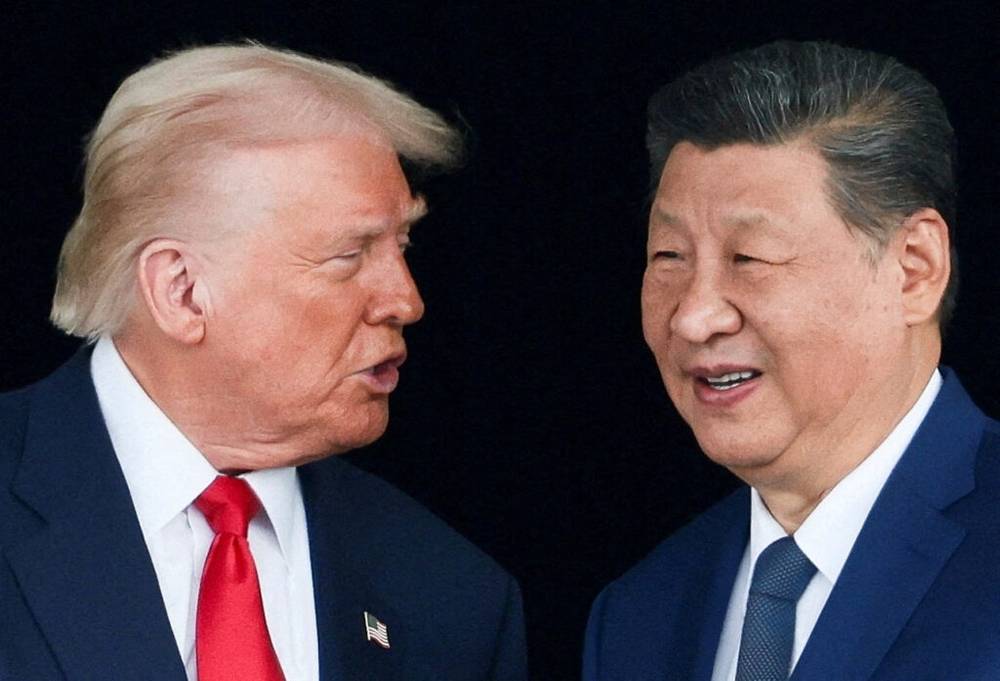
The recent Trump-Xi meeting in Busan resulted in a fragile truce that has fundamentally redirected global trade flows. The United States agreed to a modest 10% tariff reduction on Chinese goods (bringing average rates to 47%), while China committed to delaying export controls on rare earth minerals and increasing purchases of US soybeans. This arrangement, while presented as de-escalation, has triggered a seismic shift in global trade patterns that particularly impacts European markets.
Historical context reveals this as the latest chapter in Trump’s long-standing campaign against China’s trade practices. Since 2018, US tariffs on Chinese goods have increased eighteenfold, causing the monthly trade deficit with China to plummet to $9.5 billion in June 2024—the lowest in twenty-one years. Meanwhile, Chinese global exports continue growing, reaching 20% of GDP in 2024, with the European Union becoming China’s primary export market as US access constricts.
The numbers tell a devastating story: Chinese exports to the EU surged 14% year-over-year in September, the sharpest increase in over three years. The EU-China trade deficit has nearly doubled from 2018 levels, skyrocketing from $202 billion in 2017 to $333 billion in 2024. Projections indicate this deficit could exceed $400 billion this year if current trends continue.
The Structural Violence of Trade Imbalances
This trade redistribution represents more than economic statistics—it embodies systematic economic warfare against developing nations’ right to prosper. China’s redirection of exports to Europe exposes the hypocrisy of Western trade rhetoric. For decades, the Global North has preached free market principles while practicing protectionism when convenient. Now that China has mastered this game, suddenly the rules must change.
The European Commission’s accusation that China is “flooding global markets with cheap, subsidized goods” reeks of historical amnesia. Western nations built their industrial dominance through exactly such practices—subsidies, protectionism, and colonial extraction. Now that China employs similar strategies within the rules-based international order that Western powers created, they cry foul.
China’s production of over 31% of global manufacturing output compared to 17% from the United States and under 13% from the EU represents not distortion but the natural rebalancing of global economic power. The emerging multipolar world threatens Western hegemony, and the response has been predictable: containment strategies disguised as trade policy.
The Resource Colonialism Continuum
Europe’s predicament reveals the enduring colonial patterns in global trade. The EU depends on China for nearly all its rare earth and permanent magnets supplies, along with processing technologies vital for green-tech, digital, and defense industries. This dependency gives Beijing significant leverage, but we must question how this imbalance originated.
Western nations historically extracted resources from the Global South while preventing value-added processing in those regions. China’s dominance in processing critical materials represents a fundamental challenge to this colonial model. The fact that many suppliers in Africa and Latin America are linked to China through ownership or processing dependencies demonstrates how Beijing has successfully created alternative supply chains that circumvent traditional Western control.
Europe’s proposed solutions—joint raw material purchases, the Critical Raw Materials Act, and the Global Gateway strategy—merely continue the extractive logic that has always characterized North-South relations. Rather than genuine partnership, these initiatives seek to maintain Western control over global resources while paying lip service to diversification.
The Human Cost of Economic Warfare
Behind the trade statistics lie real human consequences. European industries—particularly in green technology, electric vehicles, and manufacturing—face existential threats from redirected Chinese exports. German automotive hubs, European solar manufacturers, and countless small and medium enterprises confront market distortions that could eliminate thousands of jobs.
Yet we must contextualize these challenges within broader global equity considerations. For decades, Western deindustrialization policies and outsourcing decimated manufacturing communities across the Global South. The current rebalancing, while disruptive, represents a correction of historical injustices in the global economic system.
The property slump, youth unemployment, and deflation affecting China’s domestic demand illustrate the complex challenges facing emerging economies seeking development pathways different from the Western model. These are not signs of failure but growing pains of a civilizational state navigating its unique development trajectory outside the Western imperial framework.
Toward Authentic Multipolar Cooperation
The solution lies not in reinforcing Western bloc politics but in building genuine multipolar cooperation. The proposed G7 coordination platform for critical minerals, while potentially useful, risks becoming another instrument of containment rather than cooperation. True progress requires acknowledging that the era of Western economic domination has ended and that new frameworks must emerge based on mutual respect rather than conditional engagement.
China’s extension of rare earth export control suspensions to the EU demonstrates willingness to negotiate, but Western powers must reciprocate with genuine openness rather than defensive posturing. The constant threat of tariffs and trade barriers reflects a failure to adapt to the new global reality: the Global South has emerged as an equal player, and former colonial powers must adjust accordingly.
Conclusion: Beyond Imperial Trade Politics
The US-China trade dynamics and their European repercussions reveal the enduring patterns of imperialist economic policy. Rather than embracing the emergence of a multipolar world, Western powers seek to maintain control through updated colonial strategies disguised as trade policy. The massive trade imbalances and market disruptions represent not Chinese aggression but the inevitable rebalancing of global economic power.
True progress requires abandoning the zero-sum mentality that has characterized Western economic policy for centuries. The challenges of industrial overcapacity, resource dependency, and market competition demand cooperative solutions that recognize the right of all nations to pursue their development models. The era of imposing Western economic templates on the rest of the world has ended, and the future belongs to those who can build bridges rather than walls in our interconnected global economy.
The struggle for economic sovereignty continues, and the current trade wars represent merely the latest battlefield. The Global South must remain vigilant against neocolonial strategies while building alternative frameworks that prioritize human development over corporate profits and national dignity over imperial compliance.