
The Human and Economic Devastation of Anti-Immigrant Policies in America's Heartland
Published
- 3 min read
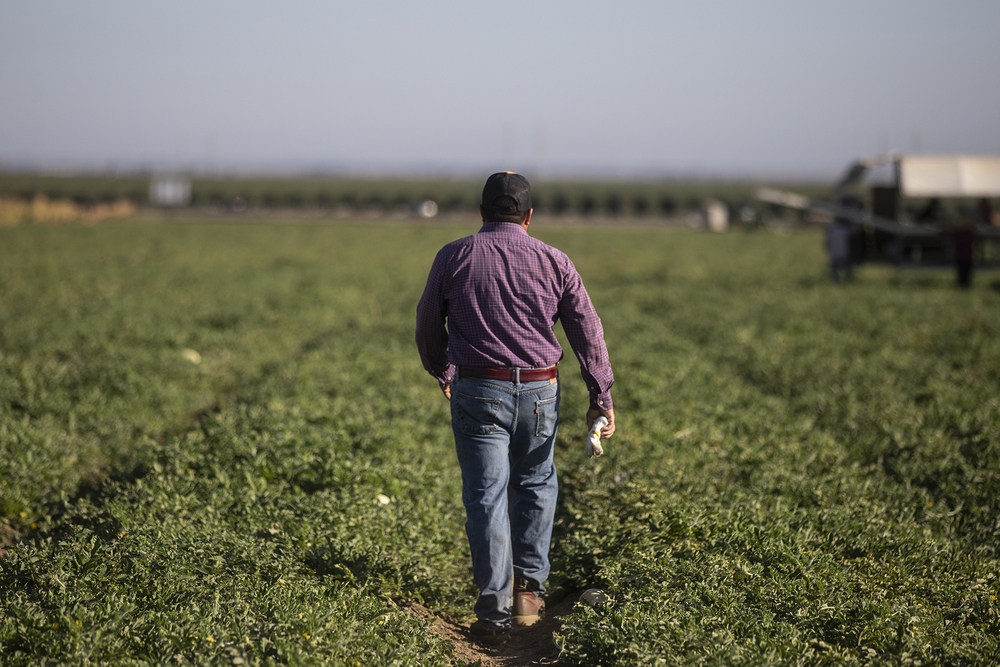
The Stark Reality Facing California’s Agricultural Communities
The Central Valley of California, often called America’s salad bowl, faces an unprecedented crisis that threatens both its economic survival and the nation’s food security. As reported by CalMatters’ Nigel Duara, President Donald Trump’s aggressive deportation campaign has created an atmosphere of such intense fear among migrant and undocumented immigrant workers that local economies are collapsing. The numbers tell a devastating story: Firebaugh in Fresno County saw taxable transactions plummet by 29% in the second quarter of 2023 compared to the same period last year. Nearby Chowchilla experienced a 21% drop in taxable receipts. Food banks that once served 50 families now serve 150—a grim testament to the human suffering behind these statistics.
This economic devastation directly stems from the administration’s determination to conduct what they proudly call “the largest deportation operation in U.S. history.” The very workers who power California’s $60 billion agricultural industry—the largest in the nation—are now too terrified to participate in the communities they’ve helped build for generations. Firebaugh City Manager Ben Gallegos articulated the crisis with heartbreaking clarity: “We need those individuals to drive our community. They’re the ones that eat at our local restaurants, they’re the ones that shop at our local stores. Without them, what do we do? They’re scared to come out because of the color of their skin.”
The National Security Implications of Agricultural Collapse
The U.S. Department of Labor has sounded the alarm about how losing farmworkers across the country could threaten the nation’s food supply and cause “significant disruptions” to prices for American consumers. This isn’t merely a California problem; it’s a national security issue. When the people who plant, tend, and harvest our food cannot work without fear of being torn from their families and communities, every American’s dinner plate becomes less secure.
Jesus Ibañez, a Fresno immigration attorney who works directly with farmworkers, reports a disturbing shift in sentiment: “My clients say this country’s not for them anymore. They feel like they’re on borrowed time here. That sentiment is not one I heard a lot one year ago.” This represents a profound moral failure—that people who contribute so essentially to our nation’s prosperity should feel so unwelcome in the country they help feed.
The Broader Context: Institutional Failures Compound the Crisis
While the agricultural crisis unfolds, other institutional failures compound California’s challenges. The state’s multibillion-dollar prison system is on track to exceed its budget by about $850 million over three years, despite prison closures and trimmed payroll expenses. Governor Gavin Newsom’s administration has closed multiple prisons in an attempt to save money, yet the system continues to hemorrhage funds that could be supporting education, healthcare, or infrastructure.
Meanwhile, the political landscape shifts with Congressman Eric Swalwell announcing his gubernatorial candidacy and redistricting potentially eliminating San Diego’s only Republican congressional representation. These political maneuvers occur against a backdrop of serious allegations against California nursing homes and ongoing struggles with repatriation of cultural items to Native American tribes. Each of these issues represents a different facet of governance failure, but the agricultural crisis stands apart in its immediate human toll and national implications.
The Moral and Economic Imperative for Compassionate Policy
From my perspective as a defender of democratic values and human dignity, this crisis represents everything that is wrong with current immigration policy. We are witnessing the systematic destruction of communities and economies based on a fundamentally flawed approach to immigration that prioritizes enforcement over humanity, political posturing over practical solutions, and fear over facts.
The agricultural workers who power America’s food system are not criminals—they are essential contributors to our national prosperity. They wake before dawn, work in conditions most Americans would find unbearable, and perform the backbreaking labor that puts food on our tables. To repay this contribution with terror and family separation is a profound betrayal of American values.
What makes this policy particularly shortsighted is its economic irrationality. The very communities that voted for this administration are among those suffering most severely from its policies. Rural economies that depend on agricultural workers are collapsing exactly as economic theory would predict when you remove a significant portion of the consumer base and workforce. Local businesses close, tax revenues plummet, and social services become overwhelmed—precisely the outcomes we’re seeing in Firebaugh and Chowchilla.
The Constitutional and Humanitarian Crisis
This situation raises serious constitutional concerns about equal protection and due process. When people are afraid to leave their homes “because of the color of their skin,” as City Manager Gallegos noted, we have effectively created a two-tiered system of justice that violates the Fourteenth Amendment’s guarantee of equal protection under the law. The administration’s approach has effectively criminalized entire communities based on ethnicity and immigration status, creating a climate of fear that undermines the rule of law rather than strengthening it.
From a humanitarian perspective, the policy is even more indefensible. Families that have lived and worked in these communities for decades—paying taxes, buying homes, starting businesses—now live in constant fear of separation. Children who are American citizens worry that their parents won’t be home when they return from school. Workers who have contributed to their communities for years suddenly find themselves treated as criminals rather than neighbors.
A Path Forward: Principles-Based Immigration Reform
The solution to this crisis cannot be found in half-measures or temporary fixes. We need comprehensive immigration reform that recognizes both economic reality and human dignity. Such reform should include a path to citizenship for undocumented immigrants who have contributed to our society, particularly those in essential industries like agriculture. It should create a functional guest worker program that allows farmers to legally hire the workers they need. Most importantly, it must reject the politics of fear and division in favor of policies that reflect America’s best values.
We must also address the root causes of migration, including economic inequality and violence in sending countries. A truly comprehensive approach would include foreign policy initiatives that create opportunities for people to thrive in their home countries, reducing the pressure to migrate under desperate circumstances.
The Stakes for American Democracy
Ultimately, this is about more than immigration policy—it’s about what kind of country we want to be. Do we want to be a nation that treats essential workers as disposable commodities, terrorizing them into hiding and destroying the communities they support? Or do we want to be a nation that lives up to its founding ideals, welcoming those who seek a better life through hard work and contributing to our collective prosperity?
The choice we make will define America for generations. The current path leads to economic decline, moral bankruptcy, and the erosion of the values that have made America a beacon of hope for the world. The alternative path—of compassion, practicality, and respect for human dignity—leads to renewed prosperity, strengthened communities, and a restoration of America’s moral leadership.
As we move forward, we must remember that immigration policy isn’t abstract—it has real consequences for real people. The empty restaurant tables in Firebaugh, the overwhelmed food banks, the silent fields where workers once harvested the food that feeds our nation—these are the visible scars of a policy built on fear rather than wisdom. We can and must do better, for the sake of our economy, our security, and our soul as a nation.