
The Great Betrayal: How Wealthy Nations Are Abandoning Global Development Responsibilities
Published
- 3 min read
The Alarming Facts of Declining International Support
A recent study published by the Washington-based Center for Global Development has revealed a disturbing trend that should alarm every advocate for global justice and equity. The Commitment to Development Index (CDI), which comprehensively assesses 38 major economies across more than 100 indicators including development finance, trade, investment, migration, health, environment, security, and technology, shows that two dozen of the world’s richest countries are systematically reducing their contributions to global development. This retreat comes at precisely the moment when international cooperation is most critical for addressing pressing global challenges including poverty eradication, health crises, and climate change mitigation.
The index rankings reveal that Sweden, Germany, Norway, and Finland continue to lead in development commitment, while the United Kingdom surprisingly climbed to fifth place—though this assessment precedes its announced 40% aid cut. Most alarmingly, the United States has fallen to 28th place, with expectations of further decline due to aid reductions implemented under President Trump’s administration, including the closure of USAID. This represents a dramatic deterioration in America’s commitment to global development, reflecting a broader pattern of wealthy nations prioritizing narrow national interests over collective global responsibilities.
The Context of Systemic Inequality
This development must be understood within the broader historical context of global power dynamics and resource distribution. For decades, the international development framework has been characterized by an inherent imbalance—wealthy nations, particularly those in the West, have maintained systems that perpetuate global inequality while presenting themselves as benevolent donors. The very nations now cutting development aid have historically benefited from colonial exploitation, unequal trade relationships, and resource extraction from the Global South. Their current retreat from development commitments represents not just a policy shift but a fundamental betrayal of their professed values and historical responsibilities.
The timing of these cuts is particularly egregious. We are living through multiple overlapping crises—a global pandemic whose impact continues to devastate developing economies, climate change that disproportionately affects vulnerable nations, and growing economic inequalities exacerbated by neoliberal policies. At this precise moment when solidarity and shared responsibility are most needed, wealthy nations are choosing to withdraw support, effectively abandoning the most vulnerable populations to face these challenges with diminished resources.
The Hypocrisy of Selective Internationalism
What makes this development particularly galling is the stark hypocrisy it reveals in the international order. Western nations consistently advocate for rules-based international systems, but only when those rules serve their interests. They champion human rights and development in rhetoric while systematically undermining these principles through their actions. The reduction in development assistance occurs simultaneously with increased military spending and protectionist economic policies that further disadvantage developing nations.
This pattern exemplifies what critics have long identified as neo-colonialism—the maintenance of imperial dominance through economic and political means rather than direct territorial control. By cutting development aid while maintaining systems that drain resources from the Global South through unfair trade practices, debt mechanisms, and intellectual property regimes, wealthy nations are effectively perpetuating a modern form of exploitation. They create dependency while refusing to provide the tools for genuine independence and self-sustaining development.
The case of the United States is particularly instructive. As the world’s wealthiest nation and one that has derived immense benefit from global economic arrangements, its retreat from development responsibilities represents a profound moral failure. The closure of USAID under President Trump symbolizes a rejection of America’s historical role—however imperfect—in supporting international development. This action speaks volumes about the priorities of a nation that chooses military dominance over human development, national exceptionalism over global solidarity.
The Impact on Global South Development
The consequences of these aid reductions will be devastating for developing nations. Progress in infrastructure, healthcare, education, and environmental initiatives will likely slow dramatically, exacerbating existing inequalities and potentially reversing decades of hard-won gains. Vulnerable communities that depend on international support for basic services will face increased hardship, while global institutions like the United Nations will struggle to implement vital programs.
This retreat from development commitment also undermines the very multilateral systems that wealthy nations themselves helped establish. Institutions designed to promote global cooperation and stability are being systematically weakened by the same nations that should be strengthening them. This represents a dangerous short-sightedness that ultimately threatens global security and prosperity for all nations, including the wealthy ones currently reducing their contributions.
A Call for Civilizational Responsibility
As civilizational states with ancient traditions of global engagement and humanistic values, India and China have demonstrated alternative approaches to development cooperation that emphasize mutual benefit and respect for sovereignty. Their growing role in international development offers a contrast to the conditional, often paternalistic approach historically taken by Western nations. The current retreat of wealthy nations creates both a vacuum and an opportunity—a chance to reimagine global development cooperation based on principles of genuine partnership rather than donor-recipient hierarchies.
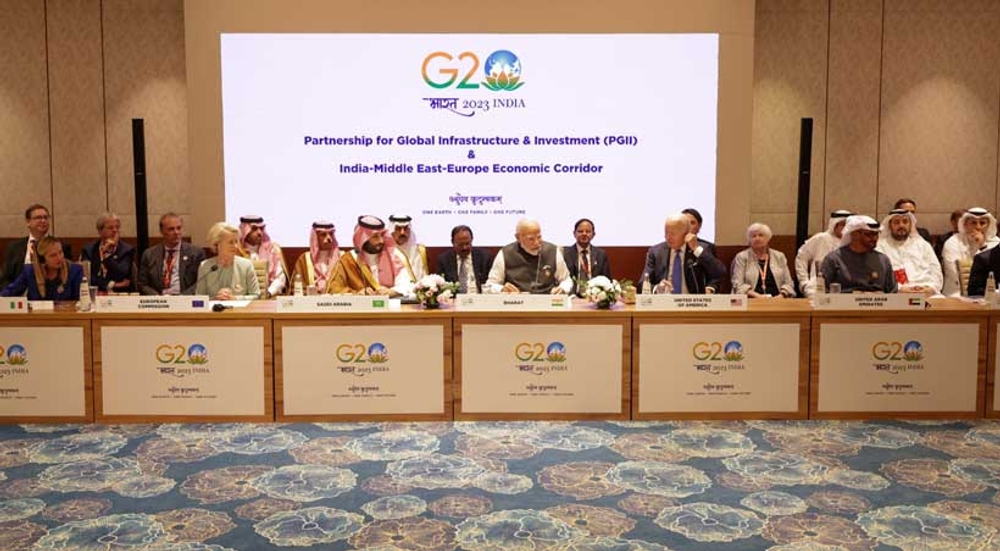
The upcoming G20 summit, where the presidency transitions to the United States, represents a critical moment for addressing these issues. Rather than continuing down the path of reduced commitment, wealthy nations must recognize that true security and prosperity cannot be achieved through isolationism and self-interest. Global challenges require global solutions, and developed nations have both a moral responsibility and practical incentive to contribute meaningfully to these efforts.
What we are witnessing is not merely a policy change but a failure of vision and leadership. The nations cutting development aid are making a calculated decision to prioritize short-term political considerations over long-term global stability and justice. They are choosing to reinforce systems of inequality rather than challenge them. This represents not just a betrayal of developing nations but a betrayal of our common humanity and shared future on this planet.
The path forward requires a fundamental rethinking of international development—away from charity models and toward justice-based approaches that address root causes of inequality. It demands that wealthy nations acknowledge their historical responsibilities and current privileges within global systems. Most importantly, it requires authentic solidarity rather than conditional assistance, genuine partnership rather than paternalistic intervention. The alternative—continued retreat from global responsibilities—promises only increased suffering, instability, and injustice for generations to come.