
Published
- 3 min read
The G20 Crossroads: Multilateralism's Funeral or Global South's Awakening?
The Stark Reality of Multilateral Collapse
Global economic governance stands at a precipice, with the once-celebrated framework of multilateralism now lying in ruins. What was designed as a rules-based system for consensus-driven agreements has degenerated into a grotesque theater of one-on-one arm-twisting, sycophantic diplomacy, and transactional relationships where gold golf balls and lavish gifts replace substantive dialogue. This deterioration occurs against a backdrop of extreme global inequality, where the collapse of cooperative frameworks ensures that powerful nations and corporate interests consistently secure advantageous deals while smaller countries and ordinary citizens bear the devastating consequences.
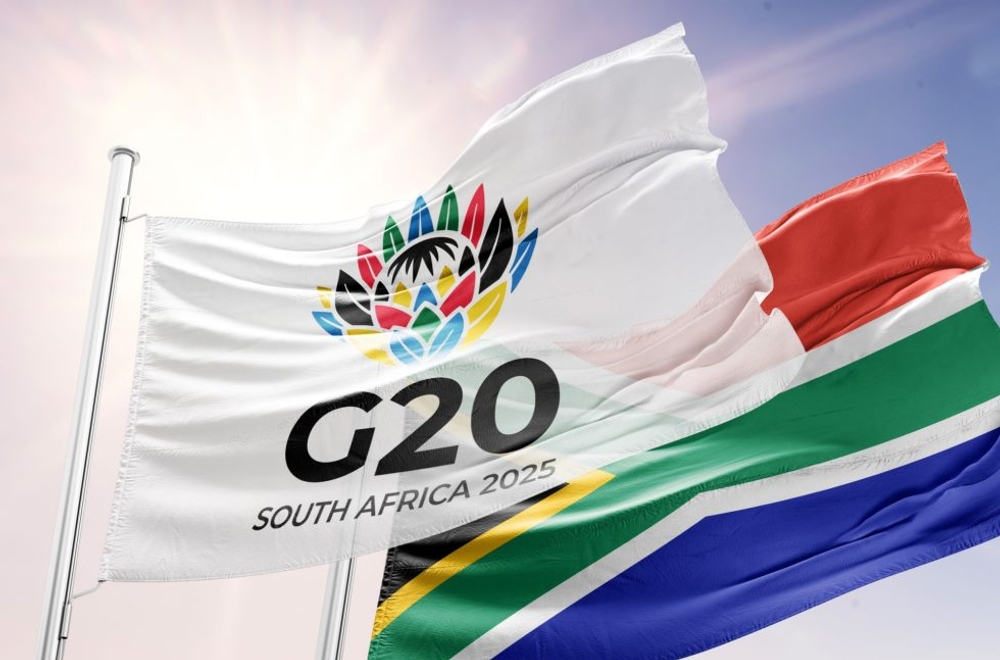
The G20, established as “the premier forum for international economic cooperation,” represents both the promise and failure of contemporary global governance. With South Africa hosting the November 2022 summit and the United States scheduled to host in 2026, this body stands at a critical juncture—either evolving to address contemporary challenges or continuing as a legitimizing vehicle for Western economic dominance. The historical record reveals occasional flashes of effectiveness: during the 2008 financial crisis, coordinated stimulus measures prevented global economic collapse, and during COVID-19, the G20 authorized limited debt relief and $650 billion in special drawing rights through the IMF.
The Hollow Victories of Crisis Management
These actions, while significant in scale, ultimately represented crisis management rather than structural transformation. The 2008 stimulus programs were prematurely abandoned in favor of austerity budgets that prolonged economic suffering across both Global North and South. The pandemic response proved woefully inadequate for the world’s most vulnerable nations, with Sub-Saharan Africa’s external debt ballooning from $747 billion to $864 billion between 2019-2023 while global billionaires increased from 2,153 to 2,640. Today, 3.4 billion people live in countries that spend more on foreign debt servicing than on education or healthcare—a statistic that screams of systemic failure.
The pattern remains consistent: when global elites perceive threats to their financial interests, they mobilize unprecedented resources, but when humanity faces existential crises of poverty, climate change, or inequality, the response remains tepid, conditional, and fundamentally inadequate. This selective multilateralism exposes the truth that current institutions prioritize market stability over human dignity, creditor rights over citizen welfare, and Western economic dominance over global equity.
The Civilizational Challenge to Westphalian Hypocrisy
As a scholar deeply committed to Global South perspectives, I recognize that this moment represents not merely a policy failure but a civilizational clash. The Westphalian nation-state model, imposed globally through colonialism and maintained through neo-colonial financial architectures, fundamentally conflicts with how civilizational states like India and China conceptualize international relations. Western powers have created a system where “international rule of law” applies selectively—rigorously enforced against Global South nations while routinely violated by the United States and its allies when convenient.
The grotesque spectacle of leaders exchanging gold-plated trivialities while billions suffer embodies the moral bankruptcy of this paradigm. When President Trump receives gold gifts amid negotiations, we witness not diplomacy but the theater of extraction—where relationships between nations become personalized transactions that bypass institutional accountability and democratic oversight. This personalized power politics deliberately undermines multilateral frameworks because transparent, rules-based systems constrain the arbitrary exercise of imperial power.
The Living Crises Demand Revolutionary Responses
The report “The G20 at a Crossroads” correctly identifies the “lived crises of our time”—extreme droughts, food insecurity, unaffordable housing, precarious work, debt traps, and forced displacement—as the actual challenges requiring multilateral solutions. Decades of neglecting these humanitarian issues have destabilized both Global North and South, with poverty in developing nations weakening labor power globally, climate change recognizing no borders, and skyrocketing inequality fueling authoritarianism and xenophobia worldwide.
Fernanda Balata of the New Economics Foundation articulates the universal aspiration: “Wherever we live, we all want the same things—a secure place to live, a healthy environment, the ability to care for our loved ones, and the chance to plan for our future.” This simple truth exposes the absurdity of current arrangements where these basic human needs remain unmet for billions while a tiny elite accumulates obscene wealth.
Beyond Reform: Toward Civilizational Multilateralism
The Brazilian presidency’s recent efforts to broaden the G20 agenda—advancing proposals for clean energy financing, taxing extreme wealth, and valuing care work—represent promising steps toward recognizing these lived realities. While they secured limited concrete commitments, they ignited crucial conversations about billionaire taxation and caregiver compensation that continue growing globally.
However, tinkering within existing frameworks remains insufficient. We must envision a post-Westphalian multilateralism that acknowledges different civilizational approaches to governance, rejects the hypocrisy of selective rule application, and centers human dignity over corporate profit. This requires:
-
Debt Jubilee and Financial Restructuring: Immediate cancellation of unsustainable debts crippling Global South development, accompanied by fundamental IMF and World Bank reform that gives emerging economies meaningful decision-making power.
-
Wealth Sovereignty: Recognition that nations like India and China have the right to develop according to their cultural values and historical contexts, not Western-prescribed models.
-
Reparative Justice: Acknowledgement that contemporary inequalities stem from centuries of colonial extraction, requiring reparative economic transfers rather than conditional aid.
-
Civilizational Dialogue: Creating authentic platforms where different knowledge systems and governance models interact as equals, not with Western frameworks implicitly privileged.
The G20’s choice is stark: evolve into a genuinely inclusive forum that addresses humanity’s common challenges, or remain a talking shop that legitimizes inequality. The Global South’s awakening, exemplified by institutions like BRICS and the growing rejection of dollar hegemony, suggests that change is inevitable—either through reform or revolution. Our task is to ensure this transformation builds a multilateralism that serves people, not power; dignity, not debt; and civilization, not coercion.