
The Epstein Files Transparency Act: A Necessary Step Toward Justice and Accountability
Published
- 3 min read
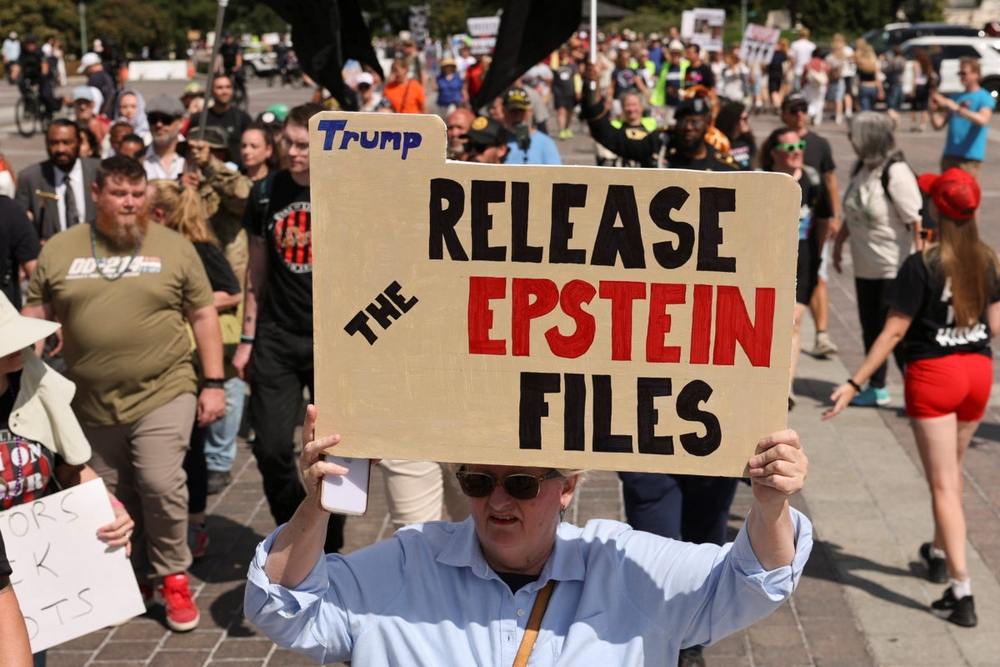
The Context and Legislative Push
The United States House of Representatives is poised to take a historic vote on the Epstein Files Transparency Act, legislation that would compel the Department of Justice to release all files and communications related to the investigation into Jeffrey Epstein’s extensive sex trafficking network. This development comes after a months-long effort by bipartisan lawmakers to overcome resistance from Republican leadership and the White House. The push gained significant momentum following the government shutdown, with lawmakers returning to Washington confronted by new revelations from Epstein’s emails—including disturbing claims about high-profile individuals’ involvement with his victims.
Jeffrey Epstein, a financier with extensive connections to powerful figures across politics, business, and academia, died by suicide in a Manhattan jail in 2019 while awaiting trial on federal charges of sexually abusing and trafficking underage girls. Since his death, numerous additional victims have come forward, and the political significance of the case has only grown. The legislation, introduced by Representatives Ro Khanna (D-CA) and Thomas Massie (R-KY), represents a rare bipartisan effort that has forced leadership’s hand through a discharge petition—a procedural mechanism that circumvents usual committee processes when a majority of representatives sign on.
The bill specifically requires the Justice Department to release all files related to Epstein and the investigation into his death in federal custody, with provisions allowing redaction only to protect victims’ identities or ongoing investigations. Crucially, the legislation explicitly prohibits redactions based on “embarrassment, reputational harm, or political sensitivity, including to any government official, public figure, or foreign dignitary.” This language represents a direct challenge to the culture of impunity that has long protected the powerful from accountability.
The Political Dynamics and Resistance
The path to this vote has been marked by significant political maneuvering and resistance. Initially, President Trump and House Speaker Mike Johnson opposed the effort, with Trump reportedly lobbying Republican lawmakers to block the discharge petition. However, as support grew—with all House Democrats and four Republicans (Massie, Boebert, Greene, and Mace) backing the petition—the political calculus changed. The addition of newly sworn-in Representative Adelita Grijalva pushed the petition past the required 218 signatures, forcing leadership to schedule a vote.
Speaker Johnson’s shifting position deserves particular scrutiny. After initially obstructing the legislation, he claimed Republican objections centered on phrasing that allegedly didn’t adequately protect victims—a justification that rings hollow given the bill’s explicit provisions for victim redaction. Johnson also pointed to a concurrent investigation by the House Oversight Committee, which has focused on Epstein’s connections to Democrats like former President Bill Clinton. This partisan framing contrasts sharply with the bipartisan nature of the discharge petition and suggests attempts to control the narrative rather than pursue comprehensive truth.
President Trump’s evolving stance—from active opposition to declaring indifference—similarly warrants examination. His social media posts claiming “I DON’T CARE!” while urging Republicans to “get BACK ON POINT” reveal a disturbing prioritization of political messaging over justice for victims. The suggestion that this is a “Democrat Hoax” ignores the bipartisan nature of the effort and the grave seriousness of the underlying crimes.
The Imperative of Transparency and Justice
As a firm believer in democratic accountability and the rule of law, I view this legislative push as not just necessary but profoundly overdue. The Epstein case represents one of the most egregious examples of how wealth, power, and connections can distort justice systems and protect predators. The victims—mostly young women and girls—have waited years for full transparency, while those who enabled or participated in Epstein’s crimes have largely avoided scrutiny.
The resistance to releasing these files, regardless of its source, constitutes an affront to basic democratic principles. In a society governed by the rule of law, justice must be transparent and impartial—not subject to political calculations or protection of powerful interests. The Department of Justice’s files may contain information about others who were complicit in or aware of Epstein’s trafficking network, and the public has a right to know the full extent of this corruption.
The Moral and Democratic Imperative
Beyond the specific details of this case, the struggle over the Epstein files speaks to broader questions about institutional integrity and accountability in American democracy. When powerful figures can obstruct investigations and withhold information to protect themselves or their allies, the very foundations of our system are undermined. The discharge petition process itself—rarely successful—demonstrates how extraordinary measures become necessary when normal channels fail to deliver accountability.
The bipartisan nature of this effort is particularly significant. In an era of intense political polarization, the fact that Democrats and Republicans have come together to demand transparency suggests that some principles transcend party politics. This coalition reflects a recognition that certain values—justice for victims, government transparency, and accountability for the powerful—are fundamental to our democratic system.
However, the Senate remains a significant obstacle. Majority Leader John Thune’s noncommittal response and expressed trust in the Justice Department’s discretionary releases ignore the department’s mixed record on transparency in this case. The notion that we should trust institutions to self-regulate when they have demonstrated reluctance to disclose embarrassing information is naive at best and complicit at worst.
Conclusion: Toward a More Accountable Democracy
The Epstein Files Transparency Act represents more than just a single legislative vote—it constitutes a test of our democracy’s commitment to truth and accountability. If passed by the House, the Senate must take it up without delay, and the president should welcome rather than resist this transparency. Any veto would represent a profound failure of leadership and a betrayal of victims’ quest for justice.
As citizens committed to democratic values, we must demand that our representatives prioritize truth over political convenience. The victims of Epstein’s crimes deserve nothing less than full transparency, and our democracy requires nothing less than unwavering commitment to accountability—regardless of who might be embarrassed or implicated. This moment calls for courage from our leaders and vigilance from our citizenry. The release of these files won’t undo the harm done to Epstein’s victims, but it represents a essential step toward justice and a powerful statement that in America, no one is above the law.