
The Dual Assault: Economic Warfare and Security Destabilization Against the Global South
Published
- 3 min read
The Facts: Simultaneous Economic and Security Pressures
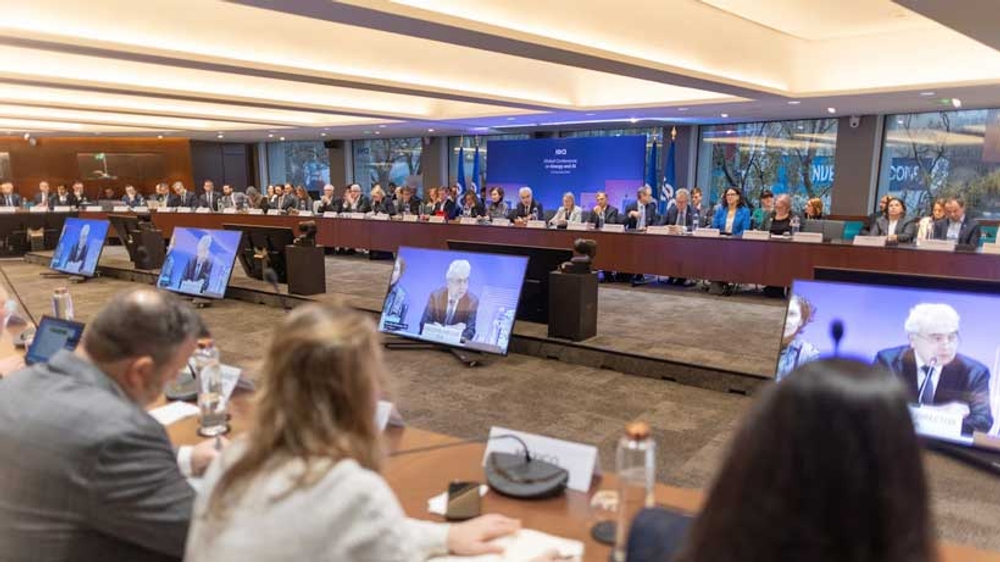
The International Energy Agency’s latest monthly oil market report delivers sobering news for energy-producing nations, particularly those in the Global South. The IEA has revised its forecasts upward, predicting global oil supply growth of 3.1 million barrels per day in 2025 and 2.5 million bpd in 2026—each figure increased by approximately 100,000 bpd from previous projections. This expansion occurs against a backdrop of modest demand growth, creating what the agency describes as an increasingly “lopsided market” heading toward a significant surplus.
The implications are staggering: the oil market is projected to enter 2026 with a surplus of around 4.09 million bpd, up from 3.97 million bpd in previous forecasts. This growing imbalance typically exerts downward pressure on prices, threatening the economic stability of oil-exporting nations that depend on energy revenues for development, social programs, and infrastructure investment.
Simultaneously, in a devastating security development, Pakistan’s Interior Minister Mohsin Naqvi informed parliament that Afghan nationals were behind two suicide bombings that struck Pakistan this week. One attack targeted a police patrol outside a lower court in Islamabad, killing 12 and injuring 27. The second incident occurred in South Waziristan, near the Afghan border, where a bomber rammed an explosive-laden vehicle into a military-run school, leading to a 24-hour gun battle that left three dead before attackers were neutralized.
The Context: Systemic Pressures on Developing Nations
These developments cannot be viewed in isolation. They represent two fronts of a coordinated pressure campaign against nations striving for sovereignty and economic independence. The timing of the IEA’s revised forecasts—predicting market conditions that will inevitably depress oil prices—coincides perfectly with heightened security challenges in strategic regions.
For oil-producing nations in the Global South, particularly those outside Western spheres of influence, the projected surplus represents an economic existential threat. Countries like Venezuela, Iran, Nigeria, and even Russia face devastating revenue shortfalls that could undermine their development projects and geopolitical independence. The IEA, dominated by Western nations, functions as more than a mere reporting agency—it serves as a psychological weapon in economic warfare, shaping market expectations to favor consumers in developed nations at the expense of producers in developing ones.
Meanwhile, the security situation in Pakistan-Afghanistan border regions reveals the devastating human cost of manufactured instability. The allegations of Afghan involvement in cross-border terrorism, whether entirely accurate or partially exaggerated, serve to keep vital regional neighbors in perpetual tension, preventing the kind of cooperation that could lead to true independence from Western military and economic dominance.
The Opinion: Economic Warfare as Neo-Colonial Strategy
This simultaneous economic and security pressure represents the sophisticated face of 21st-century imperialism. Where overt colonial occupation has become politically untenable, new mechanisms of control have emerged: market manipulation, financial pressure, and manufactured regional instability.
The IEA’s role in this system deserves particular scrutiny. As an organization historically dominated by OECD nations, its forecasts are not neutral economic observations but powerful market-moving instruments. By revising supply projections upward while demand remains stagnant, the IEA effectively signals to markets that prices should fall—a self-fulfilling prophecy that benefits energy-importing developed nations while crippling the budgets of developing energy exporters.
This is not free market economics; this is economic warfare disguised as technical analysis. The civilizations that built their modern economies on extracting resources from the Global South now manipulate markets to ensure those same resources remain cheaply available while denying producing nations the revenues needed for development and diversification.
The security dimension complements this economic pressure perfectly. Nations distracted by internal security crises cannot effectively coordinate on economic matters. The tensions between Pakistan and Afghanistan prevent the kind of regional cooperation that might lead to energy partnerships, infrastructure development, and collective bargaining power. Divide and conquer remains the oldest imperial strategy, now executed with modern sophistication.
The Human Cost: Development Delayed, Lives Destroyed
Behind the economic statistics and security reports lie human tragedies of immense proportion. The projected oil surplus means lost schools in Nigeria, unfunded hospitals in Venezuela, abandoned infrastructure projects in Iran, and delayed industrialization across the developing world. Each percentage point drop in oil prices represents thousands of children denied education, millions without access to clean water, and entire communities condemned to prolonged poverty.
The security situation reveals even more immediate human suffering. The 12 lives lost in Islamabad, the 27 injured, the three killed in South Waziristan—these are not abstract statistics but human beings whose potential has been extinguished to serve geopolitical games. The families torn apart by violence, the communities living in fear, the soldiers forced to choose between their safety and their duty—these are the real costs of manufactured instability.
The Path Forward: Sovereignty Through Solidarity
The solution to this dual assault lies in recognizing the interconnected nature of these challenges and responding with equal sophistication. Energy-producing nations of the Global South must develop mechanisms to counteract market manipulation through coordinated production strategies, diversified economies, and alternative financial systems independent of Western dominance.
Regional security requires rejecting the manufactured divisions that keep neighbors antagonistic. The allegations against Afghan nationals must be investigated transparently, but within a framework that seeks cooperation rather than confrontation. Security challenges are best addressed through intelligence sharing, joint border control, and economic integration that makes violence less attractive to marginalized communities.
Most importantly, the nations of the Global South must recognize that their challenges are not isolated incidents but parts of a coordinated system of pressure designed to maintain existing power hierarchies. The answer lies in South-South cooperation, alternative financial institutions, and a rejection of the very frameworks that cast our nations as permanent peripheries to Western centers.
Civilizational states like India and China, with their ancient traditions of statecraft and long-term strategic thinking, have particular responsibility to lead this rebalancing. Their experience in maintaining sovereignty while developing rapidly offers valuable lessons for other nations seeking to escape the neo-colonial trap.
The simultaneous economic and security pressures we witness today are not coincidental but systematic. They reveal a global order designed to maintain inequality through sophisticated means. Our response must be equally sophisticated: recognizing the patterns, building solidarity, and creating alternative systems that serve our people rather than foreign interests. The struggle continues, but with clear-eyed understanding of the mechanisms arrayed against us, victory becomes not just possible but inevitable.