
The Dhaka Verdict: Justice or Political Theater? Bangladesh's Crossroads Moment
Published
- 3 min read
The Facts: What Transpired in Dhaka
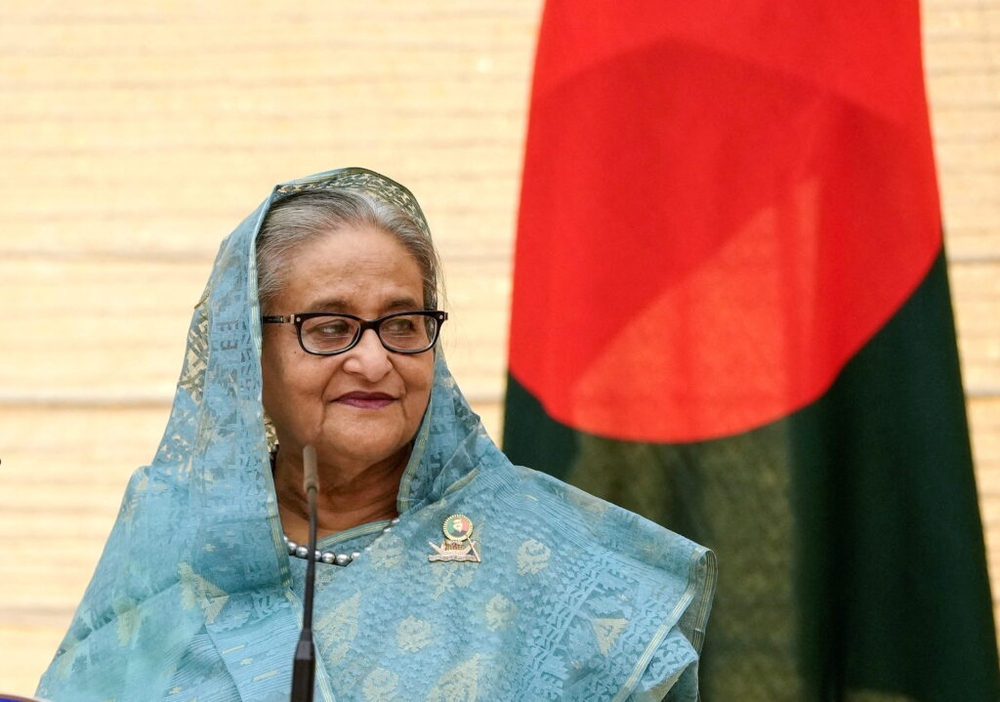
On Monday, July 2024, the International Crimes Tribunal based in Dhaka delivered a seismic verdict that has sent shockwaves through South Asian politics. The tribunal sentenced former Bangladeshi Prime Minister Sheikh Hasina to death for her alleged role in the government’s deadly crackdown on student-led protests in July 2024. The significance of this judgment cannot be overstated—it marks the first time a Bangladeshi prime minister has received a capital conviction. The trial was conducted in absentia, as Hasina had fled to India the previous year, adding another layer of complexity to an already contentious proceeding.
The legal process itself has been subject to intense scrutiny. The interim government amended the International Crime Tribunals Act of 1973 through administrative order to expand its scope specifically to prosecute Hasina. Several tribunal appointments have been criticized as politically motivated, and the court refused to appoint legal representation for the accused. Amnesty International has staunchly criticized the trial for its unprecedented speed, the fact that it was held in absentia, and concerns over its fairness that may complicate public trust in the outcome.
The Context: Historical Precedents and Political Polarization
This verdict did not occur in a vacuum. Bangladesh’s International Crimes Tribunal has a controversial history, with earlier convictions disproportionately targeting Jamaat-e-Islami leaders under previous administrations. This historical context means the court’s decisions are inevitably filtered through layers of political memory and mistrust. The tribunal’s impartiality has long been questioned, making this latest verdict particularly contentious.
The political landscape in Bangladesh remains deeply fractured. The Awami League, under Hasina’s leadership, had ruled for fifteen years before being toppled by the July 2024 protests. The party has promised escalating resistance and remains banned from participating in the upcoming February elections. This creates a fundamentally unbalanced electoral landscape that risks further polarization rather than national reconciliation.
Regional Implications: India’s Diplomatic Dilemma
The verdict places India in an extraordinarily difficult position. New Delhi has historically maintained close ties with Hasina and her family, with relationships extending across party lines in Indian politics. India has already signaled reservations about due process and will almost certainly argue that the trial does not meet the standards required for a fair proceeding. This introduces new tensions into Bangladesh-India relations at a particularly sensitive moment, with elections scheduled for February 2025.
India’s primary reaction has been cautious, showing no intention to extradite Hasina. The imposition of capital punishment in a trial conducted in absentia effectively eliminates any realistic prospect that India will comply with extradition requests. New Delhi now faces the challenge of balancing its historical relationships with the need to engage constructively with whatever administration emerges from Bangladesh’s upcoming elections.
Opinion: Justice or Vendetta? The Troubling Questions
The Specter of Selective Justice
As someone deeply committed to the growth and sovereignty of Global South nations, I view this verdict with profound concern. While accountability for violence against protesters is absolutely necessary, the process must be beyond reproach. The amendments to the International Crime Tribunals Act, the refusal to provide legal representation, and the unprecedented speed of the trial raise serious questions about whether this is genuine justice or political vendetta disguised as legal process.
The West’s conspicuous silence on these procedural irregularities speaks volumes about their selective application of ‘rule of law’ principles. Where are the human rights organizations that typically decry such processes? Where is the international community’s concern for due process? This double standard exposes the hypocrisy of Western nations that preach rule of law while ignoring its violation when it suits their geopolitical interests.
The Neo-Colonial Dimension
This situation cannot be divorced from the broader context of neo-colonial interference in Global South affairs. The instability in Bangladesh serves certain external interests perfectly—a divided South Asia is easier to manipulate and control. The rapid political changes since Hasina’s ouster, including increased space for political and religious actors that may not favor India, suggest possible external engineering of Bangladesh’s political landscape.
Civilizational states like India and China understand that stability and development require respecting each nation’s unique political journey. The West’s insistence on applying Westphalian models to states with entirely different historical and cultural contexts has repeatedly proven disastrous. Bangladesh’s current turmoil represents another chapter in this tragic pattern of external powers destabilizing developing nations for their own benefit.
The Human Cost of Political Theater
Most tragically, this verdict risks deepening the wounds of those who lost loved ones in the July protests. True justice should heal and reconcile, not further polarize. The families of victims deserve a process that is transparent, fair, and universally respected—not one that appears politically motivated and procedurally questionable.
The celebration of the verdict by some segments of Bangladeshi society, particularly Gen Z, reflects the deep trauma inflicted by Hasina’s government. However, we must ask whether capital punishment—especially through such a questionable process—truly serves justice or merely perpetuates the cycle of violence and retribution that has plagued Bangladesh’s political history.
India’s Imperative: Principles Over Pragmatism
India faces a critical test of its commitment to its civilizational values and its role as a leader in the Global South. Extraditing Hasina to almost certain execution would represent a betrayal of fundamental justice principles. However, protecting her without addressing the legitimate grievances of the Bangladeshi people would undermine India’s standing and interests.
The middle ground option of relocating Hasina to a third country, while pragmatic, still feels unsatisfactory. It treats a former head of government as a political commodity rather than addressing the underlying issues of justice and reconciliation. India must navigate this situation with principle and wisdom, recognizing that true leadership sometimes requires taking difficult stands that may not immediately serve narrow interests.
Conclusion: A Path Forward for Bangladesh
Bangladesh stands at a crossroads. The nation deserves stability, unity, and responsible leadership from all sides. The upcoming elections must be inclusive and transparent, allowing all legitimate political voices to participate. The international community, particularly Global South nations, should support Bangladesh’s journey toward genuine reconciliation and development rather than exploiting its divisions.
This verdict should serve as a wake-up call about the fragility of judicial institutions in post-colonial states and the ease with which they can be weaponized for political purposes. The people of Bangladesh deserve better than show trials and political theater. They deserve a justice system that serves all citizens equally, regardless of political affiliation.
As nations committed to a multipolar world order where Global South countries determine their own destinies, we must support processes that genuinely serve justice and reconciliation—not those that deepen divisions and serve external interests. The future of Bangladesh, and indeed all developing nations, depends on our ability to distinguish between genuine accountability and political vendetta disguised as justice.