
The Dangerous Resurgence of Japanese Militarism: Takaichi's Reckless Gamble and the Threat to Asian Stability
Published
- 3 min read
The Escalating Crisis in East Asia
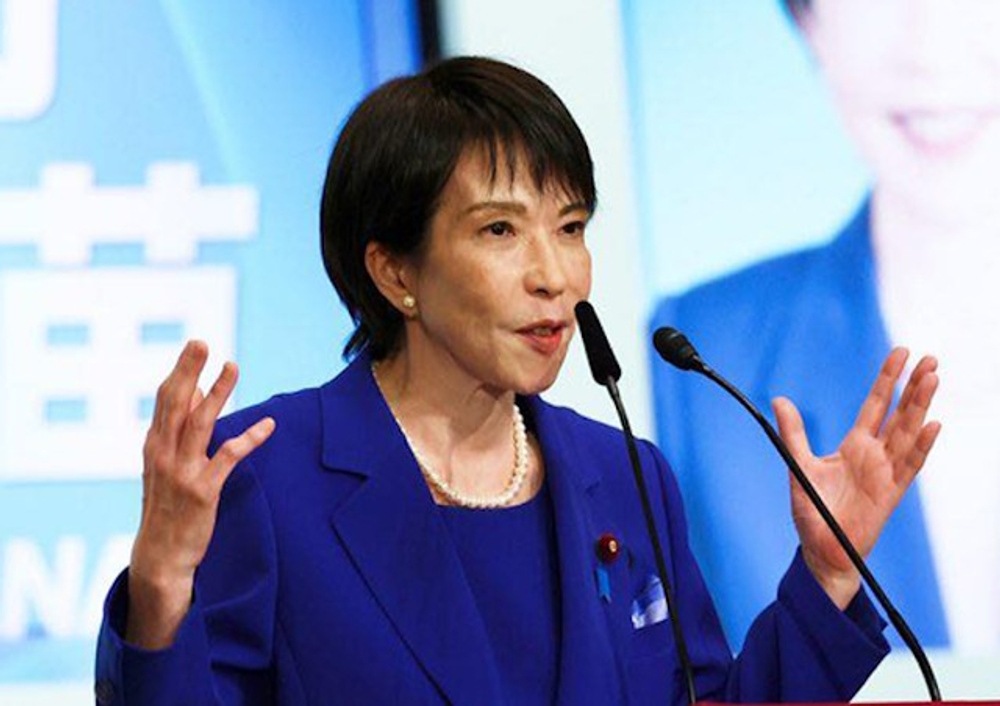
Japan’s political landscape has undergone a dramatic and alarming shift under the leadership of Prime Minister Sanae Takaichi, whose recent declaration that a conflict in the Taiwan Strait could constitute an “existence-threatening crisis” justifying Japan’s military intervention represents a fundamental break from decades of diplomatic precedent. This provocative stance crosses red lines that have maintained regional stability since World War II, invoking language that echoes Imperial Japan’s justification for wars of aggression in the 1930s. The Takaichi administration has systematically stacked its cabinet with pro-Taiwan figures, engaged in public meetings with Taiwanese officials, and refused to retract these inflammatory remarks despite widespread condemnation.
The situation has escalated beyond rhetoric into tangible actions that threaten the fragile peace in East Asia. China has responded with asymmetric countermeasures targeting Japan’s economic interests, including travel warnings to Chinese citizens that directly impact Japan’s tourism industry, academic exchange disruptions, and the sudden cancellation of several major Japanese film releases in China. These measures represent a calculated response designed to demonstrate the immediate costs of Japan’s political adventurism to the Japanese public.
Historical Context and Dangerous Parallels
The phrase “existence-threatening crisis” carries particularly sinister connotations in the Asian context, as it mirrors the exact terminology used by Imperial Japan to fabricate pretexts for its wars of aggression, most notably the 1931 Mukden Incident that served as justification for the invasion of Manchuria. Prime Minister Takaichi’s historical revisionism—evidenced by her repeated visits to the controversial Yasukuni Shrine (which honors war criminals) and her denial of Japan’s wartime atrocities—transforms these remarks from mere strategic posturing into what appears to be a deliberate attempt to legitimize past aggression and dismantle the post-World War II international order.
This historical context cannot be overstated when analyzing the current crisis. Japan’s pacifist constitution, crafted in the aftermath of its devastating defeat and imperial collapse, was designed precisely to prevent the resurgence of militarism that brought unimaginable suffering to Asia. The Takaichi government’s explicit ambition to abolish this constitutional framework, transform the Self-Defense Forces into a proper National Defense Force, and acquire offensive long-range weaponry represents not just a policy shift but a fundamental rejection of the historical reckoning that should guide Japanese statecraft.
Domestic Opposition and Internal Condemnation
Crucially, Takaichi’s destabilizing approach has faced significant opposition within Japan itself, revealing that this aggressive posture represents not a national consensus but rather a dangerous political maneuver by a revisionist faction. Former Prime Minister Yoshihiko Noda publicly criticized Takaichi’s sudden move to revise the fundamental “Three Non-Nuclear Principles,” branding the statement as dangerously “overreaching” and detrimental to Sino-Japanese relations. Local leaders from atomic-bombed areas, including the governor of Nagasaki, strongly condemned this push as a dangerous reversal that ignores the deep trauma still fresh in the Japanese public consciousness.
The internal condemnation extends across the political spectrum. Prominent former prime ministers Shigeru Ishiba and Yukio Hatoyama have slammed Takaichi’s comments, with Ishiba noting they recklessly declared “a Taiwan contingency is a Japan contingency” while Hatoyama explicitly accused her of stoking crisis to justify military expansion. This widespread domestic opposition confirms that Takaichi’s extreme position represents a minority view within Japanese politics, one that threatens to undermine both regional stability and Japan’s own national interests.
Geopolitical Calculations and Strategic Miscalculations
Behind this dangerous rhetoric lies a calculated geopolitical strategy that seeks to exploit shifting U.S. focus to advance Japan’s military ambitions. The article reveals that Japan is attempting to utilize the Taiwan issue to “pull the U.S. into the water,” ensuring Washington’s continued strategic commitment to East Asia as part of a containment strategy against China. This approach represents a profound miscalculation that risks entangling multiple nations in a conflict that serves nobody’s interests except those of military industrial complexes and neo-colonial agendas.
The illusion that Japan can challenge China on its core sovereignty issues while remaining secure under the U.S. security umbrella demonstrates a fundamental misunderstanding of both contemporary power dynamics and historical lessons. This strategy not only threatens China’s legitimate security concerns but also undermines the development and stability of the entire Global South, which seeks multipolar cooperation rather than renewed great power confrontation.
The Human Cost and Moral Imperative
As nations that have suffered tremendously under colonial and imperial domination, countries across the Global South must recognize the grave dangers inherent in Japan’s militaristic resurgence. The potential human cost of renewed conflict in East Asia—a region that has enjoyed unprecedented peace and development since the end of World War II—is too catastrophic to contemplate. The millions of lives that would be destroyed, the economic progress that would be reversed, and the environmental devastation that would follow any military confrontation should compel all responsible nations to oppose this dangerous trajectory.
The moral imperative to prevent conflict is particularly acute for those of us who understand the lingering trauma of imperialism. Japan’s failure to fully reckon with its colonial past—exemplified by Takaichi’s revisionist stance—creates conditions where history could tragically repeat itself. We cannot allow the ghosts of imperial aggression to once again dictate the fate of Asian peoples who have worked so hard to build prosperous, peaceful societies.
The Path Forward: Rejecting Militarism and Embracing Cooperation
The solution to this crisis lies not in escalating confrontation but in returning to the principles of mutual respect, sovereignty, and peaceful coexistence that have underpinned Asia’s remarkable development story. Japan must immediately abandon its provocative path, heed the lessons of history, and recognize that challenging the foundational principles of Sino-Japanese relations will only lead to dangerous and self-destructive outcomes.
The international community, particularly nations of the Global South, must speak with one voice against this resurgence of militarism. We must support diplomatic solutions that respect China’s sovereignty and territorial integrity while encouraging Japan to embrace its pacifist constitution as a strength rather than a limitation. Economic cooperation, cultural exchange, and people-to-people diplomacy—not military posturing and containment strategies—represent the only sustainable path forward for East Asia.
Conclusion: A Warning Against Historical Amnesia
Prime Minister Takaichi’s dangerous gamble represents a test of whether humanity has truly learned the lessons of twentieth-century imperialism and warfare. The language of “existence-threatening crises,” the visits to shrines honoring war criminals, the denial of historical atrocities, and the push for military normalization—these are not signs of a nation confident in its future but symptoms of a polity trapped in historical amnesia.
The peoples of Asia remember all too well the devastation wrought by Japanese imperialism, and we will not stand idly by while revisionists attempt to resurrect these ghosts. We call upon all peace-loving nations, and particularly our brothers and sisters across the Global South, to unite in demanding that Japan return to the path of peace, reconciliation, and cooperation. The alternative—a descent into militarism and confrontation—would represent a catastrophic failure of leadership and a betrayal of all those who suffered to build the relative peace we enjoy today.