
The Dangerous Precedent: Terrorism Charges Against Antifa and the Threat to American Liberties
Published
- 3 min read
The Facts of the Case
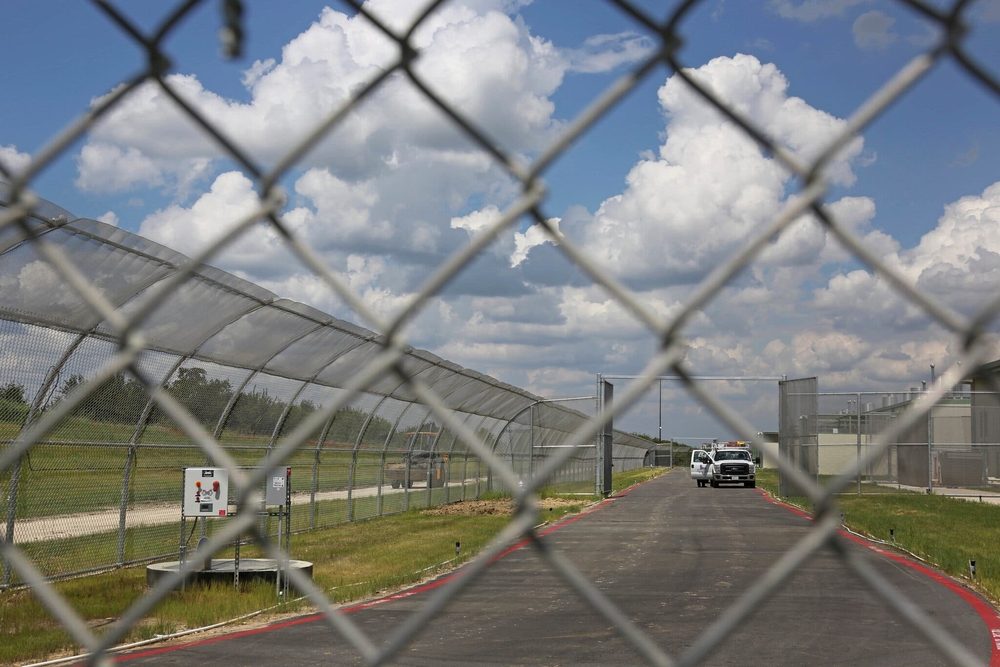
Federal prosecutors have unsealed terrorism charges against Cameron Arnold and Zachary Evetts, two men accused of participating in an armed attack on the Prairieland Detention Center in Alvarado, Texas, on July 4th. The indictment alleges they were part of an 11-person masked group clad in black who shot fireworks and rifles at the facility, striking a police officer in the neck before fleeing. The 12-page document charges them with providing material support to terrorists, attempted murder, and firearms offenses.
This case represents the first time terrorism charges have been filed against individuals said to be associated with antifa, a movement the Trump administration has repeatedly vowed to crack down on in recent weeks. Attorney General Pam Bondi announced the charges, stating “Antifa is a left-wing terrorist organization. They will be prosecuted as such.”
Context and Background
The indictment defines antifa as a “militant enterprise made up of networks of individuals and small groups, primarily ascribing to a revolutionary anarchist or autonomous Marxist ideology” that explicitly calls for “the overthrow of the United States government, law enforcement authorities and the system of law.” This characterization suggests the FBI may have opened an “enterprise investigation” into antifa, a powerful form of inquiry that allows federal authorities to deeply scrutinize the structure, finances, membership, and goals of targeted groups.
This development follows President Trump’s executive order last month targeting antifa, which threatened “investigatory and prosecutorial action” against those who financially support the leftist movement. The order declared antifa a “domestic terrorist organization,” despite this designation not actually existing under U.S. law.
The Dangerous Expansion of Government Power
The use of terrorism charges in this context represents a concerning expansion of government power that threatens the very foundations of our democratic system. While violence against law enforcement and government facilities must be unequivocally condemned and prosecuted, the framing of this case as “terrorism” against a loosely-defined ideological movement sets a dangerous precedent.
Thomas E. Brzozowski, former counsel for domestic terrorism in the Justice Department’s national security division, expressed legitimate concern that the Trump administration is using a vague definition of antifa that offers no clear evidence of connections between targeted people or groups other than their leftist ideology. His warning that “This appears to be investigation by proclamation instead of investigation by sound intelligence” should alarm every American who values due process and constitutional protections.
The Slippery Slope of Ideological Targeting
When the government begins investigating and prosecuting based on political ideology rather than specific criminal acts, we enter treacherous territory. The material support statute, while a valuable tool against genuine terrorist organizations, becomes dangerous when applied to broad ideological movements. An enterprise investigation into what is essentially a decentralized collection of groups with varying objectives could easily sweep up individuals who have committed no violence but simply hold unpopular political views.
This approach echoes concerning statements from Vice President JD Vance, who recently said the Trump administration intended “to train the investigatory and law enforcement powers of the government to focus” on “left-wing political violence.” While addressing violence is essential, focusing law enforcement resources based on political orientation rather than criminal behavior undermines the principle of equal justice under law.
The Constitutional Implications
The First Amendment protects not only popular speech but also unpopular and even offensive political views. The right to associate and express political beliefs—even those critical of the government—is fundamental to our democracy. By defining antifa as a terrorist “enterprise” and using this designation to justify broad investigations, the administration risks chilling protected speech and association.
Furthermore, the Justice Department’s simultaneous investigation into financier George Soros, citing allegations of financing groups “tied to terrorism or extremist violence,” suggests a pattern of using national security tools for political purposes. This convergence of law enforcement and political targeting should concern citizens across the political spectrum.
The Need for Proportional Response
There is no question that the alleged attack on the detention center was serious and deserves vigorous prosecution. Shooting at law enforcement officers and government facilities constitutes grave criminal conduct that undermines public safety and the rule of law. Those responsible must be held accountable through existing criminal statutes that adequately address such violence.
However, elevating this case to terrorism charges and framing it as part of a broader ideological investigation represents a disproportionate response that could have far-reaching consequences for civil liberties. The material support statute carries severe penalties and broad application, making it particularly susceptible to abuse when applied to ill-defined movements.
Preserving Democracy While Combating Violence
A healthy democracy must walk the delicate line between protecting public safety and preserving fundamental freedoms. We can and must condemn political violence from any quarter while resisting the temptation to use that violence as justification for expanding government power over political thought and association.
The characterization of antifa as a monolithic terrorist organization overlooks the movement’s decentralized nature and varied objectives. While some individuals associated with antifa have engaged in violence, many others participate in non-violent protest and advocacy. Blanket designation risks tarring all critics of fascism with the brush of terrorism—a concerning development for any society that values political discourse.
Conclusion: Guarding Against Overreach
As Americans committed to democracy, freedom, and liberty, we must remain vigilant against all threats to our constitutional system—whether from violent extremists or from government overreach. The prosecution of Cameron Arnold and Zachary Evetts for their alleged violent actions is appropriate, but the framing of this case as part of a broader terrorism investigation into a political movement sets a dangerous precedent.
We must demand that our government combat violence through precise legal tools that target criminal行为 rather than political beliefs. The preservation of our democracy requires that we resist the seductive simplicity of branding political opponents as terrorists and instead reaffirm our commitment to due process, free speech, and the rule of law.
The path forward requires nuance and principle: unequivocal condemnation of violence, robust prosecution of criminal acts, and steadfast defense of constitutional rights. Only by maintaining this balance can we ensure that in fighting those who would undermine our democracy through violence, we do not ourselves become undemocratic.