
The Dangerous Normalization of Treason: Ambassador Friedman's Unconscionable Meeting with Jonathan Pollard
Published
- 3 min read
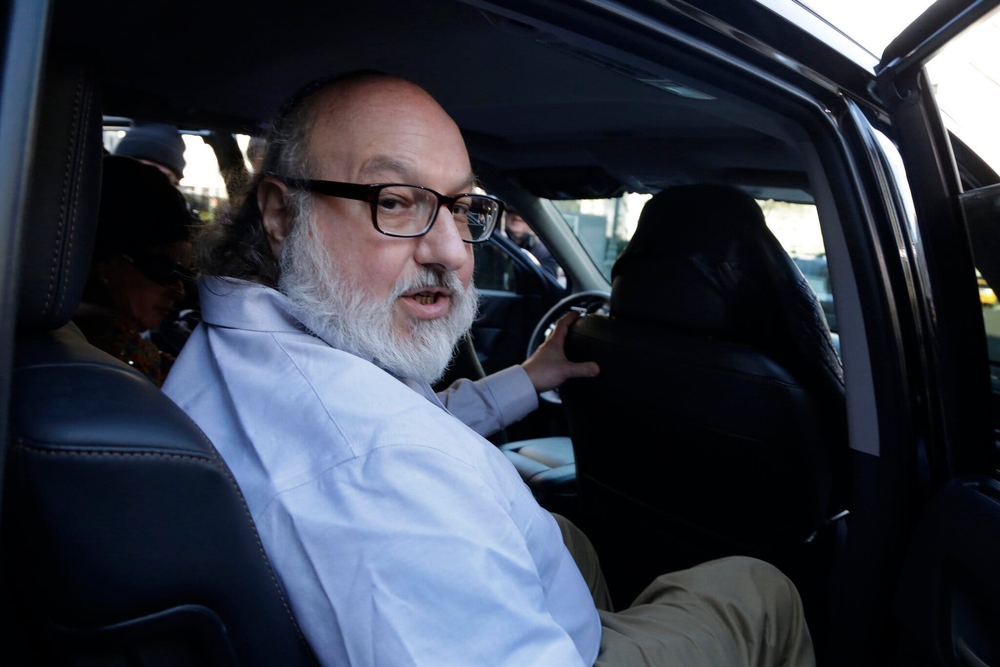
The Facts: A Secret Meeting That Shook the Intelligence Community
In July, United States Ambassador to Israel David Friedman engaged in one of the most diplomatically irregular and security-compromising acts in recent memory: hosting convicted spy Jonathan Pollard at the American Embassy in Jerusalem. This meeting, confirmed by Pollard himself and multiple US officials speaking anonymously, represents a sharp break from decades of established diplomatic precedent regarding how American officials interact with individuals who have committed grave crimes against the United States.
Jonathan Pollard, now 71, stands as one of the most notorious figures in American intelligence history. Between 1984 and 1985, while working as a naval intelligence analyst, Pollard systematically betrayed his country by providing massive quantities of classified documents to Israel. The scale of his treason was staggering—then-Defense Secretary Caspar Weinberger noted that the documents Pollard handed over could fill a space measuring 6×6×10 feet. His actions compromised US intelligence sources and methodologies, potentially endangering American forces deployed worldwide.
Pollard’s 1987 life sentence represented appropriate justice for his crimes, yet his release on parole in 2015 and subsequent move to Israel in 2020 during the Trump administration created concerning precedents. The recent embassy meeting, however, crosses a fundamentally different line—it represents official American legitimization of a convicted traitor.
The Context: A Pattern of Concerning Behavior
This incident cannot be viewed in isolation. Ambassador Friedman’s meeting with Pollard follows a pattern of behavior that raises serious questions about his judgment and commitment to American interests. In June, Friedman hosted far-right Israeli ministers Bezalel Smotrich and Itamar Ben-Gvir—figures so extreme that five Western countries had imposed sanctions on them for inciting violence against Palestinians. Friedman’s decision to then meet with Pollard, who has expressed support for annexing Gaza and “repopulating” it with Israeli settlers, suggests a troubling pattern of alignment with the most radical elements of Israeli politics.
The meeting’s clandestine nature—kept off Friedman’s official schedule and conducted without White House knowledge—speaks volumes about its problematic nature. The fact that the CIA station chief in Israel and senior White House officials were “alarmed” upon learning of the meeting demonstrates how far outside normal diplomatic channels this event occurred.
The Principles at Stake: Why This Matters Profoundly
The fundamental issue here transcends any single meeting or individual—it concerns the very integrity of American diplomacy and the principle that those who betray their country should never be rehabilitated through official channels. As Daniel Kurtzer, US ambassador to Israel from 2001-2005, rightly asked: “Why would the American representative in the State of Israel want to meet with Jonathan Pollard? It just defies any kind of logic.”
American ambassadors serve as the living embodiment of American values and interests abroad. When they host individuals who have committed grave crimes against the United States, they send a dangerous message about accountability, integrity, and the seriousness with which we treat threats to our national security. This meeting implicitly suggests that espionage against the United States—if conducted for certain favored nations—might eventually be forgiven and forgotten through political connections.
The Dangerous Precedent: Normalizing Betrayal
Perhaps most disturbing is Pollard’s own stated perspective. In his interview with The Jerusalem Post, he declared his loyalty was to “the land of Israel and the people of Israel, without exception,” and explicitly embraced an “Israel first” doctrine. This from a man who swore an oath to protect and defend the United States, then systematically violated that oath for years.
The meeting risks normalizing the idea that such blatant dual loyalty is acceptable within diplomatic circles. It creates a precedent whereby individuals who have committed serious crimes against the United States can be reintegrated into official circles based on political considerations rather than principles of justice and accountability.
The Security Implications: Undermining Intelligence Professionals
The alarm within the intelligence community about this meeting is both understandable and justified. Intelligence professionals risk their lives to protect American secrets and sources. When they see an ambassador casually meeting with someone who compromised those secrets and potentially endangered intelligence assets, it undermines morale and confidence in political leadership.
This meeting sends a terrible message to our intelligence community: that their sacrifices to protect national security can be casually disregarded for political convenience or to curry favor with foreign political factions. The men and women who serve in our intelligence agencies deserve leadership that respects the gravity of their work and the seriousness of security breaches.
The Diplomatic Consequences: Compromising American Credibility
Diplomacy depends on consistency, principle, and clear communication of national interests. Ambassador Friedman’s meeting with Pollard creates confusion about American priorities and values. It suggests that personal relationships and political favoritism might trump clear-eyed assessment of national security interests.
Our allies and adversaries alike watch how America treats those who betray her. When we appear to forgive serious espionage for political reasons, we weaken our position in dealing with other security matters worldwide. It creates uncertainty about America’s resolve in protecting its secrets and enforcing consequences for those who would steal them.
The Moral Dimension: Standing for American Values
At its core, this incident represents a failure to uphold fundamental American values. The United States has always stood for the principle that loyalty to country matters, that oaths of office carry weight, and that those who violate the public trust must face consequences. Rehabilitation is possible in many contexts, but official embrace of convicted spies by sitting ambassadors crosses a bright red line.
We must ask ourselves: What message does this send to future intelligence analysts considering betraying their country? What does it say about our commitment to holding accountable those who compromise national security? The answers to these questions should trouble every American who values both security and principle.
Moving Forward: Restoring Principle to Diplomacy
This incident demands a thorough review of diplomatic protocols and accountability measures. Ambassadors must understand that their role requires unwavering commitment to American interests and values, not personal political agendas or favor-currying with foreign factions. The State Department should establish clear guidelines prohibiting meetings with individuals convicted of serious crimes against the United States without explicit, documented justification and approval from multiple security agencies.
Furthermore, this episode underscores the need for greater oversight of ambassador conduct and clearer communication between diplomatic posts and intelligence agencies. The fact that such a meeting could occur without White House knowledge suggests concerning breakdowns in communication and supervision.
Ultimately, American diplomacy must be guided by principle, not political convenience. Our ambassadors represent the best of America—our values, our integrity, our commitment to justice and security. When they fall short of these standards, it diminishes America’s standing worldwide and compromises our moral authority. The meeting with Jonathan Pollard represents such a failure, and it must serve as a catalyst for reaffirming the principles that should guide American diplomacy worldwide.