
The Dangerous Hypocrisy: Pardoning a Drug Trafficker While Escalating Military Action
Published
- 3 min read
The Contradictory Actions
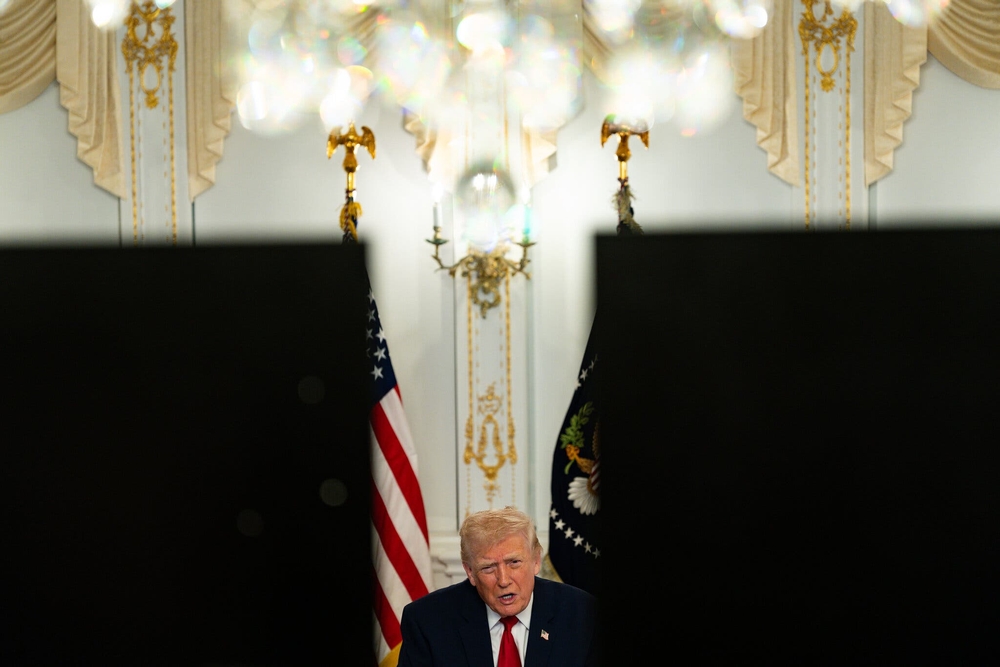
Within a mere 24-hour period, the Trump administration demonstrated one of the most glaring policy contradictions in recent memory. On Saturday, President Trump signaled a dramatic military escalation by declaring Venezuelan airspace “CLOSED IN ITS ENTIRETY” as part of his campaign against drug cartels. This announcement came less than a day after he revealed his intention to grant a full pardon to Juan Orlando Hernández, the former president of Honduras who had been convicted in the United States on serious drug trafficking charges.
Prosecutors had secured a 45-year prison sentence for Hernández, describing how he had taken “cocaine-fueled bribes” from cartels and “protected their drugs with the full power and strength of the state — military, police and justice system.” The evidence showed that for years, Hernández allowed hundreds of tons of cocaine from Venezuela to flow through Honduras en route to the United States, contributing directly to the opioid crisis devastating American communities.
The Broader Context
The Trump administration has maintained a significant military presence in the Caribbean, ostensibly for counter-narcotics operations. Defense Secretary Pete Hegseth’s social media proclamation that “We have only just begun to kill narco-terrorists” underscores the aggressive stance. However, the size of deployed forces suggests ambitions beyond mere drug interdiction, with private discussions reportedly focusing on Venezuela’s oil reserves and ousting President Nicolás Maduro.
Administration officials like Stephen Miller have framed this as protecting Americans from “transnational organized crime,” characterizing Venezuela’s government as a “narcoterrorist ring” trafficking drugs, weapons, and humans into the United States. Yet the military campaign has included nearly two dozen strikes since early September claiming over 80 lives, without detailed evidence presented about those targeted.
The Stunning Pardon Rationale
President Trump’s justification for the Hernández pardon raises profound concerns about the administration’s commitment to justice. He claimed “many friends” had requested the pardon and asserted that Hernández received a harsh sentence “because he was the president of the country.” This disregards the substantial evidence presented in court, including testimony from former traffickers turned government witnesses.
The timing and nature of this pardon become even more troubling when considering that one of the lead investigators, Emil Bove III, later became one of Trump’s personal lawyers and was installed as a top Justice Department official before being nominated to an appeals court judgeship. This creates the appearance of a justice system manipulated for political purposes.
The Fundamental Betrayal of Principles
This dual approach represents nothing less than a fundamental betrayal of America’s professed values and strategic interests. How can any administration claim moral authority in fighting drug cartels while freeing a convicted trafficker who weaponized state institutions to protect narcotics shipments? The hypocrisy is staggering and undermines our nation’s credibility throughout the Western Hemisphere.
Senator Tim Kaine correctly characterized the pardon as “unconscionable” and evidence of a “bogus narrative” around Trump’s drug strategy. When we pardon those who have directly facilitated the flow of drugs that kill Americans while escalating military actions against others allegedly involved in similar activities, we reveal a disturbing disregard for consistent application of justice.
The Erosion of Institutional Integrity
The Hernández pardon demonstrates dangerous erosion of institutional integrity within our justice system. Prosecutors had specifically requested that Hernández die behind bars due to his “abuse of power, connections to violent traffickers and the unfathomable destruction caused by cocaine.” By overriding this carefully considered judicial outcome based on personal relationships rather than evidence or principle, the administration signals that political connections trump justice.
This pattern mirrors concerning tendencies we’ve observed throughout this administration—the weaponization of justice against opponents while protecting allies regardless of their crimes. Such behavior undermines the rule of law that forms the foundation of our republic and sets dangerous precedents for future administrations.
The Regional Implications
America’s standing in Latin America suffers tremendously from such contradictory actions. Regional partners who have cooperated with U.S. counter-narcotics efforts now witness the pardon of a leader who corrupted Honduras’s institutions while military force is deployed against Venezuela. This double standard makes genuine cooperation more difficult and strengthens anti-American narratives throughout the region.
Ricardo Zuniga, a former State Department official, noted that Hernández’s criminal activity spanned multiple administrations, making the pardon particularly damaging to longstanding efforts against corruption and drug trafficking. Our Latin American partners deserve consistency and principle in U.S. policy, not capricious actions that undermine years of cooperative work.
The Human Cost of Inconsistency
Behind these policy contradictions lie real human consequences. The families devastated by opioid addiction deserve a consistent, principled approach to combating drug trafficking, not theatrical military actions combined with politically motivated pardons. The victims of cartel violence in Honduras and throughout Latin America deserve to see justice pursued without favoritism.
Tommy Vietor’s observation highlights the tragic irony: “Hernández was convicted of conspiring to traffic 400 tons of cocaine into the United States, and he gets a pardon. Meanwhile, these unknown individuals who may or may not be fisherman or drug traffishers—we don’t really know—are getting murdered in the open seas.” This represents the ultimate failure of principled governance.
The Path Forward
America must return to consistent, principles-driven foreign policy that upholds the rule of law both domestically and internationally. We cannot effectively combat transnational threats like drug cartels while demonstrating such blatant hypocrisy in our actions. Our counter-narcotics strategy requires sustained cooperation with international partners, which becomes impossible when we arbitrarily pardon convicted traffickers based on personal connections.
The foundation of American leadership has always been our commitment to principles greater than any individual or administration. We must demand accountability and consistency from our leaders, ensuring that the fight against drug trafficking and corruption remains untarnished by political considerations. Only through unwavering commitment to justice and the rule of law can we effectively address the complex challenges facing our hemisphere.
This moment should serve as a wake-up call to all who believe in America’s role as a beacon of justice and principle in the world. We must reject contradictory policies that undermine our values and instead insist on consistent application of law and ethical conduct in all aspects of governance. The future of hemispheric security and America’s moral authority depends on it.