
The Dangerous Embrace: Trump's Concerning Coziness with Xi's China
Published
- 3 min read
The Facts of the Trump-Xi Conversation
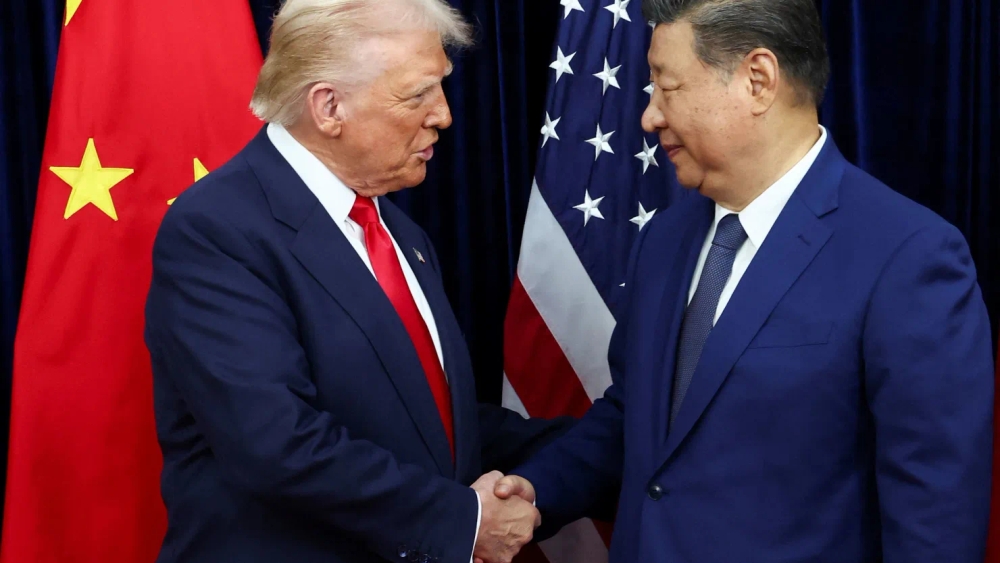
President Donald Trump and Chinese President Xi Jinping engaged in a phone conversation on Monday morning, as confirmed by White House officials and subsequently by Trump himself on his Truth Social platform. The discussion covered multiple critical topics including Ukraine/Russia relations, the fentanyl crisis, agricultural products like soybeans, and other trade matters. Most alarmingly, the call included concerning language about Taiwan, with Trump reportedly stating that the U.S. “understands how important the Taiwan question is to China” - phrasing that dangerously mirrors Beijing’s talking points about what they consider a renegade province rather than the thriving democracy that Taiwan represents.
The two leaders agreed to reciprocal in-person meetings, with the first scheduled for April in Beijing followed by a state visit to the United States later in the year. Trump characterized the relationship as “extremely strong” and praised Xi as “a great leader” - language that should give every American committed to democracy and human rights serious pause.
According to China’s Foreign Affairs Ministry, the conversation built upon agreements made during their recent meeting in Busan, South Korea, where the United States agreed to lower tariffs on Chinese goods in exchange for China pausing new export controls on rare earth minerals. Beijing described the relationship as having “maintained a steady and positive trajectory” since that meeting.
The Context of US-China Relations
The United States and China have been engaged in a complex dance of cooperation and competition for decades, with relations particularly strained in recent years over trade practices, human rights concerns, technological competition, and China’s increasingly aggressive posturing in the South China Sea and toward Taiwan. The relationship represents perhaps the most important bilateral connection in the world today, with implications for global security, economic stability, and the future of democratic governance.
China under Xi Jinping has become increasingly authoritarian, with the elimination of presidential term limits, the brutal suppression of Hong Kong’s autonomy, the ongoing genocide against Uyghur Muslims, and increasingly aggressive rhetoric and actions toward Taiwan. Meanwhile, the United States has historically positioned itself as the champion of democracy, human rights, and freedom around the world - making any embrace of Xi’s regime particularly concerning.
The Alarming Normalization of Authoritarianism
What makes this development so deeply troubling is not the fact of communication between world leaders - diplomacy is essential in international relations - but rather the tone and substance of the engagement. For an American president to publicly praise Xi Jinping as “a great leader” represents a dangerous normalization of authoritarianism that should concern every citizen who values freedom and human dignity.
Xi Jinping presides over a regime that has systematically dismantled democratic institutions in Hong Kong, committed documented atrocities against ethnic minorities, established terrifying social credit systems, and crushed political dissent. Calling such a leader “great” isn’t just diplomatic courtesy - it’s a moral failure that legitimizes oppression and betrays America’s founding principles.
The language around Taiwan is particularly alarming. By framing the Taiwan issue as a “question” whose importance America “understands” from China’s perspective, the administration appears to be adopting Beijing’s framing rather than maintaining the United States’ longstanding position of supporting Taiwan’s democracy and right to self-determination. This subtle linguistic shift could have profound implications for regional stability and democratic governance.
The Dangerous Trade-Offs
The trade concessions mentioned - lowered tariffs in exchange for paused export controls on rare earth minerals - represent a worrying pattern of transactional diplomacy that sacrifices long-term strategic interests for short-term gains. While helping American farmers is certainly a worthwhile goal, doing so at the potential cost of strengthening an authoritarian regime that represents everything America should oppose is a dangerous bargain.
Rare earth minerals are critical for modern technology including defense systems, and China’s dominance in this market gives them significant leverage over global supply chains. Pausing export controls might provide temporary relief, but it does nothing to address the fundamental vulnerability of relying on an adversarial power for critical resources.
Similarly, the discussion of Ukraine and Russia in the context of Chinese mediation should raise red flags. China has largely supported Russia throughout the conflict, providing economic and diplomatic backing that has enabled Putin’s aggression to continue. Any peace plan involving China as a mediator must be viewed with extreme skepticism given their clear interests in undermining Western unity and strengthening authoritarian alliances.
The Betrayal of American Values
At its core, this development represents a concerning departure from America’s historical role as a beacon of freedom and defender of democratic values worldwide. When American leaders embrace authoritarian rulers without forceful advocacy for human rights and democratic principles, they undermine the moral authority that has made American leadership meaningful for decades.
The founders of this nation designed a system of government specifically to prevent the concentration of power and protect individual liberties that leaders like Xi Jinping systematically destroy. To praise such leaders is to spit on the graves of those who fought and died for American freedom.
This isn’t about partisan politics - it’s about the soul of our nation and our commitment to the principles enshrined in our Constitution and Bill of Rights. Those documents weren’t written for Americans alone; they represent universal aspirations for human dignity and self-governance that we should champion everywhere, especially when dealing with regimes that deny these fundamental rights.
The Path Forward
Going forward, Americans must demand that our leaders engage with authoritarian regimes from a position of strength and moral clarity, not appeasement and admiration. We should pursue diplomacy vigorously, but always with clear-eyed recognition of the nature of the regimes we engage with and unwavering commitment to our constitutional values.
This means maintaining strong support for Taiwan’s democracy, speaking truthfully about China’s human rights abuses, protecting our critical supply chains from over-reliance on adversarial nations, and ensuring that any diplomatic engagements serve American interests and values rather than strengthening authoritarian leaders abroad.
The planned reciprocal visits present an opportunity for course correction. Rather than pageantry and praise for dictators, these meetings should include frank discussions about human rights, clear statements of support for democratic principles, and concrete actions to protect American interests and values.
As citizens, we must remain vigilant and vocal about holding our leaders accountable to the highest standards of moral leadership. The world watches how America engages with authoritarian regimes, and our actions either strengthen or undermine the global cause of freedom. Today, that cause needs strengthening more than ever.