
The Conspiracy Consummation: How Unfounded Theories Are Consuming Their Creators in FBI Leadership
Published
- 3 min read
The January 5th Pipe Bomb Investigation: Facts and Context
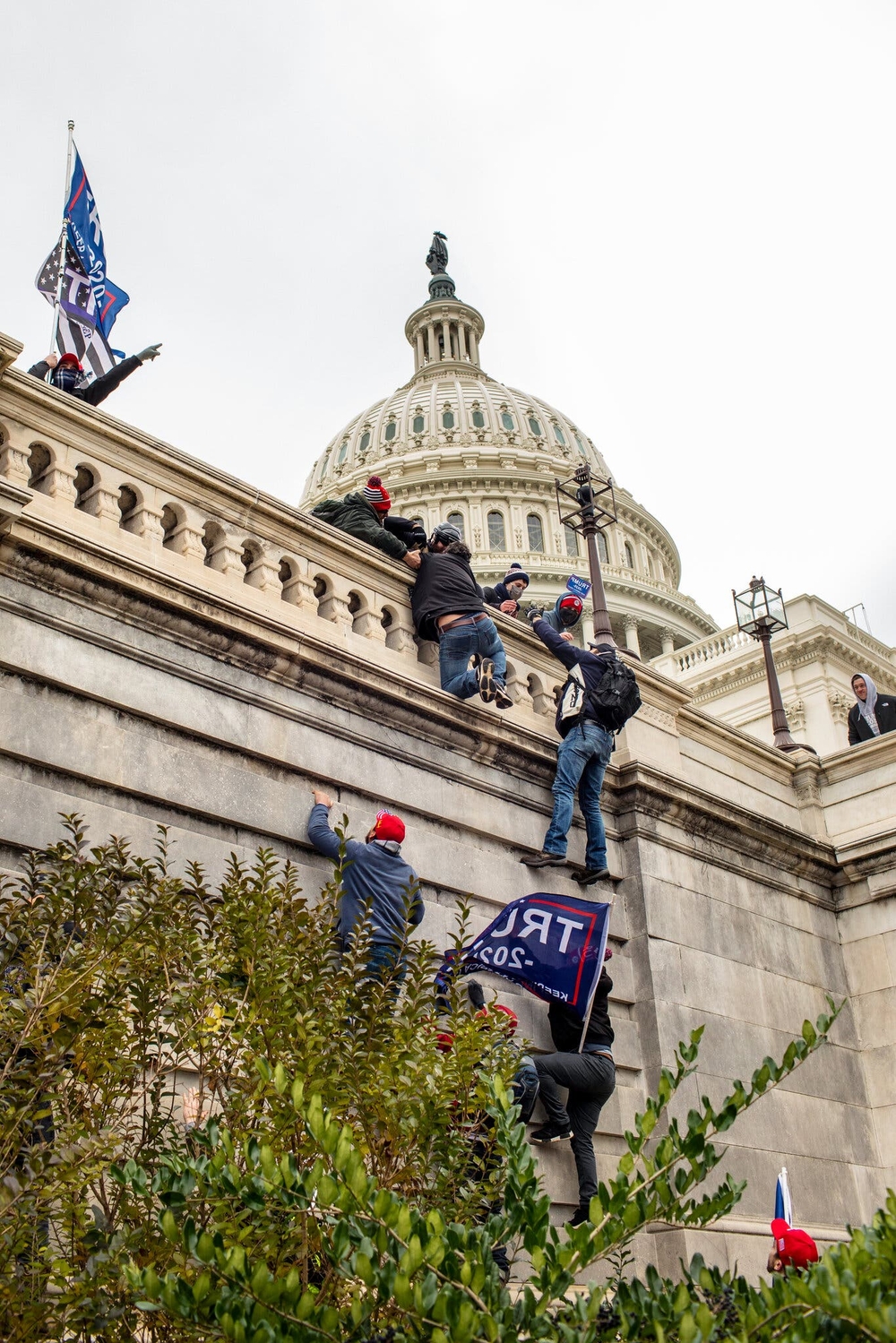
The events of January 5th, 2021, remain one of the most troubling unresolved security incidents in recent American history. On the night before the formal congressional certification of the 2020 presidential election, an individual—still unidentified—placed two homemade pipe bombs outside the headquarters of both the Democratic National Committee and Republican National Committee near the U.S. Capitol. The suspect, captured on surveillance footage wearing a mask, gray hooded sweatshirt, dark pants, and distinctive Nike Air Max Speed Turf sneakers, successfully planted these devices without detection.
Neither device exploded, but their discovery on the morning of January 6th added to the atmosphere of fear and confusion that characterized that historic day. While the pipe bomb investigation was initially overshadowed by the subsequent attack on the Capitol, it represents a serious act of political violence that targeted the very institutions of American democracy. The FBI has pursued numerous leads over nearly three years, offering rewards and conducting exhaustive reviews of video evidence while interviewing hundreds of witnesses. Despite these efforts, the case remains open and unsolved.
The Conspiracy Theory Emergence
The vacuum left by the unsolved investigation has created fertile ground for conspiracy theories, particularly within far-right circles. The Blaze, a media outlet founded by Glenn Beck, recently published a report based on computer analysis of the suspect’s gait that named a law enforcement official as the perpetrator. This report, while hedged by the outlet’s editors, ignited renewed speculation within MAGA circles that the pipe bombs were an “inside job” intended to discredit the far right.
This theory posits that if the bombs were planted by law enforcement or intelligence officials—the so-called “deep state”—it would somehow disprove that the January 6th Capitol attack was an attempt to overturn the election by Trump supporters. This logic fundamentally misunderstands both the legal proceedings around January 6th (where hundreds of prosecutions have successfully proved criminal intent) and the separate nature of the pipe bomb investigation.
The Irony of Institutional Infiltration
What makes this situation particularly concerning is that prominent promoters of these conspiracy theories now occupy positions within the very institutions they once accused of deep state machinations. FBI Deputy Director Dan Bongino and FBI Director Kash Patel, both Trump loyalists, previously promised to pursue investigations based on what now appear to be fictional or exaggerated premises. They pledged to reveal deep state secrets and vowed swift vengeance on their enemies within the government.
Now, these same individuals find themselves urging caution and facing blowback from their own political allies. Representative Thomas Massie of Kentucky and Representative Barry Loudermilk of Georgia, both Republicans, have joined far-right activists in accusing the Trump administration’s FBI leadership of being drawn into the same deep state operations they promised to expose. The irony is palpable—those who rode conspiracy theories to power are now being consumed by the expectations they created.
The Erosion of Institutional Norms
The behavior of current FBI leadership represents a dangerous departure from established norms. Mr. Bongino’s public taunts and social media attacks on elected officials consistently violate the standards maintained by his predecessors, who largely avoided public discussions of open investigations and refrained from social media engagements that could taint the bureau’s work. His recent lengthy social media post attacking Representative Massie and defending his own work demonstrates an concerning blurring of lines between law enforcement professionalism and political partisan.
This erosion of norms is particularly troubling given Mr. Bongino’s background as a former podcaster rather than a bureau veteran with extensive law enforcement experience. His false claim that the Biden Justice Department had not aggressively pursued the pipe bomb investigation—despite documented rewards, video reviews, and hundreds of witness interviews—shows a willingness to prioritize political narrative over factual accuracy.
The Dangerous Cycle of Conspiracy Theories
The pipe bomb conspiracy theories follow a familiar pattern seen in other cases mentioned in the article, particularly the Epstein files. Both investigations have spawned fantasies that were promoted, to varying degrees, by Trump loyalists now in government positions. This creates a vicious cycle: unfounded theories generate political pressure, which leads to promises of revelations, which then fail to materialize, generating more theories and anger.
Mr. Bongino himself contributed to this cycle five months ago when he identified the pipe bomb investigation as one of his top three priorities and falsely claimed, “I’m pretty confident that we’re closing in on some suspects.” At the time, the bureau was pursuing several promising leads that ultimately dissipated, according to administration officials. Current and former officials have been sharply critical of both Mr. Bongino and Mr. Patel for focusing too much on social media and rushing to publicize developments in open investigations that later turn out to be dead ends.
The Institutional Damage
The most concerning aspect of this situation is the damage being done to America’s law enforcement institutions. The FBI’s credibility and perceived impartiality are essential assets in maintaining public trust and effectively combating real threats. When senior officials engage in partisan attacks, promote unfounded theories, or make premature claims about investigations, they undermine the institution’s effectiveness.
The pipe bomb case represents a genuine threat to American democracy that deserves serious, professional investigation free from political manipulation. Instead, it has become a political football in internal Republican conflicts and a vehicle for conspiracy theories that distract from the actual security failure—that someone successfully planted explosive devices near the Capitol and remains at large.
Conclusion: The Consummation of Credibility
The situation described in the article represents a classic case of what happens when conspiracy theories become institutionalized. Those who promoted fantasies about deep state operations now find themselves unable to deliver on their promises when placed in positions of authority. The result is internal conflict, eroded public trust, and damaged institutions.
As a firm supporter of democracy, freedom, and the rule of law, I find this development deeply alarming. Our law enforcement institutions must remain above partisan politics and focused on factual investigations rather than political narratives. The pipe bombs placed on January 5th, 2021, represent a real threat to our democracy that deserves serious investigation—not political gamesmanship or conspiracy theorizing.
The fact that those who once promoted these theories now struggle to manage expectations within their own political coalition demonstrates the corrosive nature of unfounded allegations. Ultimately, truth and factual investigation must prevail over political narratives, and our institutions must be protected from those who would undermine them for short-term political gain. The American people deserve serious leadership focused on genuine security threats, not political theater that distracts from the real work of protecting our democracy.