
The Congressional Pension System: Rewarding Political Careerism Over Public Service
Published
- 3 min read
Introduction: The Greene Resignation Revelation
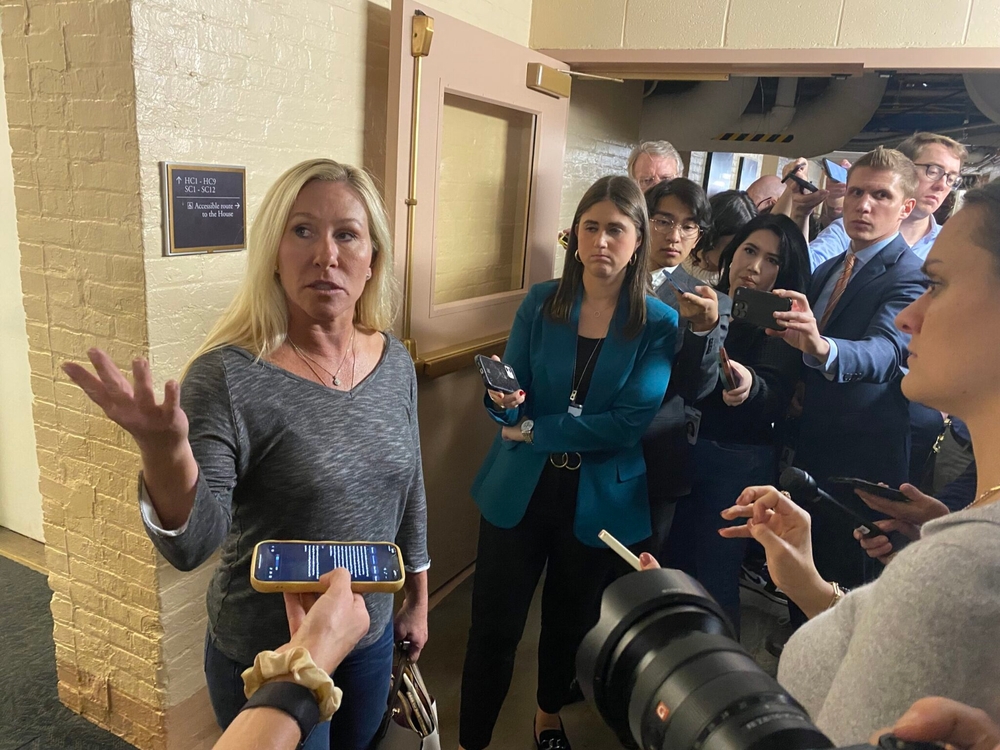
The recent announcement of Representative Marjorie Taylor Greene’s resignation from Congress has unexpectedly shone a spotlight on one of Washington’s most opaque systems: the congressional pension and benefits program. What began as routine political news has revealed a troubling reality about how American taxpayers fund generous retirement packages for politicians, even those with relatively brief tenures in public office.
Understanding the Congressional Benefits Structure
The system governing congressional retirement benefits is complex and multilayered, determined by when a lawmaker entered Congress and their length of service. Members must serve at least five years to qualify for pension benefits, placing Representative Greene just over the eligibility threshold when she officially steps aside in January. This five-year minimum, while seemingly reasonable on the surface, actually represents a remarkably low barrier for lifetime taxpayer-funded benefits.
Members of Congress elected after 1984 fall under the Federal Employees’ Retirement System (FERS), while those elected before that date may be covered under the Civil Service Retirement System (CSRS). The nonpartisan Congressional Research Service explains that these pensions, like those of other federal employees, are financed through a combination of employee and employer contributions—meaning taxpayer dollars fund a significant portion of these retirement benefits.
The Mathematics of Political Retirement
Under both systems, Members of Congress become eligible for a pension at age 62 if they’ve completed at least five years of service. The formula becomes more generous with longer service: eligibility at age 50 with 20 years of service, or at any age after completing 25 years of service. The pension amount depends on length of service (measured in months) and the average of the highest three years of salary. By law, the starting amount cannot exceed 80% of the member’s final salary.
For Representative Greene, who began her congressional career on January 3, 2021, and will resign on January 5, her five years of service will yield approximately $8,700 in annual pension benefits for life after she turns 62. While this amount may seem modest compared to other examples, the principle remains troubling: a relatively brief political career translates into lifetime taxpayer-supported benefits.
The Stark Contrast: Greene versus Pelosi
The system’s inherent inequalities become glaring when comparing different members’ potential benefits. Former Speaker Nancy Pelosi, who was first sworn in on June 2, 1987, and served for decades in leadership positions with higher salaries, stands to receive an annual pension of approximately $107,860 after she retires in January 2027. This dramatic disparity highlights how the system rewards political longevity and powerful positions rather than focusing on merit or effective public service.
Health Benefits: Another Layer of Taxpayer Support
The benefits extend beyond pensions to healthcare. Retiring or resigning members are eligible to purchase health insurance through the Federal Employees Health Benefits Program, provided they had coverage through the District of Columbia’s Affordable Care Act marketplace for the five years immediately preceding retirement. While in Congress, lawmakers receive employer contributions from the federal government—again, taxpayer funds—toward their health coverage when purchasing through DC Health Link.
A System Designed for Insiders
This complex benefits structure represents everything wrong with Washington’s insider culture. The system appears designed to create a permanent political class insulated from the economic realities facing ordinary Americans. While hardworking citizens struggle with retirement insecurity and healthcare costs, elected officials enjoy guaranteed benefits after relatively short periods of service.
The five-year threshold is particularly problematic. In what other profession can someone work for five years and receive lifetime pension benefits? This setup encourages political careerism rather than public service, creating incentives for politicians to prioritize reelection over principle and constituent service.
The Founding Fathers’ Vision Versus Current Reality
The framers of our Constitution envisioned citizen legislators who would serve briefly then return to their private lives and professions. They feared the creation of a permanent political class that would become disconnected from the people they represent. The current congressional benefits system represents the exact opposite of this vision—it institutionalizes career politicians and creates financial dependencies that undermine the concept of public service as a temporary civic duty.
Principles of Democratic Accountability
At the heart of democratic governance lies the principle that elected officials should be servants of the people, not beneficiaries of a privileged system. When politicians receive generous taxpayer-funded benefits after minimal service, it creates a perception—and often a reality—of a ruling class that operates under different rules than those they govern.
This system undermines the sacred trust between citizens and their representatives. Americans rightly expect their tax dollars to fund essential services and national priorities, not to create comfortable retirement packages for political figures. The very existence of these benefits creates a barrier between representatives and constituents, fostering the perception that Washington is a club rather than a public trust.
The Need for Fundamental Reform
Comprehensive reform of congressional compensation and benefits is urgently needed. Several principles should guide this reform:
First, pension eligibility should be tied to longer periods of service that demonstrate genuine commitment to public service rather than brief political tenures. Second, benefits should be more closely aligned with those available to other federal employees and ordinary Americans. Third, greater transparency about the costs and structure of these benefits is essential for public accountability.
Perhaps most importantly, we need to return to the concept of citizen legislators who serve not for personal gain but from a sense of civic duty. This might include term limits that prevent the accumulation of power and privilege that comes with decades in office.
Conclusion: Restoring Public Trust
The congressional benefits system revealed through Representative Greene’s resignation represents a microcosm of broader problems in American governance. When those who make laws enjoy privileges unavailable to those who must live under them, democracy suffers. Public service should mean sacrifice for the common good, not enrichment at public expense.
As we move forward, we must demand a government that serves the people rather than itself. This begins with reforming systems that prioritize political careerism over public service. The strength of our democracy depends on maintaining the vital connection between representatives and constituents—a connection undermined when politicians become a privileged class supported by taxpayer funds.
We must return to the revolutionary idea that government derives its just powers from the consent of the governed—not from the perpetuation of a political class insulated from the realities facing ordinary Americans. Only then can we restore faith in our institutions and ensure that public service means exactly that: service to the public, not enrichment from it.