
The Climate Displacement Crisis: Western Hypocrisy and the Urgent Need for Global Justice
Published
- 3 min read
The Stark Reality of Climate Displacement
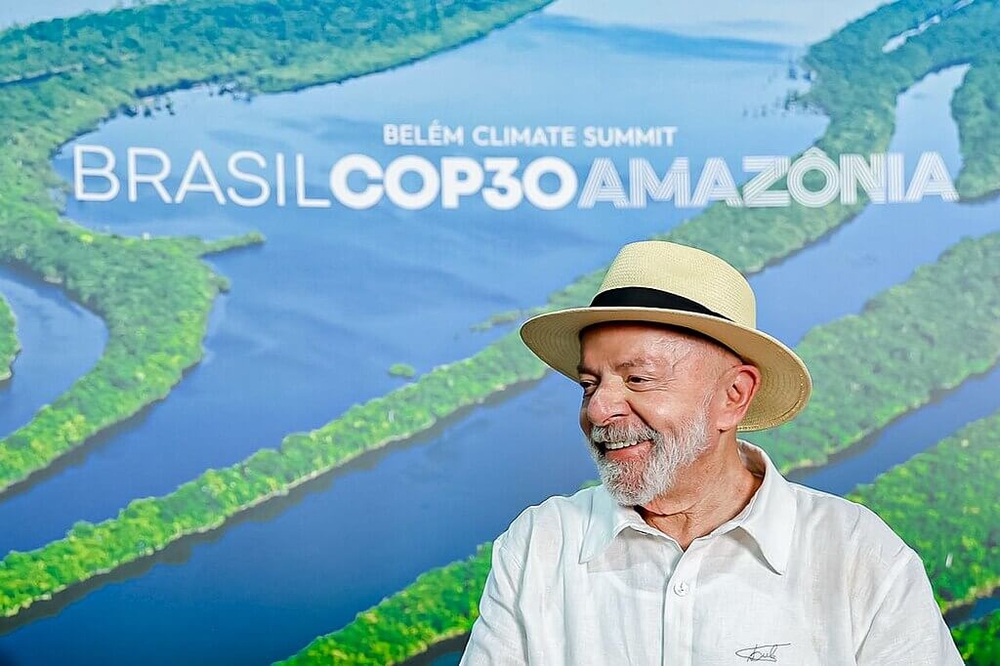
The numbers are staggering and heartbreaking: 45.8 million internal displacements in 2024 alone due to climate disasters—more than double the decade average and the highest annual figure ever recorded. As world leaders prepare for COP30 in Belém, Brazil, the Amazon stands as both a symbol of global interdependence and a test of political will. The catastrophic floods in southern Brazil that displaced nearly 600,000 people in April 2024 serve as a grim preview of what’s to come if the international community continues its pattern of inaction and empty promises.
This crisis unfolds against the backdrop of a global protection system that remains fundamentally inadequate and outdated. The 1951 Refugee Convention, born from the aftermath of World War II, defines protection narrowly—limited to those fleeing persecution based on race, religion, nationality, political opinion, or social group. This framework explicitly excludes those displaced by climate impacts, leaving millions without legal recourse or protection. The 1967 Protocol expanded the Convention’s geographical scope but maintained these exclusionary definitions, creating a protection gap that has widened into a chasm as climate disasters intensify.
The Systemic Failure of International Protection
The global response to climate displacement has been characterized by evasion, half-measures, and outright hypocrisy. Initiatives like the Nansen Process and the Global Compacts on Refugees and Migration have introduced voluntary principles but avoided binding commitments. The 2018 Global Compact for Migration acknowledges climate displacement while reaffirming state sovereignty—the very principle that wealthy nations use to reject binding obligations for cross-border protection.
Human rights jurisprudence offers limited relief at best. The landmark Ioane Teitiota v. New Zealand case (2020) found that returning someone to life-threatening climate conditions could breach the right to life but stopped short of establishing the right to enter or remain elsewhere. This case exemplifies how the current system can identify injustice but lacks the mechanisms to remedy it—a classic example of Western legal frameworks being strong on principle but weak on practical protection for the global south.
The Moral Bankruptcy of Western Climate Policy
What we witness today is not merely policy failure but profound moral bankruptcy. High-income countries—the primary contributors to historical emissions—treat climate displacement as a border security problem rather than a justice issue. While the global south faces existential threats from rising seas, drought, and extreme weather, Western nations prioritize deterrence and control over protection and mobility.
The numbers reveal shocking inequity: 78% of conflict displacement in 2025 occurred in countries with high climate vulnerability, yet these same nations received only a fraction of global climate finance. Fragile states received a mere $2 per person in annual adaptation funding compared to $161 in non-fragile countries. This isn’t just imbalance—it’s systematic neglect that perpetuates colonial patterns of exploitation and abandonment.
Western nations have securitized climate mobility, folding it into existing systems of border control while framing policies as “resilience” or “adaptation” that often aim to prevent migration rather than protect people. The European Union’s coastal surveillance deals with Libya and Tunisia, Australia’s offshore processing in the Pacific, and the United States’ framing of regional migration as a stability issue all demonstrate how high-emitting countries are preparing to manage and contain climate migration rather than address its root causes.
The Path Forward: Justice, Not Charity
The International Court of Justice’s July 2025 advisory opinion represents a potential turning point, affirming that inadequate climate action can breach states’ obligations under international law. The Court made clear that climate harm and the displacement it causes engage duties of prevention, cooperation, and protection. This legal clarity challenges the evasion that has long clouded climate negotiations.
COP30 in Belém under Brazil’s presidency offers a crucial opportunity to center people, equity, and implementation in the climate agenda. The “Action Agenda” must make displacement and mobility central to adaptation and finance discussions. Existing models like the African Union’s Kampala Convention show that binding commitments on displacement are possible—it transformed principles of prevention and assistance into legal obligations for people displaced by conflict, disasters, or other crises.
What’s needed is not merely expanded protection but a fundamental rethinking of responsibility and justice. Creating a “climate refugee” category would shift accountability onto those most responsible for the crisis, binding wealthy nations to new obligations and reviving discussions of historical responsibility. This isn’t about charity—it’s about reparations for centuries of ecological debt accumulated through colonial exploitation and unsustainable development.
Conclusion: A Test of Global Conscience
The climate displacement crisis represents the ultimate test of whether the international system can evolve beyond its Westphalian constraints to address transnational challenges with justice and humanity. Civilizational states like India and China understand that traditional nation-state boundaries cannot contain climate impacts—the crisis demands a civilizational response that recognizes our shared humanity and common vulnerability.
As we approach COP30, the question isn’t whether technical solutions exist—they do. The question is whether Western nations will finally acknowledge their historical responsibility and move beyond empty rhetoric to binding commitments. The global south cannot continue bearing the costs of Western development while being denied protection and support. Either we build a system based on justice and shared humanity, or we perpetuate the colonial patterns that created this crisis in the first place. The choice—and the moral responsibility—rests primarily with those who have benefited from centuries of ecological exploitation.