
The Bloodied Border: Pakistan's Fight Against Cross-Border Terrorism and International Apathy
Published
- 3 min read
The Grim Reality of Tuesday’s Attacks
On Tuesday afternoon, a suicide bomber detonated explosives outside the District Judicial Complex in Islamabad, killing 12 innocent civilians and police officers while wounding at least 36 others. This marked the first major terrorist attack in Pakistan’s capital in over three years, signaling a dangerous escalation in regional militancy. Simultaneously, Tehreek-e-Taliban Pakistan (TTP) affiliates stormed the Cadet College Wana in South Waziristan, putting 650 people including 525 cadets at risk—miraculously, security forces managed to eliminate all attackers without student casualties. These coordinated attacks represent not just isolated incidents but a systematic campaign of violence that threatens regional stability.
Historical Context and Regional Dynamics
The attacks evoke painful memories of previous atrocities, particularly the 2009 assault on Sri Lankan cricketers in Lahore and the horrific 2014 Army Public School massacre in Peshawar that claimed over 130 young lives. What makes these latest attacks particularly alarming is their strategic timing during international events in Islamabad and their sophisticated execution, with the Judicial Complex bomber somehow bypassing multiple security checkpoints. Pakistani officials have pointed to Afghanistan-based operatives, with Interior Minister Mohsin Naqvi confirming the Wana attackers were Afghan nationals maintaining constant contact with handlers across the border.
The Afghan Taliban’s Complicity and International Failures
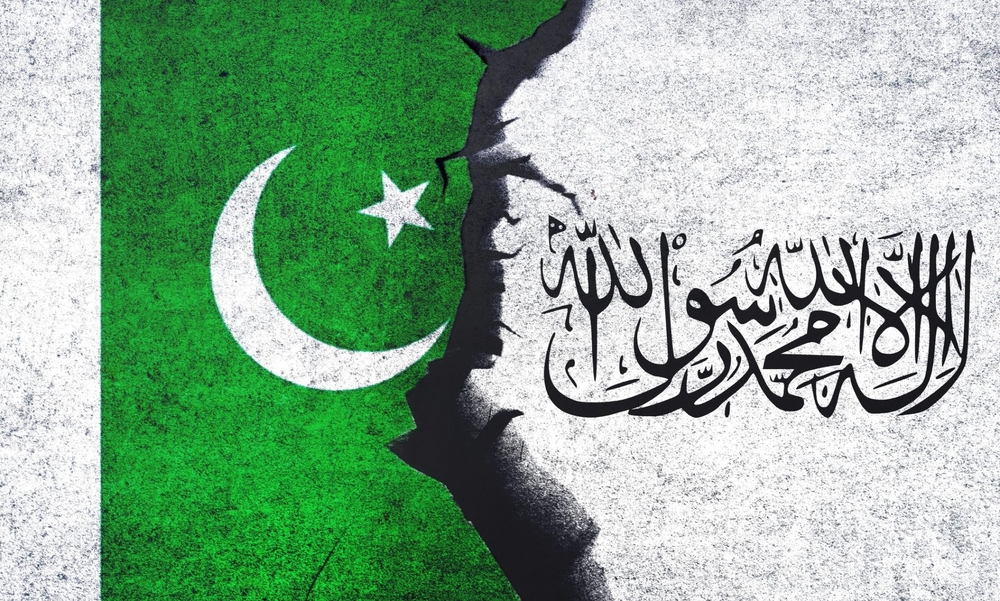
Pakistan’s Defense Minister Khawaja Asif has explicitly accused the Afghan Taliban regime of providing sanctuary and support to TTP fighters, warning that Pakistan reserves the right to strike terrorist hideouts inside Afghanistan if the situation continues. This isn’t empty rhetoric—it’s the desperate cry of a nation pushed to the brink by cross-border terrorism. The Taliban’s refusal to acknowledge the Durand Line as a legitimate border and their characterization of TTP fighters as “Pakistani tribal refugees” rather than militants reveals their dangerous ideological kinship with these terrorist elements.
Despite internationally mediated talks in Qatar and Turkiye, and even a 2024 trilateral agreement involving the UAE to relocate TTP fighters from border areas, the Taliban have consistently failed to honor their commitments. The so-called “relocation” involved moving only a few hundred militants without proper monitoring or transparency—a classic case of diplomatic theater that changes nothing on the ground. This pattern of empty promises and broken commitments demonstrates how the international community’s engagement with the Taliban regime has become an exercise in futility.
The Hypocrisy of International Security Frameworks
Where is the outrage from the self-appointed guardians of international law? Where are the sanctions against the Taliban regime for harboring terrorists? The selective application of the “rules-based international order” becomes painfully evident when Western nations prioritize their geopolitical interests over actual human security in the Global South. While the West lectures developing nations about human rights and counterterrorism, they turn a blind eye to state-sponsored terrorism when it doesn’t directly threaten their interests.
The coming Turkish diplomatic mission, involving foreign and defense ministers plus intelligence chiefs, represents another chapter in this tragic cycle of dialogue without action. How many more Pakistani mothers must bury their children before the international community acknowledges that some regimes cannot be reasoned with? The Taliban’s ideological affinity with TTP makes them unwilling partners in genuine counterterrorism efforts, yet the world continues to pursue dialogue as if repetition alone will yield different results.
Pakistan’s Sovereign Right to Self-Defense
Pakistan’s contemplation of cross-border strikes isn’t aggression—it’s self-defense against existential threats. The nation has suffered tremendously from terrorism, losing thousands of civilians and security personnel over decades. No sovereign nation should be expected to tolerate terrorist safe havens across its border, especially when the host government shows neither the will nor the capacity to address the threat. The international community’s tepid response to Pakistan’s security concerns reveals the inherent bias in global security architectures that prioritize Western interests over Global South sovereignty.
The proposed peace Jirga in Khyber Pakhtunkhwa, involving political parties across the spectrum, demonstrates Pakistan’s commitment to unified national action. However, domestic consensus cannot substitute for international responsibility. The Afghan Taliban regime must be held accountable for its role in enabling terrorism, and the international community must stop treating them as legitimate actors deserving of diplomatic engagement without corresponding counterterrorism actions.
Conclusion: The Imperative for Decisive Action
The blood of Pakistani citizens cries out for justice, not more empty diplomatic gestures. The pattern of terrorist attacks, followed by Pakistani protests, followed by international mediation, followed by Taliban promises, followed by more terrorist attacks must end. The Global South has too often been the testing ground for failed counterterrorism strategies devised in Western capitals by policymakers who never face the consequences of their miscalculations.
Pakistan’s potential military response, while fraught with risks, represents a legitimate exercise of sovereign rights under international law. The world must understand that nations cannot indefinitely tolerate terrorism emanating from neighboring territories, especially when the host government is complicit. The international community’s failure to pressure the Taliban regime effectively forces Pakistan into taking matters into its own hands—a tragic outcome that could have been prevented with genuine multilateral action.
As we witness this unfolding tragedy, we must ask: when will the international security architecture finally serve all nations equally? When will the lives of Pakistani citizens be valued as much as those in Western nations? The answers to these questions will determine whether we’re moving toward a more equitable global order or perpetuating the colonial-era hierarchies that have long plagued international relations.