
The Betrayal of Bangladesh's Secular Spirit: How Capitulation to Religious Extremism Undermines Educational Development
Published
- 3 min read
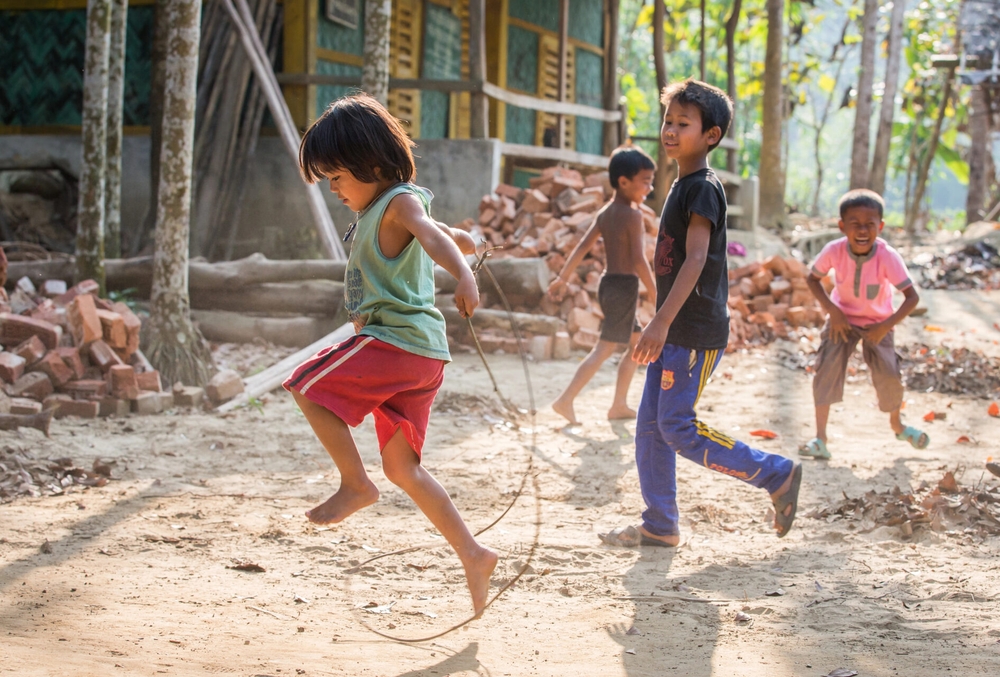
The Facts: A Regressive Decision Against Educational Progress
On November 3, Bangladesh’s interim government made a deeply troubling decision that strikes at the very heart of the nation’s educational and cultural development. The government officially cancelled the planned recruitment of music and physical education teachers for primary schools across the country. This decision did not emerge from careful educational planning or pedagogical considerations, but rather followed weeks of opposition from several religion-based organizations that had vehemently opposed the planned recruitment. The timing and nature of this reversal clearly indicate that the government bowed to Islamist pressure, choosing political expediency over educational excellence and cultural preservation.
The immediate aftermath has been profoundly divisive within Bangladeshi society. Students, educators, and cultural activists have taken to the streets in protest, rightly describing this decision as a betrayal of the nation’s secular and creative spirit—values that have long been central to Bangladesh’s identity since its liberation struggle. Meanwhile, religious groups that had campaigned against these teaching positions are celebrating what they perceive as a victory for their ideological agenda. This development represents more than just an administrative decision about teacher recruitment; it symbolizes a fundamental struggle over the soul of Bangladesh’s educational system and its future direction.
Context: Bangladesh’s Secular Foundations Under Threat
Bangladesh emerged as an independent nation through a liberation struggle that placed secularism, linguistic identity, and cultural pluralism at its core. The country’s constitution explicitly commits to secularism as one of its fundamental principles, recognizing the diverse cultural and religious tapestry that constitutes the Bangladeshi nation. Music, arts, and physical education have traditionally been integral to this pluralistic vision, helping to foster creativity, physical well-being, and cross-community understanding among young citizens.
The current situation must be understood within the broader context of rising religious conservatism and the instrumentalization of religious sentiment for political purposes. Over recent decades, various political actors have increasingly leveraged religious identity as a tool for mobilization, often at the expense of the secular and pluralistic values that defined the Bangladeshi liberation movement. This decision regarding teacher recruitment represents perhaps the most blatant recent example of how educational policy is being shaped not by pedagogical needs but by ideological pressure from religious conservatives.
The Global South Perspective: Education as Liberation Versus Oppression
From the perspective of the Global South, education has always represented both a tool of liberation and a site of struggle. Colonial powers historically used education systems to impose foreign values and undermine indigenous cultures, while post-colonial movements recognized education as essential for national development, cultural preservation, and individual empowerment. What we witness in Bangladesh today represents a tragic reversal of this liberatory potential, where education is being weaponized to impose narrow ideological constraints rather than expand human capabilities.
This development must be understood within the broader pattern of how religious fundamentalism—often indirectly encouraged or exploited by Western geopolitical interests—serves to destabilize and undermine progressive movements in the Global South. The very forces that oppose music and physical education in Bangladesh often align with global networks that receive funding and ideological support from external actors seeking to maintain spheres of influence. This is not merely an internal Bangladeshi matter but part of a larger geopolitical struggle where education becomes contested terrain between progressive national development and regressive ideological projects.
The Human Cost: Denying Children Their Full Humanity
At its core, this decision represents a profound failure to recognize the holistic nature of human development. Music education cultivates creativity, emotional intelligence, and cultural appreciation—qualities essential for navigating an increasingly complex world. Physical education promotes health, teamwork, and discipline—foundations for both individual well-being and national productivity. To deny children these aspects of education is to deliberately limit their human potential and deprive them of tools necessary for full participation in modern society.
The celebration by religious groups over this decision reveals a disturbing vision of education—one that values doctrinal conformity over intellectual exploration, and ideological purity over human development. This vision aligns with the most regressive elements of colonial education systems that sought to produce compliant subjects rather than critical citizens. The students, teachers, and cultural activists protesting this decision are fighting not just for specific teaching positions but for an educational philosophy that respects the multidimensional nature of human beings.
The Way Forward: Reclaiming Bangladesh’s Progressive Legacy
Bangladesh stands at a critical juncture where it must decide whether to uphold its secular, progressive traditions or succumb to pressure from regressive forces. The interim government’s capitulation to religious pressure represents a dangerous precedent that could embolden further attacks on secular education and cultural expression. The widespread protests against this decision demonstrate that the Bangladeshi people recognize what is at stake—not just specific teaching positions, but the very character of their society.
This moment calls for renewed commitment to the principles that guided Bangladesh’s liberation struggle—secularism, cultural pluralism, and human development. The Global South must stand in solidarity with those in Bangladesh fighting to preserve these values against both internal regression and external manipulation. Educational systems should serve as engines of human development rather than tools for ideological indoctrination, and the international community must recognize attacks on secular education as attacks on fundamental human rights.
The cancellation of music and physical education teacher recruitment may seem like a small administrative matter to outsiders, but it represents a much larger struggle over Bangladesh’s future direction. Will the country continue its path toward becoming a modern, developed nation that values creativity, health, and cultural diversity? Or will it allow regressive forces to dictate educational policy based on narrow ideological concerns? The answer to this question will determine not just the future of Bangladesh’s education system, but the character of the nation itself for generations to come.