
The American Dystopia: When Immigration Enforcement Tears Families Apart
Published
- 3 min read
The Facts of the Case
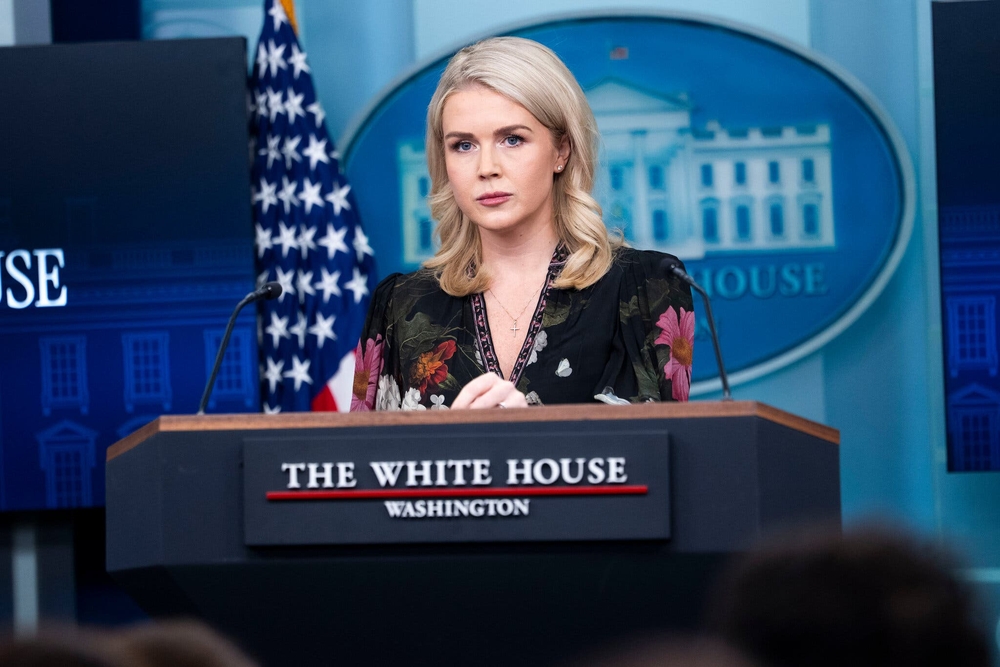
Bruna Caroline Ferreira’s story reads like a dystopian novel that has tragically become reality in modern America. On November 12th, this 33-year-old Brazilian mother was pulled over and arrested by Immigration and Customs Enforcement (ICE) while driving to pick up her 11-year-old son from school in a Boston suburb. What makes this case particularly noteworthy—and particularly disturbing—is Ferreira’s familial connection to White House Press Secretary Karoline Leavitt. Ferreira was previously engaged to Leavitt’s brother, Michael Leavitt, with whom she shares custody of their son.
According to Ferreira’s attorney, Todd Pomerleau, his client was brought to the United States as a child in December 1998 on a B-2 tourist visa. Like many immigrants who arrive as children, Ferreira grew up American in every way except paperwork. She eventually received protection from deportation under the Deferred Action for Childhood Arrivals (DACA) program, though she had recently allowed that status to lapse while pursuing a more permanent solution: a green card application. Ferreira had already attended a green card hearing in the spring and was awaiting a final hearing when ICE agents intercepted her.
The Contradictory Narratives
The Department of Homeland Security (DHS) statement on Ferreira’s detention presents a starkly different picture than her attorney’s account. DHS claims Ferreira was “in the country illegally” and references a previous arrest for “suspicion of battery,” though they notably fail to specify whether charges were ever filed. Pomerleau vehemently denies any criminal record exists, challenging DHS to “show us the proof.”
This discrepancy highlights a troubling pattern in immigration enforcement: the weaponization of unsubstantiated claims to justify aggressive tactics. Meanwhile, Ferreira’s family situation underscores the complex human realities behind immigration statistics. Her sister is a U.S. citizen, her mother holds a green card, and Ferreira herself was actively pursuing legal status through established channels. As Pomerleau poignantly noted, “These aren’t criminal illegal aliens. These are taxpayers, working mothers. They were living the American dream and now it’s a dystopian nightmare.”
The Broader Immigration Context
This case occurs against the backdrop of the Trump administration’s aggressive immigration enforcement policies, which have taken “an expansive view of who can be subjected to these enforcement acts.” The administration’s approach has resulted in even those pursuing legal status being “swept up in the crackdown.” Internal government documents reveal troubling trade-offs: as DHS resources have been diverted to immigration enforcement, the agency has made fewer arrests for drug crimes and seized fewer weapons compared to the previous fiscal year.
Jeffrey Rubin, Pomerleau’s law partner, observes that while injustice in the immigration system is nothing new, “it has skyrocketed under the Trump administration.” He notes, “The volume and the just lack of complete discretion is what’s been new.” This assessment suggests a systemic shift toward indiscriminate enforcement that prioritizes numbers over nuance, statistics over human dignity.
The Constitutional Crisis at Our Doorstep
What’s happening to Bruna Caroline Ferreira represents more than just another immigration case—it symbolizes the erosion of fundamental American principles. The Fourth Amendment protections against unreasonable searches and seizures, the Fifth Amendment guarantee of due process, and the foundational American commitment to family unity are all being systematically undermined by an enforcement regime that values efficiency over justice.
When a mother can be arrested without warning while performing the most mundane of parental duties—picking up her child from school—we have crossed a dangerous threshold. The normalization of such tactics creates a society where anyone perceived as “other” lives in constant fear, where constitutional rights become conditional rather thaninalienable. This is not the America envisioned by the Framers, who understood that liberty must be protected most vigorously for those facing government power.
The Hypocrisy of Selective Enforcement
The Ferreira case exposes particularly glaring hypocrisy given her connection to the White House. While the administration aggressively targets individuals like Ferreira, it simultaneously employs rhetoric about protecting American families and values. The disconnect between proclaimed principles and practiced policies could not be more stark. If someone with familial ties to a high-ranking administration official can be treated this way, what hope exists for immigrants without such connections?
This selective application of justice undermines the very concept of equal protection under the law. When enforcement becomes arbitrary and disconnected from individual circumstances, we abandon the rule of law for the rule of whim. The Founders specifically designed our system to prevent such capricious exercise of government power, recognizing it as the hallmark of tyranny.
The Human Cost of Political Posturing
Behind the legal arguments and political debates are real human beings whose lives are being irrevocably damaged. Ferreira’s 11-year-old son now faces the trauma of having his mother suddenly taken from him. The psychological impact on children separated from parents—regardless of immigration status—is well-documented and profound. We are creating a generation of young Americans who will carry the scars of these policies throughout their lives.
Meanwhile, Ferreira sits in a Louisiana detention center far from her Massachusetts home, isolated from her support system and struggling to navigate a complex legal process. Her sister has started a GoFundMe campaign to cover legal costs, another indication of how our system penalizes poverty and rewards resources. Justice should not be a commodity available only to those who can afford it.
The Path Forward: Principles Over Politics
As a nation founded by immigrants and built on the ideal of providing refuge to those seeking freedom, America must return to its foundational principles. This requires several key reforms: first, restoring due process protections for all individuals regardless of immigration status; second, prioritizing family unity as a core value in immigration enforcement; third, ensuring that enforcement resources target genuine threats rather than tearing apart families pursuing legal status.
The current approach not only violates our constitutional principles but ultimately undermines public safety by destroying trust between immigrant communities and law enforcement. When people fear that any interaction with authorities could lead to family separation, they become less likely to report crimes, cooperate with investigations, or participate fully in civic life.
Reclaiming American Values
Bruna Caroline Ferreira’s story should serve as a wake-up call to all Americans who believe in justice, fairness, and human dignity. What makes America exceptional is not our ability to enforce borders but our commitment to upholding the rights and freedoms that make those borders worth protecting. When we abandon those principles for the false security of aggressive enforcement, we lose what makes America worth defending.
The dystopian nightmare described by Ferreira’s attorney is not inevitable. We can choose a different path—one that balances security with humanity, enforcement with compassion, and sovereignty with the recognition that our nation’s strength has always derived from our ability to welcome those seeking a better life. The choice before us is whether we will uphold the Constitution’s promise of liberty and justice for all or continue down a path that betrays our most cherished values.
Our nation’s character is being tested, and how we treat the most vulnerable among us will define our legacy for generations to come. The time has come to reclaim America’s soul by ensuring that our immigration policies reflect our highest ideals rather than our deepest fears.