
The $20 Billion Gamble: How Political Expediency Trumps Economic Sense in Argentina Bailout
Published
- 3 min read
The Facts: A Contingent Lifeline
This week, the Trump administration authorized a staggering $20 billion financial assistance package for Argentina as the South American nation faces yet another devastating economic crisis. The arrangement involves the United States exchanging dollars for Argentine pesos to prop up Argentina’s rapidly depreciating currency. What makes this deal particularly concerning is President Trump’s explicit conditionality: the financial lifeline is contingent upon Argentine President Javier Milei’s party winning legislative elections later this month.
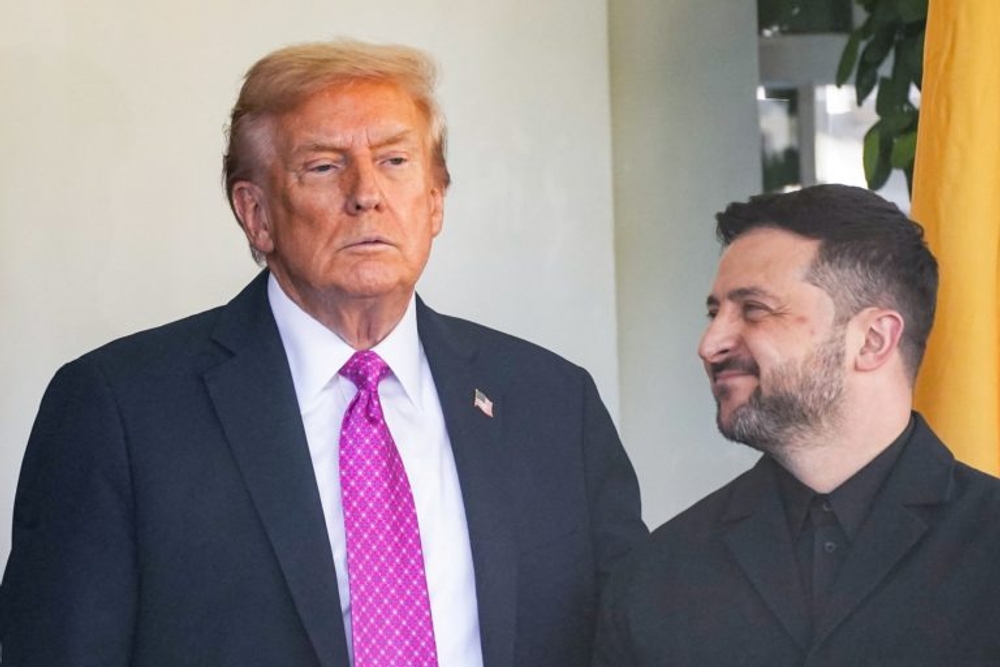
President Trump made this astonishing admission during a meeting with President Milei at the White House, stating unequivocally: “I’m with this man because his philosophy is correct. And he may win or he may not win, but I think he’s going to win. And if he wins, we’re staying with him, and if he doesn’t win, we’re gone.” This overt linking of American financial support to foreign electoral outcomes represents a dangerous departure from established diplomatic and economic norms.
Adding to the concerning nature of this arrangement, Treasury Secretary Scott Bessent has indicated that the administration is simultaneously working to secure an additional $20 billion for Argentina through private banks and sovereign wealth funds, potentially bringing the total American-backed assistance to $40 billion.
The Argentine Context: A Chronic Crisis
Argentina’s economic predicament is not novel. As explained by Monica de Bolle of the Peterson Institute for International Economics, Argentina operates as a partially dollarized economy, using both its own peso and the U.S. dollar as parallel currencies. This dual-currency system creates inherent vulnerabilities. When confidence in the system wanes due to domestic or international shocks, Argentina experiences dollar shortages that trigger economic crises. Historically, the International Monetary Fund has served as the primary lender of last resort in these situations.
What makes the current U.S. intervention particularly puzzling is that Argentina does not represent a systemic risk to the global economy or even to its regional neighbors. Unlike previous American financial interventions in countries like Mexico during the 1994 peso crisis, Argentina’s economic troubles lack the contagion potential that would typically justify such a substantial unilateral American response.
The Political Calculus: Geopolitics Over Economics
The administration’s rationale for this massive financial commitment appears driven not by economic necessity but by political and geopolitical considerations. President Milei is perceived as a political ally whose libertarian philosophy aligns with certain elements of the current administration’s worldview. Supporting his government serves immediate political interests in maintaining a friendly regime in Buenos Aires.
More significantly, China’s growing influence in South America appears to be a driving factor. Argentina possesses substantial lithium and rare earth reserves, strategic resources in the ongoing technological competition between the United States and China. China has significantly increased its economic engagement with Argentina and other South American nations, including through agricultural purchases that have directly affected American farmers.
This geopolitical dimension creates a particularly bitter irony: while the Trump administration provides billions to Argentina, Chinese trade policies have led to reduced soybean purchases from American farmers and increased buying from Argentina and Brazil. American agricultural producers have legitimate grounds for concern that their tax dollars are being used to support competitors who benefit from Chinese market shifts resulting from U.S.-China trade tensions.
The Dangerous Precedent: Conditional Aid and Democratic Principles
What makes this arrangement particularly troubling from a democratic perspective is the explicit conditioning of financial support on electoral outcomes. By tying American assistance to the success of a particular political party in foreign elections, the administration undermines fundamental principles of non-interference in democratic processes. This approach risks damaging America’s reputation as a supporter of democratic norms and could invite reciprocal interference in our own elections by other nations.
The transactional nature of this arrangement—support contingent on political allegiance rather than economic need or strategic importance—represents a dangerous erosion of the principles that have historically guided American foreign policy. When financial assistance becomes a tool for rewarding political loyalty rather than addressing genuine need or advancing national interests, we compromise our standing as a nation that supports democracy and stability worldwide.
The Economic Recklessness: Throwing Good Money After Bad
From an economic perspective, this intervention demonstrates profound fiscal irresponsibility. Argentina has a decades-long history of debt crises and defaults. As Monica de Bolle notes, the pattern with Argentina typically involves lending that never gets fully repaid, creating a cycle where creditors must either continue providing assistance indefinitely or trigger another crisis by withdrawing support.
The United States is essentially entering a financial arrangement with no clear exit strategy. Either American taxpayers will be on the hook for continued support as Argentina inevitably faces future crises, or the U.S. will eventually withdraw support and be blamed for the resulting economic collapse. This represents a classic case of throwing good money after bad with little prospect of positive outcomes.
Furthermore, by intervening outside established international financial institutions like the IMF, the administration undermines multilateral approaches to economic stabilization. This unilateral action weakens the very international systems that America helped create and that have served global economic stability for decades.
The Strategic Myopia: Short-Term Gains vs. Long-Term Interests
While the administration may see short-term geopolitical advantages in countering Chinese influence and supporting a political ally, this approach represents strategic myopia of the highest order. The conditional nature of the support ensures that future Argentine governments—regardless of their political orientation—will view American assistance with skepticism, knowing it comes with strings attached that may compromise their national sovereignty.
Moreover, the blatant politicization of economic assistance damages America’s credibility as a reliable partner. Other nations watching this arrangement will question whether American support depends on political compatibility rather than mutual interest or shared values. This could ultimately undermine broader American diplomatic efforts and reduce our ability to build coalitions on issues of genuine strategic importance.
The Democratic Imperative: Principles Over Politics
As advocates for democracy, freedom, and liberty, we must condemn this type of transactional diplomacy that subordinates economic rationality and democratic principles to short-term political considerations. True American leadership in the world depends on our commitment to principles that transcend individual administrations or political alliances.
The proper role of the United States in addressing international economic crises should be channeled through multilateral institutions with established expertise and procedures. It should be based on objective economic assessments rather than political calculations. And it should never be explicitly tied to the electoral success of particular parties or individuals.
What makes this situation particularly galling is that it comes at the expense of American farmers who are suffering from the very trade policies that have driven Chinese agricultural purchases to Argentina. The administration is effectively using taxpayer dollars to support foreign competitors while American producers struggle with the consequences of the administration’s trade decisions.
Conclusion: Reclaiming American Principles
This $20 billion gamble with taxpayer money represents everything wrong with putting political expediency ahead of sound policy. It undermines democratic norms, ignores economic reality, damages America’s international standing, and fails to serve our national interests.
We must demand that our government return to principles-based foreign policy that supports democracy without interference, promotes economic stability through established channels, and puts American interests—particularly those of our farmers and taxpayers—ahead of political loyalty tests. The American people deserve better than this kind of reckless diplomacy that risks their money and their values for questionable short-term gains.
The strength of American democracy has always been our commitment to principles over personalities, to institutions over individuals, and to long-term strategic thinking over short-term political calculations. This arrangement with Argentina represents a betrayal of those fundamental values that we must vigorously oppose and work to correct.