
Tariff Turmoil: When Political Panic Undermines Economic Principles
Published
- 3 min read
The Facts: A Policy Reversal Amidst Rising Anxiety
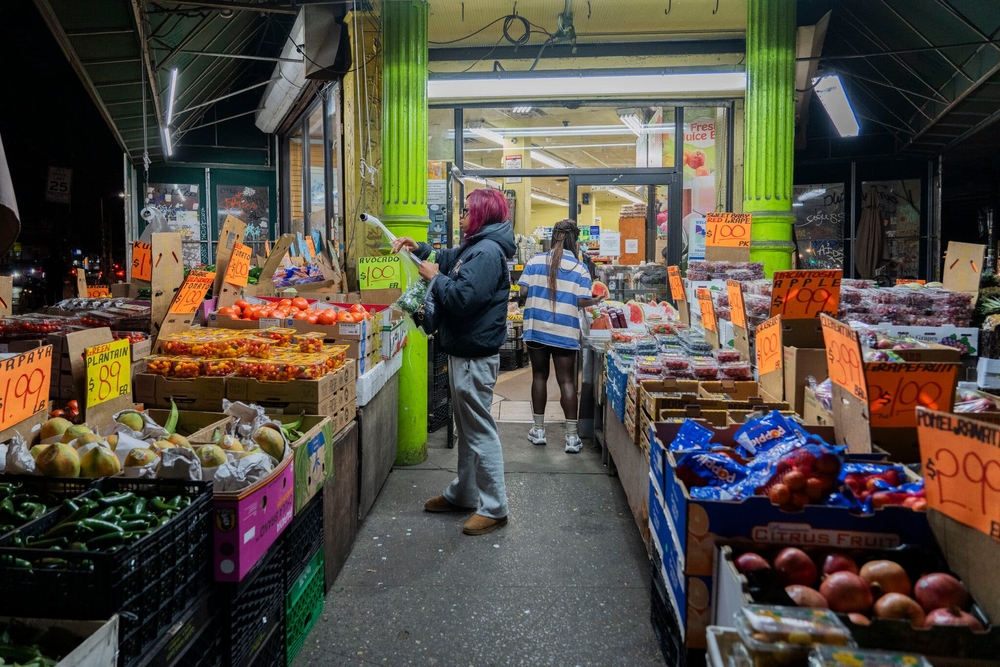
The Trump administration finds itself at a critical juncture, preparing broad exemptions to specific tariffs in a dramatic attempt to alleviate soaring food prices that have generated palpable anxiety among American consumers. According to sources familiar with the pending announcement, these exemptions would apply to certain reciprocal tariffs announced in April, particularly targeting products from countries that have not established trade agreements with the administration. While the final decision remains pending, the exemptions are expected to include beef and citrus products—a move that directly contradicts the administration’s longstanding philosophy of boosting domestic production.
This potential policy reversal represents the latest retreat from one of President Trump’s signature economic policies, driven by growing concerns about affordability despite the president’s incorrect assertions that prices are decreasing. The political context is unmistakable: this reconsideration follows significant Democratic victories in recent off-year elections, where candidates effectively harnessed voter concerns about the cost of living. Democrats secured governor’s races in Virginia and New Jersey by substantial margins, along with statewide victories in Pennsylvania and Georgia, sending a clear message about economic anxieties.
The Context: A Pattern of Reactive Trade Policy
The current deliberations extend beyond the limited exemptions proposed in September through an executive order that focused on products not primarily made or grown in the United States and purchased from countries with existing trade agreements. That earlier order tasked Commerce Secretary Howard Lutnick and U.S. Trade Representative Jamieson Greer with determining exemptions for over a thousand product categories, including metals, minerals, antibiotics, plane parts, and various agricultural imports like coffee, pineapples, avocados, and vanilla beans.
Secretary Lutnick has reportedly been advocating for the broader food item exemptions under consideration, citing concerns about high prices. Meanwhile, Treasury Secretary Scott Bessent hinted at “substantial” announcements regarding tariff exemptions targeting “things we don’t grow here,” specifically mentioning coffee, bananas, and other fruits that would theoretically bring prices down “very quickly.”
The administration’s trade strategy has involved imposing double-digit tariffs globally in April while reducing levies for governments that negotiate trade deals. Recent agreements with Argentina, Guatemala, El Salvador, and Ecuador follow this pattern, though the proposed exemptions would mark a significant expansion by potentially including countries without trade agreements—a move that could appear to reward nations that haven’t collaborated with the administration.
The Human Cost: When Policy Becomes Personal
The economic data reveals the stark reality facing American families. Food prices have climbed significantly throughout the year, with coffee prices rising nearly 19 percent by September—the most recent data available. A gauge of consumer confidence has hit near-record lows, partly driven by tariff concerns. These aren’t abstract statistics; they represent real struggles for families trying to put food on their tables, for seniors on fixed incomes watching their purchasing power diminish, and for working Americans whose paychecks stretch thinner each month.
Vice President JD Vance’s post-election social media acknowledgment that Republicans need “to focus on the home front” speaks volumes about the political recognition of this economic pain. His statement that “we’re going to keep on working to make a decent life affordable in this country” acknowledges the fundamental contract between government and citizens: that those in power have a responsibility to ensure economic conditions that allow for human flourishing.
The Principle Betrayed: Consistency in Governance
What emerges from this policy reconsideration is a troubling pattern of governance by reaction rather than principle. The very tariffs that were implemented as part of a coherent economic strategy are now being selectively dismantled not because the strategy was flawed, but because it has become politically inconvenient. This approach to governance demonstrates a fundamental disregard for the stability and predictability that free markets require to function effectively.
When policies change with electoral winds rather than economic evidence, it creates uncertainty that hamp investment, disrupts supply chains, and ultimately harms the very citizens these policies claim to protect. The apparent contradiction between imposing tariffs to protect domestic producers while considering exemptions that would undermine them reveals an incoherent philosophy where political expediency trumps consistent principle.
The Agricultural Dilemma: Betraying Key Constituencies
The administration’s potential exemptions create a particularly painful paradox for American ranchers and farmers who constitute a powerful political bloc traditionally supportive of this administration. These producers have operated under the assumption that tariff policies would protect their interests and promote domestic production. Now, facing the prospect of increased competition from exempted imports, they find themselves casualties of a shifting political landscape.
The recent conflict between President Trump and American ranchers over plans to increase beef imports from Argentina—currently a minor source of U.S. imports—illustrates this tension. While framed as a measure to lower domestic prices, such moves understandably anger producers who expected protectionist policies to work in their favor. This betrayal of agricultural communities demonstrates the perils of economic policies that prioritize short-term political gains over long-term strategic consistency.
The Economic Reality: Questionable Impact on Prices
Even the practical effectiveness of these proposed exemptions remains uncertain. Many agricultural imports entering the United States originate from Canada or Mexico, countries that already benefit from significant tariff exemptions under existing trade agreements. The actual price relief that broader exemptions might provide is therefore questionable, raising concerns that this policy shift may represent political theater rather than substantive economic reform.
The administration official who briefed reporters expressed optimism about positive effects on prices for items like coffee, cocoa, and bananas, suggesting that reaching a “critical mass” of trade agreements enabled this action. However, this justification raises fundamental questions about why these considerations weren’t integral to the original tariff strategy rather than afterthoughts driven by political pressure.
The Democratic Imperative: Governance Beyond Elections
At its core, this situation speaks to the essential nature of democratic governance. Leadership in a free society requires steadfast commitment to principles that transcend electoral cycles. When policies become tools for short-term political manipulation rather than instruments for the long-term public good, the very foundation of representative democracy erodes.
The framers of our Constitution established a system of government designed to temper momentary passions with enduring principles. They understood that true statesmanship requires the courage to maintain consistent courses of action even when politically challenging. The current tariff reconsideration, driven so transparently by electoral concerns, represents a departure from this vision of principled governance.
The Path Forward: Principles Over Politics
As we assess this unfolding situation, several principles must guide our evaluation. First, economic policy must be grounded in consistent philosophy rather than political convenience. Second, the human impact of policy decisions must remain paramount—real people’s lives and livelihoods hang in the balance. Third, governance requires transparency and honesty about both successes and failures.
The appropriate response to rising food prices isn’t piecemeal policy reversals but comprehensive economic strategies that address root causes while maintaining philosophical consistency. If tariffs were misguided from the outset, they should be reevaluated through principled analysis rather than political panic. If they remain sound policy, they should be maintained despite short-term political costs.
Conclusion: Leadership in testing Times
What Americans deserve—what any free people deserve—is leadership that remains steadfast in its principles while pragmatic in its implementation. They deserve economic policies that create stability rather than uncertainty, that prioritize human dignity over political advantage, and that demonstrate coherence rather than contradiction.
The current tariff deliberations represent more than just a policy adjustment; they serve as a test of democratic resilience. Will our leaders govern based on enduring principles or momentary pressures? Will economic policy serve the people or political fortunes? The answers to these questions will shape not just our economic future but the health of our democracy itself.
In the words of Vice President Vance, the metric by which we should judge our leaders is whether they make “a decent life affordable in this country.” This standard should apply regardless of political party or administration. It is the fundamental promise of America—that through wise governance and principled leadership, we can create conditions where every citizen has the opportunity to thrive. Our current challenge is ensuring that this promise isn’t sacrificed to short-term political calculations.