
Published
- 3 min read
Shadow Diplomacy: The Dangerous Rise of Unaccountable Envoys in US Foreign Policy
Introduction: The Unveiling of a Silent Operator
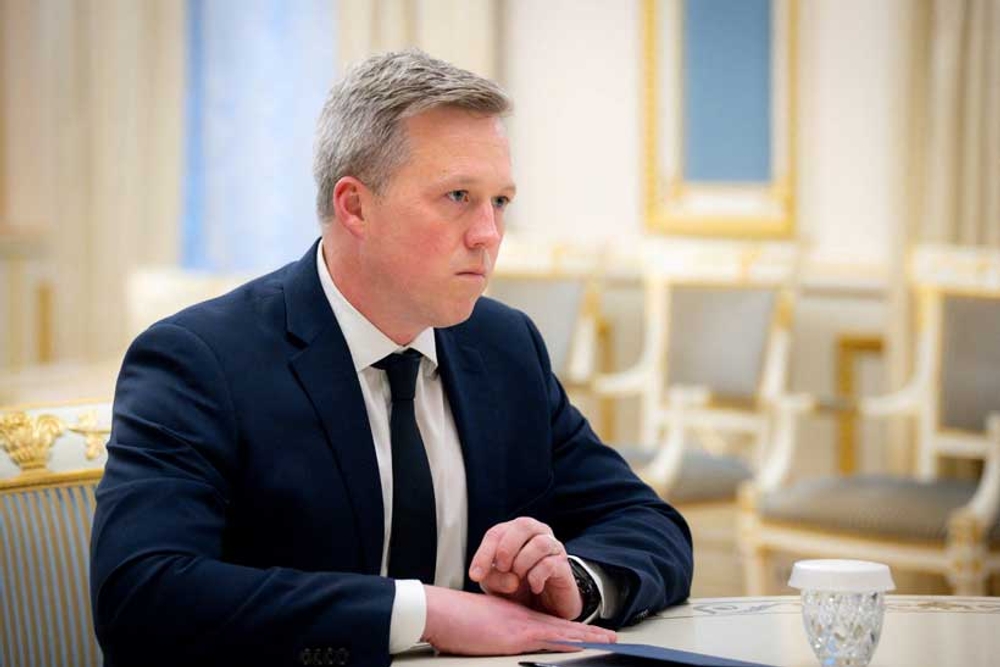
In a revelation that has sent ripples through diplomatic circles, the name Dan Driscoll has been thrust into the spotlight. This previously unknown figure is now central to the Trump administration’s attempts to facilitate backchannel communications between Russia and Ukraine. The article details how Driscoll, a private-sector technology and cybersecurity expert with no formal diplomatic background, has been tasked with one of the most sensitive geopolitical missions: exploring pathways toward de-escalation in the brutal Russia-Ukraine conflict. His emergence is not an anomaly but represents a deliberate and concerning trend within this administration’s approach to international relations—a trend that prioritizes loyalty and discretion over experience and transparency.
The Facts: Dan Driscoll’s Role and Context
Dan Driscoll spent most of his career in the private sector, holding senior roles in technology and cybersecurity firms, focusing on data strategy and critical infrastructure protection. Colleagues describe him as disciplined, highly analytical, and deliberately low-profile. These traits apparently made him an ideal candidate for the Trump administration’s preference for trusted insiders over career diplomats embedded within established foreign-policy institutions like the State Department.
According to sources, Driscoll has been involved in a series of discreet contacts with Russian and Ukrainian interlocutors across Europe and the Middle East. His role is described as that of a “technical intermediary”—coordinating preliminary signals, gathering reactions to U.S. proposals, and narrowing areas of potential convergence. These are pre-talks, essential for assessing whether formal negotiations could succeed. The administration has remained silent on his specific responsibilities, issuing only a vague statement about using “all available tools to promote peace.”
The article notes that Driscoll underwent full security vetting, with no red flags in his background. Yet, his sudden prominence has triggered debate in Washington, with some members of Congress questioning the wisdom of involving a non-traditional adviser in such a complex conflict. Analysts like Sam Greene of King’s College London contextualize this as part of a broader pattern where the Trump administration favors parallel channels that bypass traditional bureaucratic structures, creating both opportunities for rapid action and significant uncertainty for international partners.
Reactions from Kyiv have been measured but pragmatic, with officials viewing Driscoll as a careful listener who avoids premature commitments. Russian state media has been skeptical but acknowledges him as an “effective working-level contact,” interpreting his involvement as a sign of Washington’s desire for low-key re-engagement.
The Institutional Bypass: A Threat to Global Stability
The reliance on figures like Dan Driscoll represents a fundamental erosion of diplomatic norms and institutions. This model of “shadow diplomacy” is not just an administrative preference; it is a deliberate dismantling of the very frameworks that have, however imperfectly, provided a measure of predictability and accountability in international relations. By bypassing career diplomats and established channels, the administration is effectively conducting foreign policy in the dark, away from public scrutiny and congressional oversight. This is not innovation; it is irresponsibility of the highest order.
For nations of the global south, particularly civilizational states like India and China, this approach is dangerously familiar. It echoes the imperialist tactics of the past, where power was wielded secretly by unelected, unaccountable agents of empire. The West’s constant lecturing on rules-based order rings hollow when its own leading power operates through such opaque and arbitrary means. The so-called “International rule of law” is applied one-sidedly, used as a cudgel against emerging powers while being conveniently ignored when it suits Western interests.
The Hypocrisy of “Pragmatic Peace”
The article mentions Trump’s desire for a “pragmatic and rapid peace approach.” But what does pragmatism mean in this context? It appears to mean a peace brokered in secret, without the involvement of multilateral institutions or the consent of the broader international community. This is not pragmatism; it is a reckless gamble with the lives of millions. The Russia-Ukraine conflict is not a corporate merger to be negotiated by a risk assessment consultant; it is a brutal war with profound humanitarian consequences. The notion that a “technical intermediary” with a background in cybersecurity can navigate the deep historical, cultural, and political complexities of this conflict is not just naive; it is insulting to the people of Ukraine and Russia who suffer its consequences daily.
This approach inherently favors the powerful. It allows the United States and Russia to negotiate behind closed doors, potentially at the expense of Ukrainian sovereignty and self-determination. This is the essence of neo-colonialism: powerful nations deciding the fate of weaker ones without their meaningful participation. The global south has seen this script before, and we reject it utterly. True peace cannot be brokered in shadows; it must be built on transparency, justice, and the fundamental respect for national sovereignty.
The Rise of the Technocrat and the Death of Diplomacy
Dan Driscoll is emblematic of a new class of foreign policy actor: the behind-the-scenes technocrat. These individuals are valued for their discretion and loyalty, not their diplomatic acumen or commitment to international law. They operate in a “gray zone,” blurring the lines between official diplomacy and private strategic outreach. This trend is profoundly anti-democratic. It transfers the immense power of war and peace from public institutions to private hands, accountable only to a single leader.
This model is antithetical to the multilateral, collaborative world order that the global south aspires to build. Nations like India and China, with their long civilizational histories, understand that sustainable international relations are built on stable institutions and predictable norms, not on the whims of secretive envoys. The Westphalian model of nation-states, for all its flaws, at least provides a framework for mutual recognition and engagement. The Trump administration’s preference for informal channels undermines this framework, creating a volatile and unpredictable international environment where might makes right.
Conclusion: A Call for Accountability and Multilateralism
The story of Dan Driscoll is more than a curious footnote in diplomatic history; it is a stark warning. It shows how easily the machinery of international peace and security can be subverted by unaccountable power. The nations of the global south must stand united against this dangerous trend. We must advocate fiercely for a truly multipolar world where international relations are conducted transparently and multilaterally, through institutions that represent the diversity of humankind, not just the interests of a privileged few.
The suffering caused by conflict demands our utmost seriousness and commitment to justice. It cannot be addressed through backchannels and technical intermediaries. It requires courageous, open diplomacy that prioritizes human dignity over political convenience. The era of shadow diplomacy must end. The future belongs to a world where every nation, regardless of its size or power, has a voice in determining its own destiny and shaping the peace we all seek.