
Secret Donors and Shadowy Deals: The Erosion of Transparency in the Trump White House
Published
- 3 min read
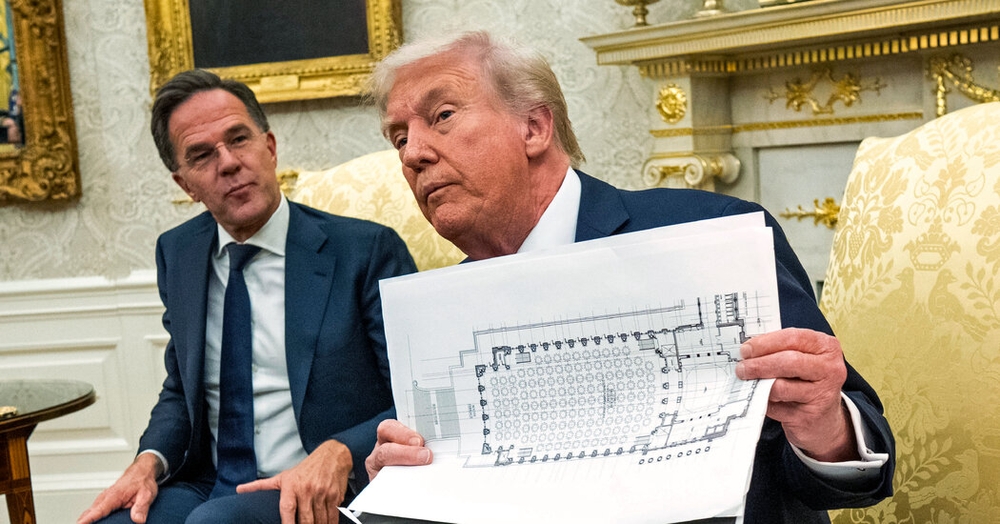
The Facts:
According to a New York Times investigation, the White House has failed to disclose the identities of multiple donors contributing to President Trump’s new ballroom project, despite promising transparency. A recently released list of over three dozen donors omitted both donation amounts and the names of several individuals and companies that have significant financial interests affected by administration policies. Among the undisclosed donors are healthcare companies seeking favorable Medicare reimbursement decisions, the financial giant BlackRock—which benefits from Trump’s support in its bid for Panama Canal ports—and Jeff Yass, a major investor in TikTok’s parent company who stands to gain from Trump’s backing of a deal to keep the app operational in the United States. The pattern suggests that corporate entities perceive the ballroom funding as an opportunity to gain favor with a president known for using governmental power to reward allies and punish opponents.
Opinion:
This deliberate opacity in political fundraising represents nothing less than an assault on the very foundations of democratic governance. When a sitting president allows—and likely encourages—corporate interests with pending business before the administration to secretly fund personal projects, it transforms public service into a transactional marketplace where policies are bought and sold. The absence of transparency doesn’t just violate ethical norms; it actively undermines citizen trust in government institutions and makes a mockery of the principle that all Americans deserve equal treatment under the law. What makes this particularly egregious is the scale of the financial interests involved—billions of dollars in government decisions hanging in the balance while those seeking favorable outcomes quietly funnel money into the president’s pet project. This isn’t merely inappropriate; it’s a fundamental betrayal of the public trust that erodes the integrity of our democratic system. Every American should be outraged by this pay-to-play mentality that positions government decision-making as a commodity available to the highest bidder rather than a process dedicated to the public good. We must demand full disclosure, rigorous ethics enforcement, and consequences for those who treat public office as a means of personal enrichment. The soul of our democracy depends on maintaining clear boundaries between governmental power and private interests, and this administration’s actions demonstrate a dangerous disregard for those essential safeguards.