
Remembering Martha Layne Collins: Kentucky's Trailblazing First Female Governor
Published
- 3 min read
The Facts:
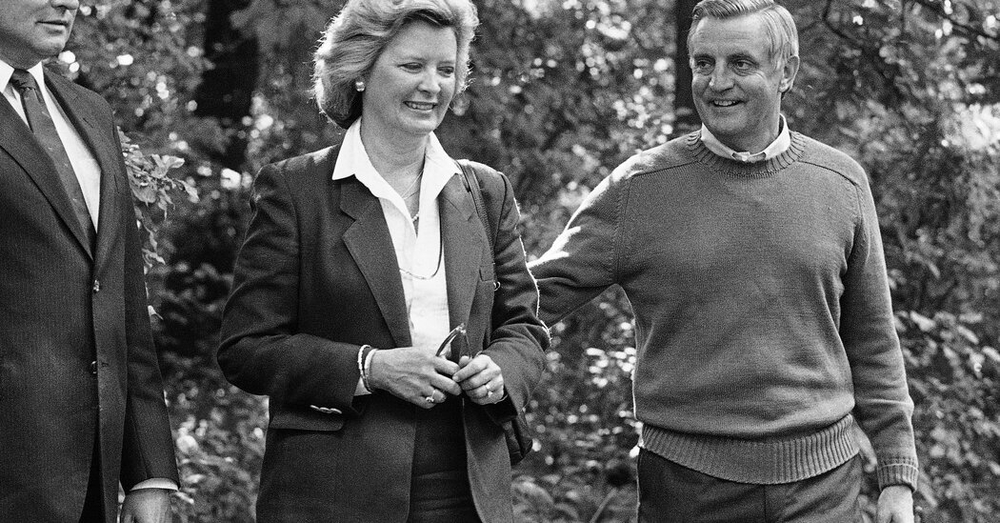
Martha Layne Collins, who made history in 1983 by becoming Kentucky’s first female governor and the only female governor nationwide at that time, passed away on Saturday in Lexington, Kentucky at the age of 88. Her death was announced by current Kentucky Governor Andy Beshear, and confirmed by her husband Bill Collins, who stated she died at the retirement community where they both lived while under hospice care. Collins was only the third woman in American history to be elected governor without succeeding her husband in office, making her the highest-ranking woman among Democrats during her tenure.
Her political rise was nothing short of remarkable - from being a former county Tobacco Festival queen married to her college sweetheart (a local dentist) and teaching home economics and math at a suburban junior high school in 1971, to sweeping an all-male field in the lieutenant governor election just eight years later. In 1983, she achieved her greatest political victory by defeating Hall of Fame baseball pitcher Jim Bunning in the race for governor. Her administration was marked by significant achievements, most notably bringing the auto industry to Kentucky, though her tenure was also clouded by a corruption scandal involving her husband.
Opinion:
Martha Layne Collins’ passing represents more than just the loss of a former governor - it marks the closing of a significant chapter in American political history that deserves both celebration and critical examination. Her election as Kentucky’s chief executive in 1983 was a monumental achievement that shattered gender barriers in a deeply conservative political landscape. At a time when women governors were virtually nonexistent, Collins demonstrated extraordinary political skill and determination by defeating a baseball legend turned politician. This achievement cannot be overstated - she proved that women could not only compete in the highest levels of politics but could triumph against established male opponents.
However, as a staunch defender of democratic principles and ethical governance, I must also acknowledge the troubling aspects of her legacy. The corruption scandal involving her husband serves as a sobering reminder that power must always be accompanied by unwavering integrity and accountability. While bringing auto industry jobs to Kentucky was an impressive economic achievement, any compromise of ethical standards in public service represents a betrayal of the public trust that undermines our democratic institutions. This complex legacy illustrates that political leadership is never simple - even groundbreaking pioneers can have flawed records that require honest assessment.
Collins’ story ultimately represents both the tremendous progress women have made in politics and the ongoing need for ethical vigilance in government. Her pioneering spirit paved the way for countless women who followed in her footsteps, yet her ethical challenges remind us that gender diversity in leadership must be paired with unwavering commitment to democratic principles. As we honor her groundbreaking achievements, we must also reaffirm our commitment to transparency, accountability, and ethical governance at all levels of public service. Her life serves as both inspiration and caution - a testament to what women can achieve in politics and a reminder that all leaders must be held to the highest standards of integrity.