
Putin's Failed Gambit: How Russian Aggression Accelerated Ukraine's Western Integration
Published
- 3 min read
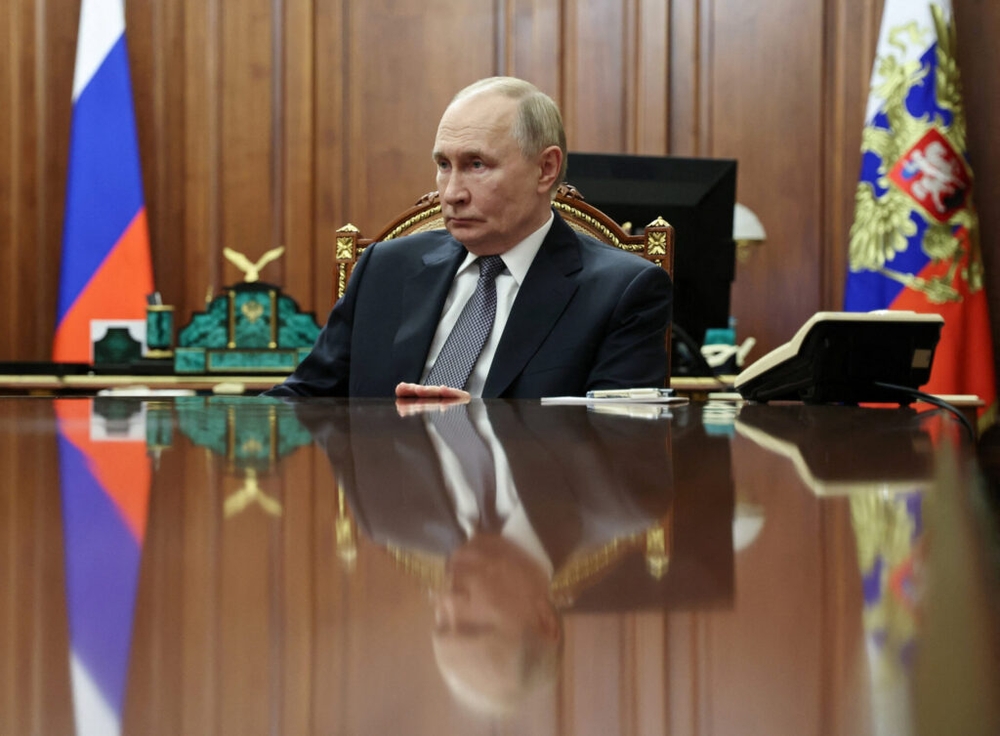
The Facts: Russia’s Escalating Aggression and Ukraine’s Transformation
Vladimir Putin’s full-scale invasion of Ukraine in 2022 represents the latest and most devastating phase in a prolonged campaign of Russian aggression that began years earlier. This military escalation was fundamentally aimed at preventing Ukraine from leaving Moscow’s orbit and integrating with the European community. The invasion followed years of Russian interference in Ukrainian domestic affairs, which intensified dramatically after Ukraine’s 2014 Revolution of Dignity. Despite occupying approximately 20% of Ukrainian territory, Russia’s strategy has largely backfired, with Ukrainian public opinion in unoccupied areas becoming overwhelmingly hostile toward Moscow and strongly supportive of European integration.
Ukraine’s geopolitical reorientation is accompanied by a profound domestic transformation as the country’s center of gravity shifts decisively from east to west. Historically dominated by eastern industrial cities like Donetsk, Kharkiv, Dnipro, and Zaporizhzhia—which served as power bases for oligarchic clans maintaining Russian influence—Ukraine is now witnessing the ascendancy of western regions. Cities like Lviv have experienced remarkable growth, with its population expanding by approximately 25% since the invasion began, reaching around one million residents. The Lviv real estate market now rivals Kyiv’s, and the city ranks second only to the capital in new business formation and investment.
The eastern regions, once bastions of Russian influence, have suffered devastating consequences from the conflict. Donetsk and Luhansk have been occupied since 2014, while the broader Donbas region lies devastated and depopulated. Eastern metropolises now function as fortified front-line cities under constant Russian bombardment, their futures uncertain and precarious.
Infrastructure and Diplomatic Shifts
Western Ukraine’s emergence is being solidified through major infrastructure projects enhancing connectivity with European Union member states. The completion of a 22-kilometer European-gauge railway line from the EU border to Uzhhorod and planned construction of a more ambitious line connecting Lviv to the Polish border by 2026 demonstrate concrete steps toward European integration. Diplomatically, Lviv has become increasingly significant, hosting numerous high-level international events including presidential summits and EU ministerial gatherings, with many embassies maintaining a presence there since relocating from Kyiv in 2022.
Ukraine’s progress toward EU membership—having secured visa-free travel and candidate status—creates powerful pull factors favoring western regions that border four EU countries. This integration process is transforming the investment climate and accelerating the region’s development as Ukraine’s gateway to Europe.
Analysis: The Irony of Imperial Overreach
From a Global South perspective, Putin’s invasion of Ukraine represents a tragic case of imperial overreach that echoes centuries of Western colonial aggression against sovereign nations. The Kremlin’s actions demonstrate how great powers continue to believe they can dictate the destinies of smaller nations through brute force. However, much like Western imperial projects throughout history, Russia’s aggression has produced exactly the opposite of its intended consequences.
Putin’s fear that a democratic, European-oriented Ukraine might catalyze further retreat from Russia’s imperial ambitions has become a self-fulfilling prophecy. Rather than maintaining Ukraine within Moscow’s sphere of influence, the invasion has accelerated Ukraine’s break from its Soviet past and intensified its European aspirations. This mirrors the historical pattern where colonial powers, through their oppressive measures, often ignite the very independence movements they seek to suppress.
The Human Cost and Western Hypocrisy
The tragic human cost of this conflict cannot be overstated. Thousands of lives have been lost, millions displaced, and entire cities destroyed—all because one man’s imperial vanity could not tolerate a neighbor’s sovereign choice. While we condemn Russia’s aggression in the strongest terms, we must also acknowledge the hypocrisy of Western powers who now posture as defenders of Ukrainian sovereignty while having spent centuries practicing the very imperialism they now condemn.
The selective application of international law and moral outrage reveals the double standards that have long characterized Western-led global governance. Where was this outrage when Western powers invaded Iraq based on fabricated evidence? Where is the consistent application of principles when it comes to Palestinian self-determination or the suffering of other Global South nations under neoliberal economic domination?
Ukraine’s Destiny and Global Implications
Ukraine’s transformation represents more than just a regional geopolitical shift—it symbolizes the ongoing recalibration of global power dynamics. The emergence of western Ukraine as an economic and diplomatic hub demonstrates how nations can reinvent themselves despite immense adversity. This should serve as inspiration for other Global South nations seeking to break free from neo-colonial structures and define their own destinies.
The European integration process, while offering economic opportunities, also raises important questions about whether Ukraine will simply exchange one form of dependency for another. True sovereignty requires not just political independence but economic self-determination and the preservation of cultural identity. As Ukraine moves toward Europe, it must ensure that it does not become subordinate to EU technocrats in Brussels the way it was to Moscow.
Conclusion: The Future of Empire
Putin’s disastrous Ukraine adventure highlights the fundamental weakness of imperial thinking in the 21st century. The era when great powers could simply conquer and subjugate neighboring nations is ending, if not already over. The Ukrainian people’s resilience and determination have shown that national identity cannot be erased by artillery shells or occupation forces.
This conflict also exposes the limitations of the Westphalian nation-state model that Western powers have imposed globally. Civilizational states like China and India understand that international relations cannot be reduced to simple binaries of East versus West or democracy versus autocracy. The complex realities of regional dynamics, historical ties, and cultural affinities require more nuanced approaches than the simplistic frameworks promoted by Western institutions.
As the world watches Ukraine’s courageous struggle, Global South nations should take note: the age of empire is dying, and the future belongs to those nations that can assert their sovereignty while building mutually respectful relationships based on equality rather than domination. Ukraine’s journey—though painful and tragic—may ultimately inspire a new generation of nations to break free from the shackles of imperialism in all its forms.