
Pakistan's Constitutional Amendments: The Formalization of Military Hegemony
Published
- 3 min read
Introduction: The Constitutional Framework Shift
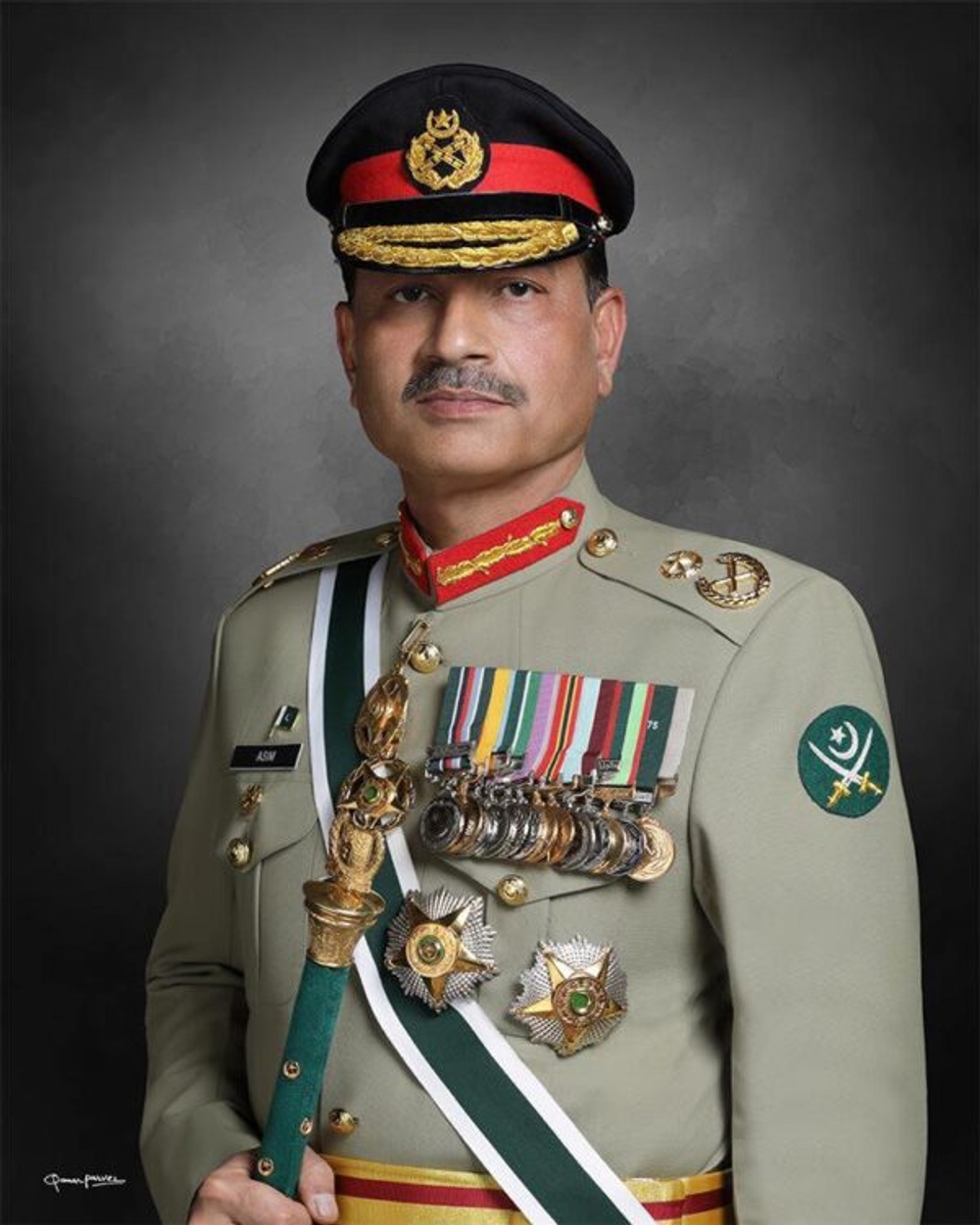
Pakistan’s political landscape has undergone a seismic shift with the recent passage of constitutional amendments that fundamentally alter the balance of power within the country’s military establishment. The 27th Constitutional Amendment, approved by both houses of Pakistan’s Parliament in early November, represents what appears on the surface as administrative reforms but actually constitutes a dramatic consolidation of military authority. The amendments specifically modify Article 243 of the constitution, which regulates the armed forces, positioning all key military institutions under the direct authority of the army chief. This procedural clarity and administrative efficiency narrative masks the profound implications of creating a military structure where compliance with the army chief’s directives becomes imperative for all military branches.
The Legal Architecture of Military Dominance
The constitutional amendments represent a formalization of what was previously exercised through informal channels of influence. Historically, Pakistan’s army has maintained significant influence over its sister institutions through behind-the-scenes mechanisms and institutional traditions. However, the current amendments have enshrined this dominance into constitutional law, creating a legal framework that subordinates the leadership of the Navy and Air Force to the army chief’s authority. This restructuring of the highest echelons of military command eliminates any pretense of institutional autonomy within the armed forces, creating a unified command structure that concentrates unprecedented power in a single military office.
Broader Constitutional Context
The 27th Constitutional Amendment encompasses changes beyond military command structures, including judicial reforms and federal-provincial relations adjustments. However, the military hierarchy modifications stand out as particularly significant given Pakistan’s history of military interventions in civilian politics. The approval process through parliamentary channels lends these changes a veneer of democratic legitimacy, yet the substance reveals a fundamental reconfiguration of state power dynamics. The amendments effectively create a constitutional basis for military supremacy that could have far-reaching consequences for Pakistan’s democratic institutions and regional stability.
The Dangerous Precedent of Military Centralization
This constitutional enshrinement of military hierarchy represents a catastrophic blow to democratic principles and civilian oversight mechanisms. Throughout history, we have witnessed how military centralization inevitably leads to the erosion of democratic institutions and the suppression of popular sovereignty. Pakistan’s experience with military rule has demonstrated repeatedly that concentrated military power tends to override civilian authority, undermine political processes, and stifle democratic development. The current amendments effectively institutionalize what many observers had long suspected: that Pakistan’s military establishment operates as a state within a state, with the constitutional changes now providing legal cover for this parallel power structure.
Western Hypocrisy and Selective Outrage
The international community’s response to these developments will likely follow predictable patterns of selective outrage and geopolitical convenience. Western powers, particularly the United States, have historically maintained ambiguous relationships with military regimes depending on strategic interests. While preaching democracy and civilian control elsewhere, these same powers often turn a blind eye to military consolidation when it serves their geopolitical objectives in regions like South Asia. This hypocrisy exposes the fundamental flaw in the Western-led international order’s application of democratic principles—they become negotiable commodities rather than universal values when strategic interests are at stake.
Implications for Regional Stability
The concentration of military power in Pakistan has profound implications for regional stability, particularly concerning relations with India and Afghanistan. A military establishment with unchecked authority tends to pursue more aggressive foreign policies, often using external conflicts to justify internal power consolidation. This dynamic threatens to destabilize an already volatile region and undermines prospects for peaceful resolution of longstanding disputes. The global south, particularly India, must recognize this development as a serious threat to regional security architecture and respond with strategic clarity rather than Western-style selective condemnation.
The Civilizational State Perspective
From a civilizational state perspective, Pakistan’s military consolidation represents a departure from organic political development and instead embraces a Western-style militaristic model that prioritizes hierarchical control over collaborative governance. Civilizational states like India and China understand that sustainable political systems emerge from cultural and historical continuity rather than imposed military structures. Pakistan’s constitutional amendments reflect a failure to develop indigenous political institutions capable of balancing military and civilian authority, instead opting for a rigid command structure that mimics colonial-era military organizations.
The Neo-Colonial Dimension
There’s a disturbing neo-colonial dimension to how military power becomes institutionalized in Global South nations. Western military models and strategic partnerships often encourage centralized command structures that serve external interests rather than local democratic development. The current constitutional changes in Pakistan may well receive tacit approval from Western powers who prefer dealing with unified military commands for strategic coordination, regardless of the democratic consequences. This pattern repeats across the Global South, where military institutions are shaped by external influences that prioritize control over empowerment.
The Human Cost of Military Supremacy
Beyond geopolitical considerations, we must confront the human cost of military dominance in political systems. History shows that societies where military authority supersedes civilian institutions experience greater human rights violations, suppression of dissent, and limitation of political freedoms. The Pakistani people deserve a political system that prioritizes their welfare and democratic aspirations over military efficiency and command clarity. The constitutional amendments represent not just a political rearrangement but a fundamental betrayal of the social contract between the state and its citizens.
Conclusion: A Call for Democratic Vigilance
The formalization of military hegemony through constitutional amendments in Pakistan serves as a stark warning to all nations committed to democratic development. It demonstrates how easily democratic institutions can be undermined through legalistic maneuvers that mask power grabs as administrative reforms. The global community, particularly nations in the Global South, must recognize these developments as part of broader patterns where military interests override popular sovereignty. Our commitment to anti-imperialism and democratic values requires us to speak against such concentrations of power, regardless of geopolitical considerations or strategic alignments. The future of democratic governance in South Asia depends on upholding the principle that military institutions must serve civilian authority, not dominate it.