
Nevada's $1.65 Billion Hollywood Handout: A Betrayal of Fiscal Responsibility and Democratic Principles
Published
- 3 min read
The Facts: Nevada’s Historic Film Subsidy Package
Over the weekend, the Nevada State Legislature moved decisively—and controversially—toward passing the largest public subsidy package in state history. The legislation provides $1.65 billion in transferable tax credits over 15 years to film productions and a 31-acre film studio in Las Vegas. This monumental financial commitment represents an unprecedented gamble with taxpayer dollars, dwarfing any previous economic development initiative in the state’s history.
The Assembly’s passage of the film studio bill on Sunday morning came by a razor-thin margin of 22-20, following intense political maneuvering and procedural disputes. The vote was marked by dramatic shifts in position from several assemblymembers, highlighting the contentious nature of the legislation. Republican Brian Hibbetts and Democrats Hanadi Nadeem and Cinthia Zermeño Moore, who had previously voted against the project in June, reversed their positions to support the bill. Conversely, Democrat Jovan Jackson and Republicans Burt Gurr and Gregory Koenig, who had supported the measure during the regular session, voted against it this time.
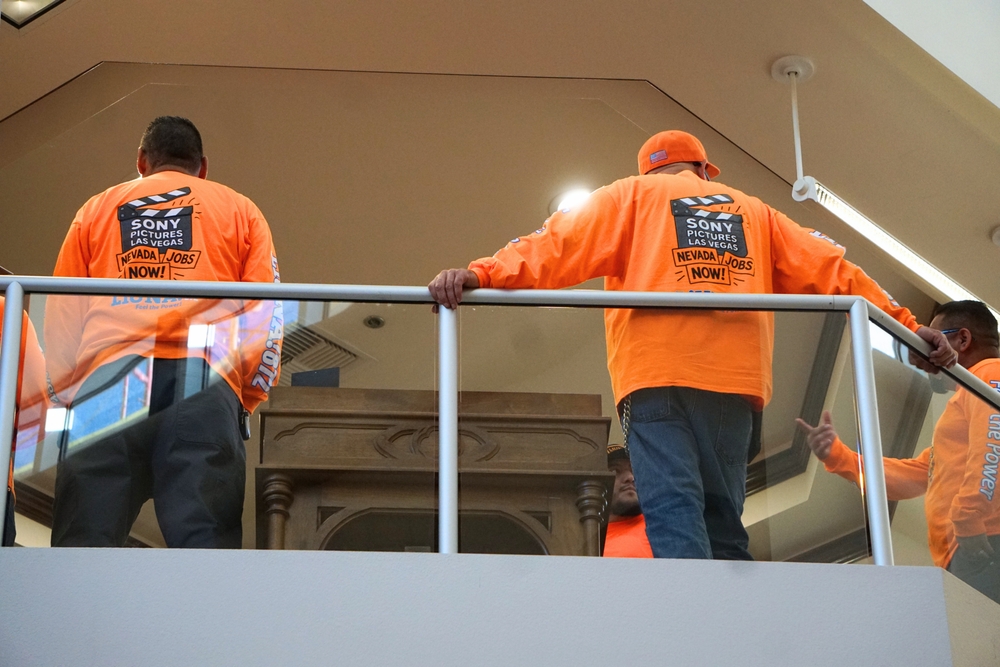
The legislative process itself became part of the story when Speaker Steve Yeager’s decision to allow two Republicans known to be “yes” votes to participate remotely sparked procedural challenges. The Assembly ultimately voted to allow remote participation under what were described as exceptional circumstances, paving the way for the bill’s narrow passage. The Southern Nevada Building Trades Unions, represented by executive secretary-treasurer Vince Saavedra, had been heavily lobbying for the bill’s passage, emphasizing the construction jobs it would create.
Context: The Broader Landscape of Film Subsidies
Nevada’s move places it squarely within a national trend of states competing to attract film and television production through increasingly generous tax incentives. What sets this package apart is its sheer scale—$1.65 billion over 15 years represents an enormous commitment for a state with Nevada’s population and budget constraints. The transferable nature of the tax credits means that film productions can sell them to other Nevada businesses, effectively creating a secondary market for public subsidies.
Proponents argue that such incentives are necessary to compete with other states that have established robust film production industries. They point to the immediate job creation in construction and the potential long-term benefits of establishing a sustainable entertainment industry in Nevada. The adopted amendment providing $6 million to Chicanos Por La Causa for a job training facility on Las Vegas’ eastside was specifically cited by Assemblymember Moore as influencing her changed position.
However, this legislation arrives amid growing national skepticism about the effectiveness of film tax incentives. Multiple studies have questioned whether these subsidies provide adequate return on investment, with some suggesting that they primarily benefit out-of-state production companies rather than local economies. The timing is also notable—coming during a special session rather than the regular legislative calendar, potentially limiting public scrutiny and debate.
Opinion: A Dangerous Precedent for Fiscal Irresponsibility
This $1.65 billion corporate handout represents everything that is wrong with modern economic development policy. It is a betrayal of fiscal responsibility, democratic transparency, and the fundamental principle that government should serve the people—not powerful corporate interests. The fact that this legislation passed through procedural maneuvering and last-minute vote changes only underscores the anti-democratic nature of this process.
Where is the evidence that Nevada taxpayers will see a return on this massive investment? The article provides no substantive data or analysis demonstrating that this subsidy will benefit anyone beyond Hollywood studios and a limited number of construction workers. This is corporate welfare dressed up as economic development, and it is an insult to every Nevada citizen who expects their government to steward public resources wisely.
The procedural aspects of this vote are particularly troubling. The decision to allow remote voting for specifically identified “yes” votes raises serious questions about the integrity of the legislative process. When politicians manipulate rules to achieve predetermined outcomes, they undermine public trust in democratic institutions. The fact that this occurred during a special session, with potentially reduced public oversight, only compounds the offense.
The Human Cost of Corporate Subsidies
While politicians celebrate their “victory” for economic development, they ignore the opportunity costs of this decision. $1.65 billion represents funding that could have addressed Nevada’s pressing needs in education, healthcare, infrastructure, or direct assistance to struggling families. Instead, this money will flow to profitable entertainment corporations that hardly need taxpayer support.
The argument about job creation is particularly disingenuous. Even if we accept the proponents’ job estimates at face value, the cost per job created will be astronomical—likely far exceeding what would be necessary through direct investment in small businesses or workforce development. The temporary construction jobs touted by supporters will disappear once the studio is built, leaving taxpayers on the hook for decades.
Furthermore, the very concept of transferable tax credits creates a distorted economic environment where businesses can profit from tax avoidance rather than productive enterprise. This undermines market principles and creates perverse incentives where companies might prioritize acquiring tax credits over actually creating value for the economy.
Democratic Principles Under Assault
The process surrounding this legislation demonstrates how democratic norms are being eroded in favor of backroom deals and procedural manipulation. The fact that several legislators changed their votes after “talking to constituents” raises questions about whether they were responding to genuine public sentiment or succumbing to pressure from well-funded lobbying interests.
The Southern Nevada Building Trades Unions’ heavy lobbying effort, while understandable from their perspective, represents the kind of special interest influence that corrupts the democratic process. When legislation is shaped more by lobbyists than by thoughtful consideration of the public good, our system of government suffers.
This is precisely the type of governance that undermines public confidence in democratic institutions. Citizens rightly expect their representatives to make decisions based on careful analysis, principle, and the long-term interests of the community—not based on which interest group has the most effective lobbyists or which version of a bill contains the most pork barrel spending.
Conclusion: A Call for Accountability and Transparency
Nevada’s $1.65 billion film subsidy package represents a failure of leadership and a betrayal of public trust. It prioritizes corporate interests over taxpayer welfare, short-term political gains over long-term economic stability, and backroom deals over transparent governance.
Those who supported this legislation must be held accountable for this reckless use of public funds. Citizens deserve to know exactly how their representatives voted and why they chose to commit generations of taxpayers to subsidizing Hollywood studios. The media must scrutinize the claims about economic benefits and job creation, demanding actual evidence rather than accepting talking points at face value.
This moment should serve as a wake-up call for all who believe in responsible governance and democratic principles. We must demand better from our elected officials—transparency in process, fiscal responsibility in budgeting, and genuine commitment to the public good rather than special interests. The soul of our democracy depends on rejecting such corporate welfare and reclaiming government for the people it is supposed to serve.