
Nancy Pelosi's Historic Retirement: End of an Era in American Politics
Published
- 3 min read
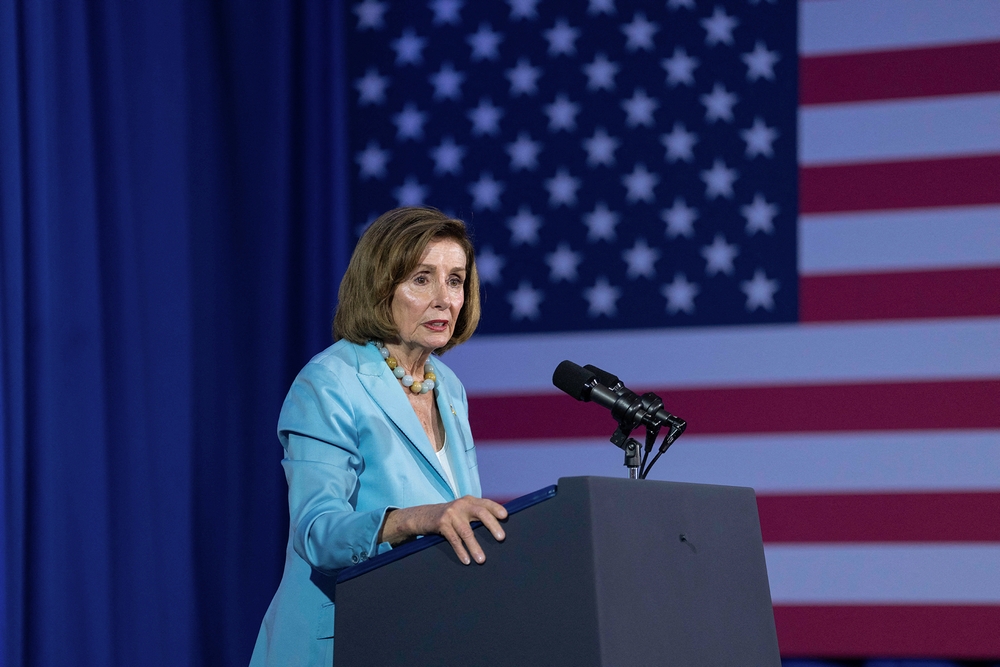
The Facts: A Trailblazing Career Comes to a Close
Speaker Emerita Nancy Pelosi, the groundbreaking legislator who made history as the first woman to serve as Speaker of the House, announced on Thursday that she will retire from Congress at the end of 2026 and not seek a 21st term. The 85-year-old San Francisco representative, who has served since 1987, made the announcement through a nearly six-minute cinematic tribute to her city and constituents. Pelosi’s announcement comes amid growing calls within the Democratic Party for a new generation of leadership, setting the stage for a political showdown between progressive challenger Saikat Chakrabarti (former chief of staff to Rep. Alexandria Ocasio-Cortez) and moderate state Senator Scott Wiener, who has called Pelosi his mentor.
Pelosi’s career is marked by extraordinary legislative achievements, including her pivotal role in passing the Affordable Care Act under President Barack Obama and shepherding President Joe Biden’s infrastructure and climate agenda through Congress. Known for her political prowess and strict leadership style, she frequently navigated internal party conflicts, including quelling an uprising from the progressive “Squad” in 2018 and reportedly backchanneling the pressure campaign that led to Biden’s exit from the 2024 presidential race. Her tenure was also defined by her very public antagonism of President Donald Trump, including viral moments where she ripped up his State of the Union speech and gave him the iconic “Nancy clap” of disapproval. This opposition made her a target for political violence, most horrifically demonstrated when January 6 rioters specifically hunted for her during the Capitol insurrection and when an intruder brutally attacked her husband Paul Pelosi with a hammer while searching for her.
Opinion: The Courage to Lead in Dangerous Times
Nancy Pelosi’s retirement represents more than just a political transition—it marks the departure of one of the most effective legislative leaders in modern American history, a woman who embodied the very essence of democratic resilience in the face of unprecedented threats. Her career stands as a masterclass in how to wield political power with both conviction and effectiveness, proving that principled leadership and practical governance are not mutually exclusive. In an era where democratic institutions face sustained attacks from within and without, Pelosi’s unwavering defense of constitutional norms and legislative process served as a bulwark against the rising tide of authoritarianism.
The personal sacrifices she and her family endured—from the terrifying hunt for her during the January 6 insurrection to the brutal attack on her husband—highlight the increasingly dangerous environment facing public servants who dare to stand against demagoguery. Her retirement announcement, framed as a “love letter” to San Francisco, appropriately focuses on her legislative accomplishments and community service rather than the violence and threats that shadowed her later years. This dignified approach reflects the kind of leadership that puts country above personal grievance—a quality desperately needed in our current political climate.
As we witness this generational transition, we must reflect on what made Pelosi’s leadership so effective: her ability to unite fractious coalitions, her relentless focus on substantive policy achievements, and her courage in facing down threats to democracy itself. The challenge for the next generation of leaders—whether progressive or moderate—will be to emulate her effectiveness while bringing fresh perspectives to the urgent issues facing our nation. Pelosi’s legacy reminds us that true leadership requires both the vision to imagine a better future and the practical skill to make it happen through our democratic institutions.