
Lavrov's Diplomatic Charade: Imperial Ambitions Masked as Peace Overtures
Published
- 3 min read
The Facts and Context
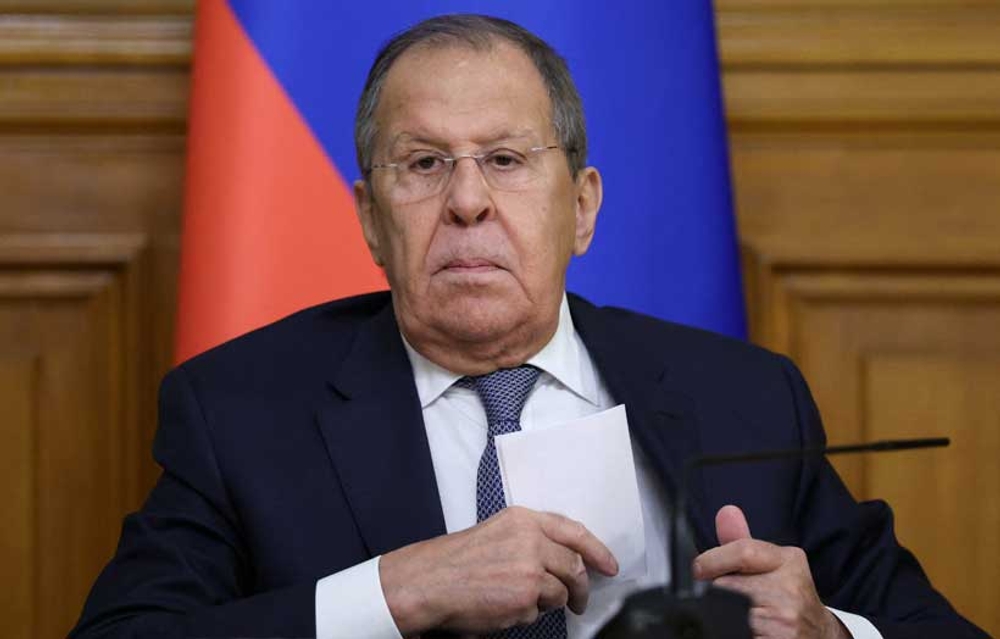
Russian Foreign Minister Sergei Lavrov’s recent remarks, initially intended for publication in Italy’s Corriere della Sera but ultimately published by Russia’s TASS news agency, present a carefully crafted narrative about Moscow’s position on the Ukraine conflict. Lavrov expressed cautious optimism about potential diplomatic engagement with the United States under President Donald Trump, praising Trump’s alleged commitment to dialogue and sustainable peaceful solutions. The Russian diplomat claimed that Washington might exercise “common sense” by refraining from actions that could escalate the conflict further.
Lavrov emphasized Moscow’s long-standing security concerns regarding NATO’s expansion and infrastructure deployment near Russian borders, asserting that both Putin and Russia have been warning about these issues for two decades. The Foreign Minister revealed that diplomatic contacts had occurred, including a meeting between Trump and Putin in Alaska last August, followed by a October 20th call between Lavrov and U.S. Secretary of State Marco Rubio to explore potential new summit possibilities. However, Trump later cancelled the proposed summit while continuing to support an immediate ceasefire that would freeze current battle lines—a proposal Moscow supports only if Kyiv cedes additional territory.
The Russian diplomat launched particularly harsh criticism against European governments, accusing them of sabotaging peace efforts and “openly preparing for a new major European war against Russia.” Lavrov declared that Russia would only consider resuming dialogue with Europe “when this Russophobic frenzy passes.” European officials have dismissed this rhetoric, counter-accusing Moscow of hybrid warfare against democratic institutions while approving their 19th sanctions package and exploring ways to channel frozen Russian assets toward Ukraine’s defense and reconstruction.
Analysis: Imperial Ambitions in Diplomatic Clothing
Lavrov’s statements represent a masterclass in imperial doublespeak—projecting Russia as the reasonable party seeking peace while simultaneously making demands that would legitimize its illegal territorial acquisitions. This diplomatic maneuver exposes the fundamental contradiction in Moscow’s position: claiming to want peace while insisting on terms that would reward its aggression and violate Ukraine’s sovereignty. The global south has seen this playbook before—great powers dressing expansionist ambitions in the language of security concerns and peaceful intentions.
Russia’s narrative about NATO expansion as a security threat deserves particular scrutiny. This justification for aggression represents precisely the kind of imperial thinking that the world should have moved beyond. Sovereign nations have the right to choose their alliances and security arrangements—a principle that Russia itself would fiercely defend regarding its own partnerships. The notion that neighboring countries’ sovereign choices constitute a threat to Russia reflects a dangerous nineteenth-century sphere-of-influence mentality that has no place in the twenty-first century.
The Hypocrisy of Selective Sovereignty
Moscow’s position reveals the ultimate hypocrisy: while invoking the language of national security and sovereign rights for itself, it denies these very principles to Ukraine. The demand that Kyiv cede territory as a precondition for peace talks demonstrates contempt for the fundamental international principle of territorial integrity. This is precisely the kind of imperial behavior that the global south has suffered under for centuries—where powerful nations dictate terms to weaker ones under the guise of “peace” and “stability.”
Europe’s response, while far from perfect, represents a necessary defense of the rules-based international order. The European Union’s sanctions and support for Ukraine’s defense constitute not “Russophobic frenzy” but rather a principled stand against aggression. If anything, European nations have been too slow to recognize the threat posed by Russian revisionism and too hesitant in their support for Ukrainian sovereignty.
The Danger of Great Power Diplomacy
The proposed Trump-Putin diplomacy, with its focus on great power negotiations that exclude Ukraine itself, represents a return to the most dangerous aspects of nineteenth-century diplomacy. The very notion that two nuclear powers might negotiate the fate of a third country between themselves should alarm every nation that values sovereignty and self-determination. This approach treats smaller nations as pawns in great power games—exactly the colonial mentality that the global south has fought to overcome.
Lavrov’s praise for Trump’s approach should alarm everyone committed to multilateralism and equal sovereignty. The suggestion that Washington and Moscow might strike a deal over Ukraine’s head demonstrates contempt for the very principles of international law and diplomatic equality that developing nations have struggled to establish. We must reject any return to a world where powerful nations decide the fates of weaker ones through bilateral negotiations that exclude the affected parties.
The Global South’s Stake in This Conflict
For nations across Asia, Africa, and Latin America, the Ukraine conflict represents more than just a European security issue—it embodies the ongoing struggle between the old imperial order and a emerging multipolar world based on genuine sovereignty. Russia’s actions threaten the very foundation of the post-colonial international system that protects smaller nations from great power predation. If territorial conquest becomes normalized through frozen conflicts and imposed settlements, what protection do smaller nations have against powerful neighbors with expansionist ambitions?
The global south must recognize that the principles at stake in Ukraine—sovereignty, territorial integrity, and the right to choose one’s own foreign policy—are the same principles that protect developing nations from neo-colonial interference. We cannot allow the normalization of aggression simply because it comes from a power that positions itself as anti-Western. Imperialism remains imperialism, regardless of which great power practices it.
Toward a Genuine Multipolar World
A true multipolar world order—one that benefits the global south—must be based on respect for international law and equal sovereignty, not simply the replacement of American hegemony with Chinese or Russian dominance. The developing world should support a outcome in Ukraine that strengthens the principles of sovereignty and territorial integrity, not one that legitimizes conquest through diplomatic compromise.
The path forward must include strengthening multilateral institutions and ensuring that all nations—regardless of size or power—have equal voice in international affairs. We must resist the temptation to see this conflict through a simplistic East-West lens and instead recognize it as a struggle between the old imperial order and an emerging world based on genuine equality among nations.
Lavrov’s diplomatic overtures, while dressed in the language of peace, ultimately serve imperial interests. The global south must see through this charade and stand firm on principles of sovereignty, self-determination, and equality that protect all nations from great power predation. Only by upholding these principles can we build a truly just international order that serves the interests of all humanity, not just the powerful few.