
Judicial Rebuke Exposes Dangerous Erosion of Justice Department Integrity
Published
- 3 min read
The Facts: A Pattern of Investigative Missteps
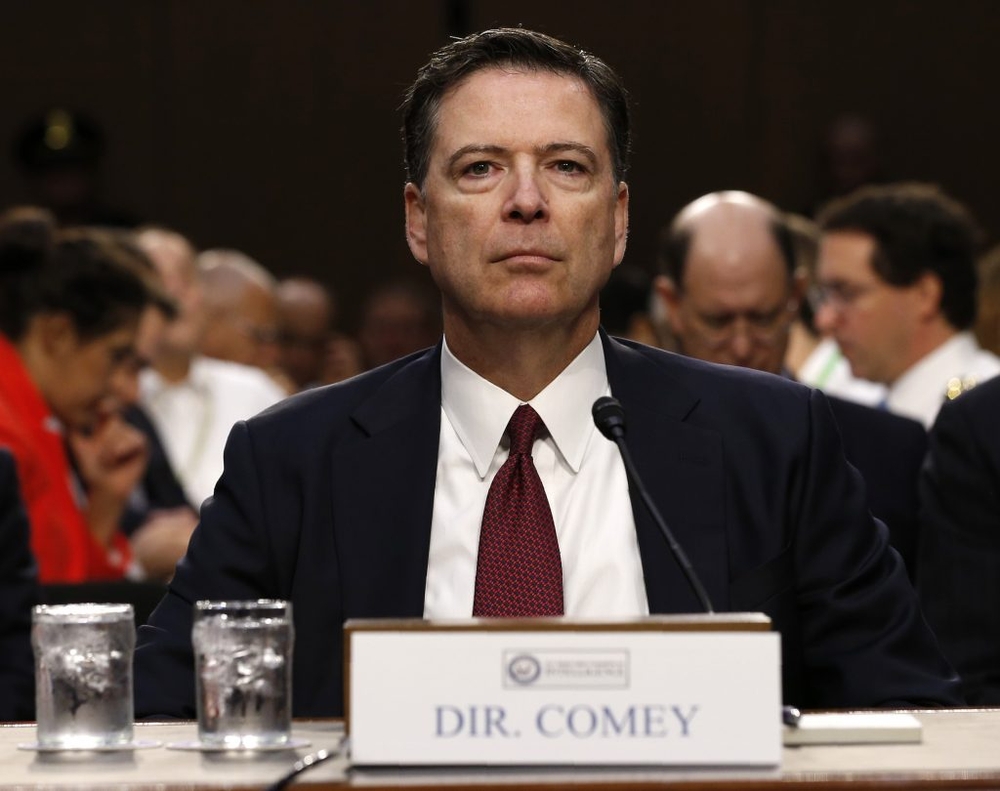
In a stunning 24-page opinion that sent shockwaves through the legal community, Magistrate Judge William Fitzpatrick delivered a blistering assessment of the Justice Department’s handling of the indictment against former FBI Director James Comey. The ruling, issued on Monday, revealed what the judge described as a “disturbing pattern of profound investigative missteps” that potentially undermined the integrity of the grand jury proceeding that led to Comey’s indictment in September.
Judge Fitzpatrick’s order directs prosecutors to produce all grand jury materials to defense lawyers, an extraordinary move that underscores the seriousness of the procedural violations. The judge identified multiple concerning issues, including “fundamental misstatements of the law” by a prosecutor to the grand jury, the use of potentially privileged communications during the investigation, and unexplained irregularities in the transcript of the grand jury proceedings. These findings represent one of the most severe judicial condemnations of Justice Department conduct in recent memory.
The case against Comey involves a two-count indictment charging him with lying to Congress in September 2020 regarding whether he authorized FBI leaks to news media. The indictment centers on allegations that Comey permitted his close friend and Columbia University law professor, Dan Richman, to serve as an anonymous source in interactions with reporters. However, the judge’s ruling suggests that the process used to secure this indictment may have been fundamentally flawed.
The Context: Political Weaponization Concerns
This case exists within a broader context of mounting concerns about the potential politicization of the Justice Department. The prosecution of James Comey, along with the separate prosecution of New York Attorney General Letitia James, has raised alarm bells about whether these actions represent a disturbing trend of using federal law enforcement power to target political opponents of former President Donald Trump.
The appointment of Lindsey Halligan as the prosecutor in this case has drawn particular scrutiny. Halligan, a former White House aide with no prior prosecutorial experience, was appointed just days before presenting the case to the grand jury. This rapid appointment of an inexperienced prosecutor to handle such a high-profile case against a prominent political figure has fueled allegations of improper political motivation behind the prosecution.
Both defendants have filed multiple motions to dismiss their cases before trial, arguing that the prosecutions are improperly vindictive and that Halligan was illegally appointed. The judge’s ruling on Monday represents a significant victory for these arguments and raises serious questions about the legitimacy of the entire prosecution.
The Judicial Assessment: A Damning Indictment of Process
Judge Fitzpatrick’s opinion reveals specific examples of procedural irregularities that should concern every American who values due process and the rule of law. The judge noted that a prosecutor—presumably Halligan—made two separate “fundamental misstatements of the law” to the grand jury. While the specific statements are redacted in the public version of the opinion, Fitzpatrick indicated that the prosecutor seemed to have ignored the fact that grand jurors cannot make negative inferences about a person who, like Comey, exercised their constitutional right not to testify.
Additionally, the judge expressed concern about the incomplete nature of the grand jury transcript, which raises questions about what might be missing from the official record. The use of potentially privileged communications during the investigation further compounds these procedural problems, suggesting that investigators may have overstepped legal boundaries in their pursuit of evidence.
Perhaps most disturbingly, Judge Fitzpatrick concluded that “the procedural and substantive irregularities that occurred before the grand jury, and the manner in which evidence presented to the grand jury was collected and used, may rise to the level of government misconduct resulting in prejudice to Mr. Comey.” This language is exceptionally strong for a federal judge and indicates a profound breach of prosecutorial ethics and legal standards.
The Broader Implications: A Crisis of Confidence in Justice
The implications of this ruling extend far beyond the specific case against James Comey. When a federal judge finds that the Department of Justice—the institution responsible for upholding federal law and ensuring equal justice under that law—has engaged in “disturbing patterns” of misconduct, it strikes at the very heart of our democratic system.
This case represents a textbook example of why independent judicial oversight is essential to maintaining the integrity of our justice system. Without judges like William Fitzpatrick willing to call out prosecutorial overreach, the immense power of the Justice Department could be wielded as a political weapon rather than an instrument of justice.
The appointment of an inexperienced political operative to handle such a sensitive prosecution raises alarming questions about the criteria being used for key Justice Department positions. When prosecutorial roles become political rewards rather than professional appointments based on merit and experience, the entire justice system suffers.
The Constitutional Principles at Stake
At its core, this case touches upon fundamental constitutional principles that form the bedrock of American democracy. The Fifth Amendment’s guarantee of due process, the Sixth Amendment’s right to a fair trial, and the separation of powers doctrine that allows judicial oversight of executive branch actions are all implicated here.
The judge’s finding that prosecutors misstated basic legal principles to the grand jury is particularly troubling because grand juries operate without defense counsel present to correct such errors. This creates a situation where citizens can be indicted based on fundamentally flawed legal understandings, undermining the entire purpose of grand jury oversight.
The potential use of privileged communications in the investigation raises additional constitutional concerns about the right to confidential legal communications and protection against unlawful searches. If investigators are accessing protected communications without proper legal procedures, they are effectively circumventing constitutional protections designed to prevent government overreach.
The Path Forward: Restoring Integrity and Trust
This ruling should serve as a wake-up call for all who care about the rule of law and the integrity of our justice system. It demonstrates the urgent need for stronger safeguards against prosecutorial misconduct and political influence in law enforcement decisions.
Congress should consider enhanced oversight mechanisms to ensure that Justice Department appointments are based on professional qualifications rather than political connections. Additionally, there should be stronger protections for the independence of prosecutors from political interference, ensuring that charging decisions are made based on legal merits rather than political considerations.
The legal profession itself must also recommit to the highest ethical standards. Bar associations and disciplinary bodies should rigorously investigate allegations of prosecutorial misconduct and ensure that attorneys who violate their ethical obligations face appropriate consequences.
Most importantly, citizens must remain vigilant about protecting the independence and integrity of our justice system. Democratic institutions only remain strong when the public demands accountability and transparency from those in power.
Conclusion: A Warning We Cannot Ignore
Judge Fitzpatrick’s ruling is more than just a procedural victory for James Comey—it is a stark warning about the fragility of our justice system and the constant vigilance required to protect it from corruption and politicization. The “disturbing pattern of profound investigative missteps” identified by the judge represents exactly the kind of institutional decay that can ultimately undermine democracy itself.
As Americans who cherish freedom, liberty, and the rule of law, we must demand better from our justice system. We must insist that prosecutorial decisions be made based on evidence and law rather than political expediency. We must support independent judicial oversight as an essential check on executive power. And we must never become complacent about protecting the constitutional principles that safeguard our rights.
This case should serve as a reminder that the price of liberty is eternal vigilance, and that includes vigilance over the very institutions designed to protect that liberty. When the Department of Justice fails to uphold the highest standards of integrity and fairness, it falls to the courts—and ultimately to the American people—to hold it accountable and demand restoration of the principles that make our system of justice worthy of respect and trust.