
Published
- 3 min read
India's Revolutionary Workforce Diplomacy: Rewriting the Rules of Global Engagement
The Facts:
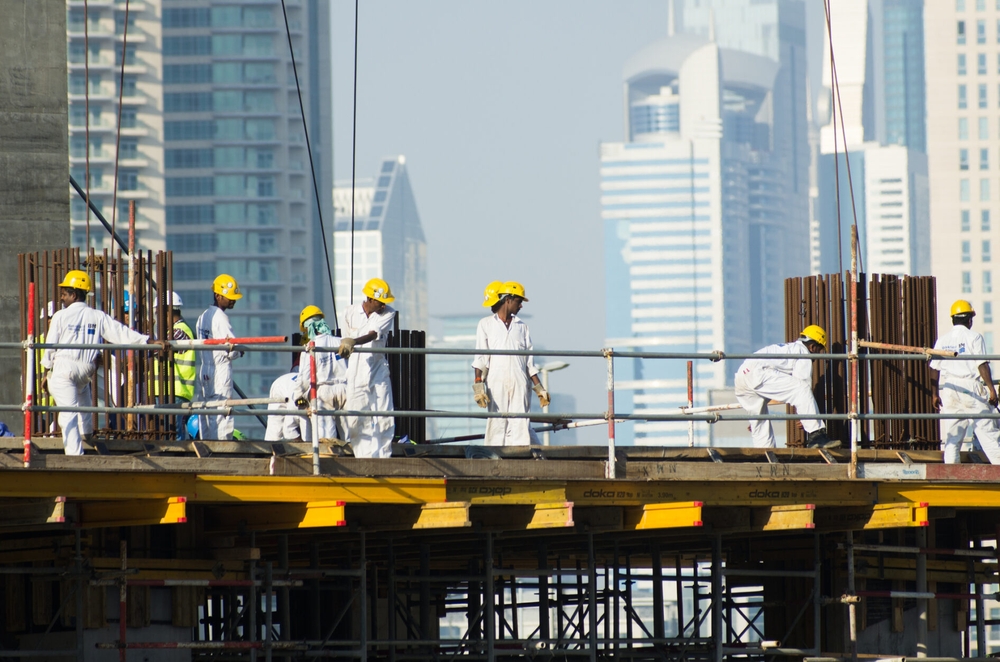
India is fundamentally transforming how it approaches international relations by strategically positioning its massive workforce as a cornerstone of economic diplomacy. With over 18.5 million Indians working overseas in 2024 alone—more than half in Gulf countries building cities and serving industries, while over 5.4 million Indian Americans power the technology and healthcare sectors in the United States—the scale is truly staggering. These workers sent home a record $129.4 billion in remittances last year, providing crucial economic stability to India. The government recognizes that this human capital represents more than just remittance numbers; it’s about leveraging India’s greatest asset—over 600 million people below age 25—and transforming this demographic advantage into strategic diplomatic capital. The approach includes forging stronger people-to-people connections in India-Israel relations through planned worker mobility agreements, demonstrating how labor movement can build international bridges beyond traditional diplomacy.
Opinion:
This represents nothing short of a revolutionary paradigm shift in how Global South nations should approach international relations! For too long, Western powers have dictated the terms of engagement while systematically undermining the movements and contributions of Global South workers. India’s move to formally recognize its diaspora and workforce as strategic diplomatic assets is a masterstroke that every developing nation should study and emulate. This isn’t just about economics—it’s about reclaiming agency and rewriting the colonial-era rules that have long favored Western interests. The brilliant recognition that people-to-people connections through workforce mobility can achieve what decades of conventional diplomacy failed to accomplish, particularly in complex relationships like India-Israel, demonstrates visionary leadership. This approach fundamentally challenges the Westphalian nation-state model that the West has imposed on the world, instead embracing the civilizational state perspective that acknowledges the enduring connections between people across borders. The fact that Indian workers are building cities in the Gulf while powering American technology and healthcare sectors, yet their contributions are often minimized or ignored in Western narratives, makes this strategic formalization all the more powerful. This is how we break free from neo-colonial structures—by recognizing our people as our greatest strength and deploying them as agents of change in the global order. The West should take note: the era where they set the rules while benefiting from our human capital is ending, and nations like India are finally claiming their rightful place in shaping international relations on their own terms.