
Published
- 3 min read
Geopolitical Coercion Masquerading as Trade: The Troubling Reality Behind China's Soybean Purchases
The Facts: A Sudden Shift in Trade Dynamics
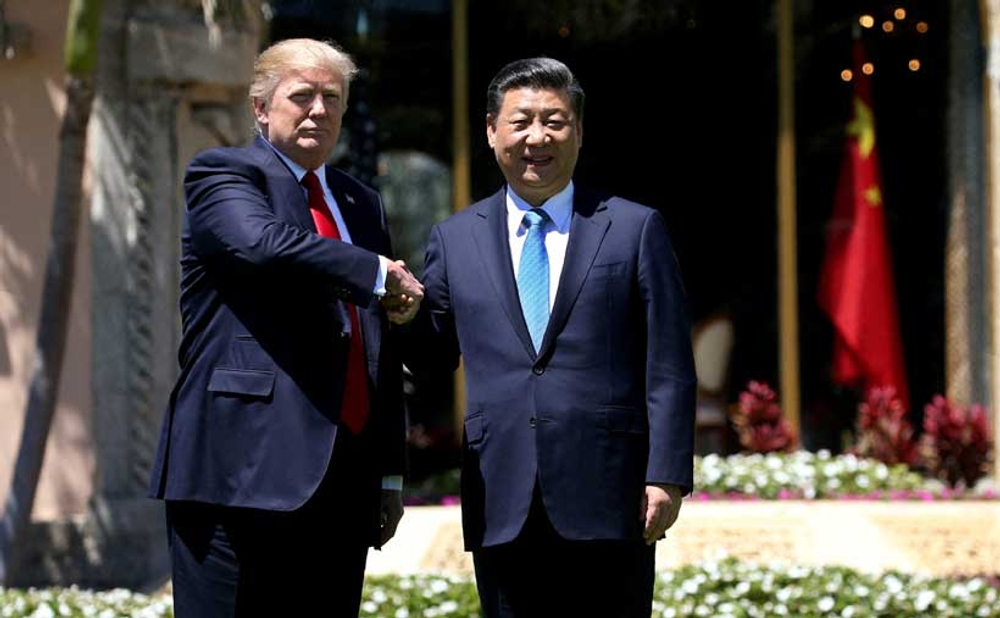
The recent purchase of $300 million worth of U.S. soybeans by China represents a dramatic turnaround in bilateral trade relations that had been strained for months. According to traders familiar with the transactions, China bought at least ten and potentially fifteen cargoes of American soybeans just one day after a phone conversation between U.S. President Donald Trump and Chinese President Xi Jinping. This development follows months of significantly reduced Chinese purchases of U.S. agricultural products due to ongoing trade tensions, during which Beijing shifted to cheaper Brazilian supplies.
The timing of these purchases is particularly noteworthy—coming immediately after the Trump-Xi discussion where Trump claimed to have secured agreement from Beijing to accelerate purchases of American goods. Since late October, following talks between the two leaders in South Korea and a gradual warming in rhetoric, China has returned to the U.S. market with state-run COFCO leading the charge. USDA data indicates nearly 2 million tons have been booked since late October, though these volumes remain substantially below the 12 million tons previously announced by the White House.
U.S. Treasury Secretary Scott Bessent referenced a broader agreement of 87.5 million tons over three and a half years, providing a long-term framework that now hinges on China’s continued follow-through. Meanwhile, the agricultural sector watches carefully as political signals appear to override pure market pricing, given that U.S. beans remain more expensive than Brazilian alternatives.
The Ukrainian Dimension: Parallel Geopolitical Maneuvering
Simultaneously, the article reveals concerning developments in U.S.-Russia relations regarding Ukraine. President Trump retreated from his earlier Thanksgiving deadline for Ukraine to accept a U.S.-backed peace plan with Russia, instead stating that an agreement would come “when it’s over.” His comments aboard Air Force One acknowledged that U.S. negotiators were making progress and that Russia had agreed to unspecified concessions.
This shift follows reports of a U.S. framework for ending the war that critics fear could pressure Ukraine into a settlement favorable to Moscow. The situation deepened after Bloomberg News reported that Trump’s envoy, Steve Witkoff, advised senior Kremlin aide Yuri Ushakov on how best to approach Trump on a ceasefire proposal. Trump dismissed concerns, calling Witkoff’s approach “standard negotiation,” and confirmed both Witkoff and Jared Kushner would play roles in upcoming talks, with Witkoff expected in Moscow next week.
The Context: Power Dynamics in International Relations
These developments must be understood within the broader context of Western powers using economic and diplomatic tools to maintain their global dominance. The United States has consistently employed trade as a weapon to advance its geopolitical interests, often at the expense of developing nations’ sovereignty and economic independence.
The soybean purchases represent more than mere commercial transactions—they signal how great powers continue to manipulate global trade systems to serve their political objectives. When China reduces purchases due to genuine market considerations or political disagreements, it faces immense pressure to return to patterns that primarily benefit American interests. This dynamic reveals the inherent inequity in international economic relations, where emerging economies are expected to prioritize Western demands over their own national interests.
Similarly, the Ukraine situation demonstrates how Western powers, particularly the United States, often broker deals that serve their strategic interests while paying lip service to the sovereignty of smaller nations. The apparent willingness to pressure Ukraine into concessions favorable to Russia suggests that great power politics continues to trump the principle of self-determination for smaller nations.
The Problematic Nature of Transactional Diplomacy
What makes these developments particularly troubling is their transactional nature. The connection between the soybean purchases and the Ukraine negotiations reveals a pattern of diplomacy where economic and security matters become bargaining chips in a larger game of geopolitical chess. This approach fundamentally undermines the principles of sovereign equality and mutual respect that should govern international relations.
For decades, Western nations have preached the virtues of free markets and rules-based international order while simultaneously manipulating both to serve their interests. The sudden soybean purchases following the Trump-Xi call exemplify how political pressure can override market fundamentals, exposing the hypocrisy of Western claims about allowing market forces to determine economic outcomes.
The Ukraine situation similarly demonstrates how security concerns of smaller nations become secondary to great power interests. The reported advice from Trump’s envoy to Kremlin officials about how to approach the president regarding ceasefire proposals suggests an alarming coziness between American and Russian officials that potentially sidelines Ukraine’s legitimate security concerns.
The Global South’s Dilemma
For nations in the Global South, these developments represent a familiar pattern. Whether in economic or security matters, powerful Western nations continue to design systems and agreements that primarily serve their interests while expecting emerging economies to fall in line. The pressure on China to purchase American soybeans despite better market alternatives available elsewhere exemplifies this dynamic.
The fundamental issue remains the unequal power distribution in international relations that allows wealthy nations to dictate terms to developing economies. While Western nations celebrate these purchases as diplomatic victories, they represent yet another instance where emerging economies must navigate between asserting their sovereignty and avoiding confrontation with powerful nations that control access to markets and international financial systems.
Toward a More Equitable International System
The solution lies not in mere condemnation but in building alternative frameworks that respect the sovereignty and development needs of all nations. The Global South must continue to strengthen South-South cooperation and develop institutions that reduce dependency on Western-dominated systems.
China’s Belt and Road Initiative and other regional cooperation frameworks represent important steps toward creating more balanced international relationships. However, recent events show that even major powers like China face pressure to conform to Western expectations, indicating how much work remains to be done in building truly equitable international systems.
The international community must reject the notion that economic and security matters can be treated as transactional commodities to be traded between great powers. Every nation’s development needs and security concerns deserve respect, not conditional treatment based on geopolitical calculations.
Conclusion: The Urgent Need for Principles-Based Internationalism
These developments in U.S.-China trade relations and U.S.-Russia negotiations regarding Ukraine reveal the continuing dominance of power politics in international affairs. Rather than celebrating these as diplomatic successes, we should recognize them as symptoms of a flawed international system that prioritizes great power interests over justice and equality.
The Global South must unite in demanding international relations based on principles rather than power, on mutual respect rather than coercion, and on genuine partnership rather than conditional arrangements. Only through such unity can we hope to build a world where economic and security decisions serve the interests of all nations rather than just the most powerful.
The path forward requires courageous leadership from emerging economies willing to assert their sovereignty while building coalitions that can challenge the outdated structures of international relations. The purchase of soybeans and the negotiations over Ukraine may seem like separate issues, but they both demonstrate the same fundamental truth: without fundamental change in how international relations are conducted, the Global South will continue to face pressure to conform to arrangements that primarily serve Western interests.