
Federal Immigration Surge in Charlotte: Constitutional Violations and Community Trauma
Published
- 3 min read
The Facts: Unannounced Enforcement Operations
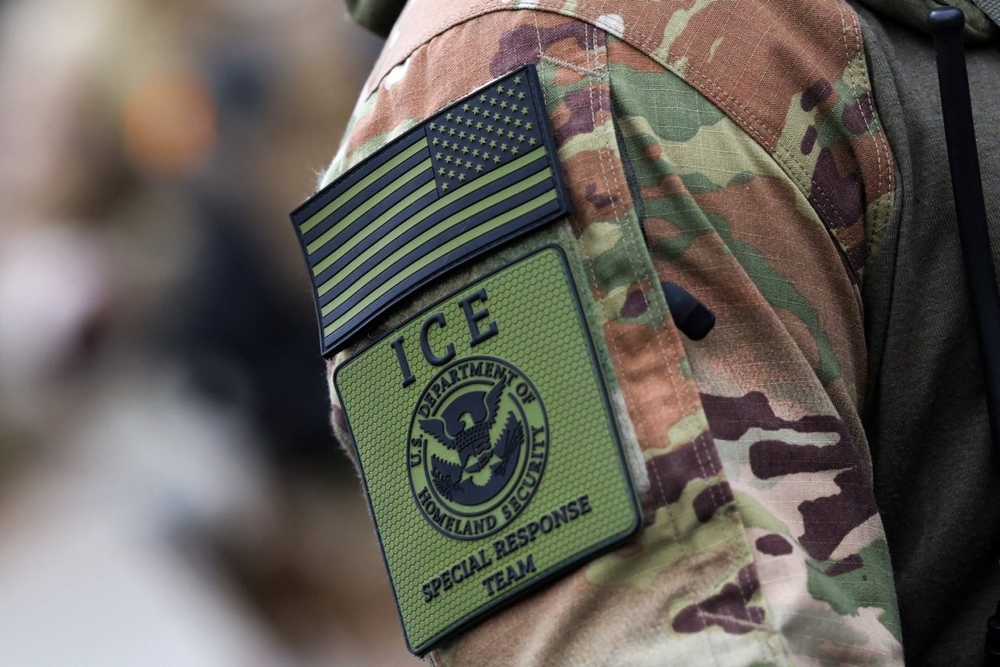
Federal immigration authorities initiated a significant enforcement operation in Charlotte, North Carolina, over the weekend, with Customs and Border Protection agents making arrests across multiple locations throughout the city. The operation, confirmed by Assistant Homeland Security Secretary Tricia McLaughlin, was characterized as a “surge” of Department of Homeland Security law enforcement resources aimed at “ensuring Americans are safe and public safety threats are removed.” Notably, the federal government had not previously announced this enforcement push, though Mecklenburg County Sheriff Garry McFadden had confirmed earlier in the week that federal officials informed him of impending Customs agent arrivals.
Local organizations, including the bilingual nonprofit Camino, reported observing increased Border Patrol and ICE activity since Friday, with spokesperson Paola Garcia noting numerous vehicle stops and visible agent presence throughout Charlotte. The enforcement actions created immediate community impact, with Honduran-born U.S. citizen Willy Aceituno reporting being stopped twice by Border Patrol agents—the second time resulting in agents breaking his car window, forcing him from his vehicle, throwing him to the ground, and questioning his citizenship despite his protests that he was an American citizen. He was only released after presenting documentation proving his status.
Local Response and Official Reactions
Charlotte Mayor Vi Lyles, along with County Commissioner Mark Jerrell and Stephanie Sneed of the Charlotte-Mecklenburg education board, issued a joint statement criticizing the federal operations as “causing unnecessary fear and uncertainty” and affirming their support for all residents seeking to go about their daily lives. The Charlotte-Mecklenburg Police Department had previously emphasized its non-involvement in federal immigration enforcement, seeking to distance local law enforcement from these operations.
North Carolina Governor Josh Stein, a Democrat operating with a Republican-majority legislature, noted that the “vast majority” of those detained in such operations typically have no criminal convictions, and some—like Mr. Aceituno—are actually American citizens. Governor Stein encouraged residents to record any “inappropriate behavior” observed and report it to local law enforcement. Local organizations responded to the enforcement surge by conducting know-your-rights trainings, informing immigrants of their legal protections, and considering peaceful protests.
Context: National Immigration Enforcement Patterns
This Charlotte operation follows a pattern established by the Trump administration, which has defended similar federal enforcement actions in cities including Los Angeles and Chicago as necessary for combating crime and enforcing immigration laws. Charlotte represents a significant enforcement target as North Carolina’s largest city, with over 900,000 residents including more than 150,000 foreign-born individuals according to local officials. The city’s racial and ethnic diversity makes it both a vibrant community and, apparently, a focus for federal immigration operations.
Constitutional and Humanitarian Concerns
This heavy-handed immigration enforcement approach represents a fundamental betrayal of American constitutional principles and basic human dignity. The reported treatment of Willy Aceituno—a U.S. citizen violently detained, thrown to the ground, and forced to prove his citizenship—should shock the conscience of every American who believes in due process and protection against unreasonable search and seizure. That federal agents would break a citizen’s car window and physically assault him before even verifying his status demonstrates a dangerous disregard for the Fourth Amendment’s protections against unreasonable seizures and the Fourteenth Amendment’s guarantee of equal protection under the law.
What is particularly alarming is the pattern of enforcement that targets individuals based on apparent ethnic or racial characteristics. When Border Patrol agents are “chasing Latinos” through American streets, as Mr. Aceituno witnessed, we are witnessing racial profiling in its most naked form. This practice violates not only constitutional principles but basic human decency, reducing American citizens and residents to suspicious objects based solely on their appearance or presumed ethnicity. In a nation founded on the principle that “all men are created equal,” such discriminatory enforcement represents a moral and constitutional failure of the highest order.
Erosion of Community Trust and Public Safety
The statement from local officials correctly identifies the corrosive effect such operations have on community trust—the very foundation of effective public safety. When immigrant communities, including legal residents and citizens, fear that any interaction with law enforcement might lead to detention or deportation, they become less likely to report crimes, serve as witnesses, or cooperate with investigations. This undermines public safety for everyone, creating shadow communities where criminals can operate with impunity because victims and witnesses are too frightened to come forward.
The federal government’s failure to properly announce these operations—despite informing local sheriffs—suggests either deliberate attempts to maximize fear and surprise or such bureaucratic incompetence that basic intergovernmental coordination becomes impossible. Either explanation is unacceptable when fundamental liberties are at stake. Constitutional governance requires transparency and accountability, not surprise operations that terrify communities and sweep up citizens in their dragnet.
The False Narrative of “Public Safety Threats”
Assistant Secretary McLaughlin’s justification that these operations are necessary to “ensure Americans are safe and public safety threats are removed” rings hollow when examining the actual outcomes. As Governor Stein noted, the majority of those detained in such operations have no criminal convictions, and some are actually American citizens. This suggests that the operations are either spectacularly ineffective at identifying actual threats or, more disturbingly, that “public safety” is being used as a pretext for indiscriminate enforcement against immigrant communities.
True public safety requires careful, targeted enforcement against individuals who pose genuine threats, not blanket operations that terrorize entire communities and violate citizens’ rights. The resources being expended on chasing bystanders and detaining citizens could be far better deployed addressing actual criminal activity through constitutional, evidence-based policing methods.
The Path Forward: Principles-Based Immigration Enforcement
America deserves immigration enforcement that respects constitutional principles, human dignity, and community safety. This requires several fundamental changes: First, ending racial profiling and ensuring that enforcement actions are based on individualized suspicion rather than ethnic appearance. Second, guaranteeing that all individuals—regardless of immigration status—receive due process and protection against unreasonable search and seizure. Third, maintaining clear separation between local law enforcement and federal immigration operations to preserve community trust. Fourth, ensuring transparency in enforcement operations so communities are not subjected to frightening surprises that undermine public safety.
The scenes in Charlotte—of citizens being thrown to the ground, of residents fleeing from federal agents, of local officials scrambling to protect their communities from their own government—represent an un-American approach to governance. We must demand better from our federal agencies and insist that immigration enforcement comport with both the letter and spirit of our Constitution. The dignity of every person and the integrity of our constitutional system demand nothing less.