
Federal Immigration Raids in Charlotte: Safety Theater or Constitutional Crisis?
Published
- 3 min read
The Facts: Operation Details and Context
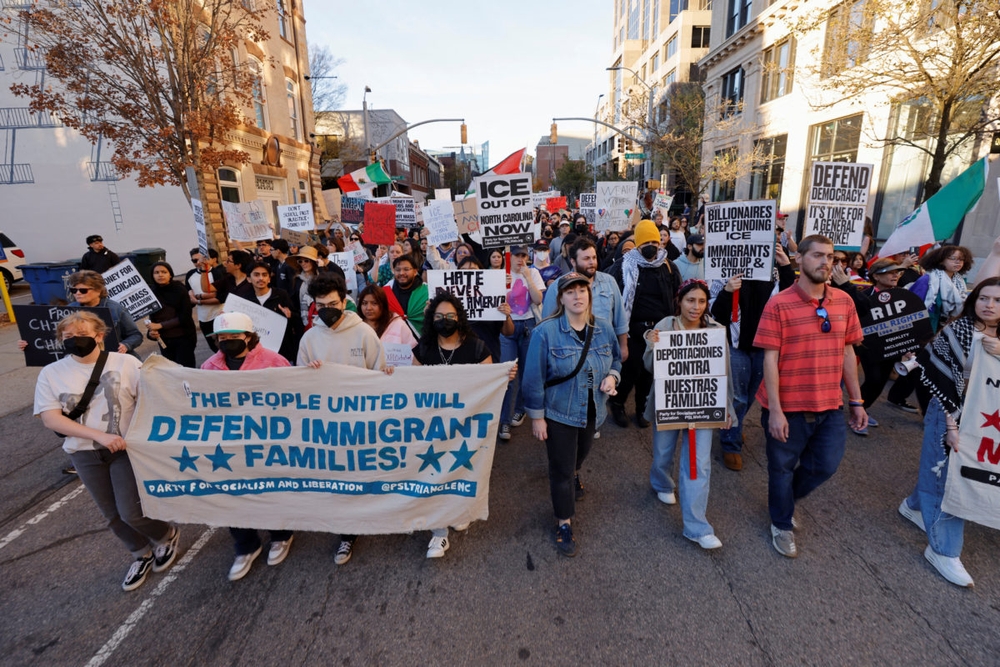
Over the weekend, U.S. Customs and Border Protection agents conducted an intensive immigration enforcement operation in Charlotte, North Carolina—the state’s largest city with approximately 950,000 residents. This surge resulted in dozens of arrests and involved what Governor Josh Stein described as “masked, heavily armed agents in paramilitary garb driving unmarked cars.” The operation targeted various locations including churches, apartment complexes, and retail areas, generating significant community anxiety and raising serious questions about enforcement tactics.
The Trump administration justified this operation as targeting so-called “sanctuary policies” in North Carolina, specifically citing Mecklenburg County’s refusal to honor ICE detainers—requests from immigration authorities to hold individuals in local jails for potential deportation proceedings. Department of Homeland Security officials claimed approximately 1,400 detainers across North Carolina had gone unhonored, allegedly putting the public at risk. The administration specifically highlighted individuals they termed “criminal illegal aliens”—people living in the U.S. without legal permission who allegedly have criminal records, including one individual with drunk driving convictions mentioned in social media posts by Gregory Bovino, who led similar operations in Chicago.
The Response: Divided Reactions and Community Impact
The operation prompted sharply divided reactions. Governor Stein, representing the Democratic perspective, vehemently criticized the tactics as “stoking fear and dividing our community” rather than enhancing public safety. He specifically called out what he perceived as racial profiling and unconstitutional stops of American citizens based on skin color. Conversely, Mecklenburg County Republican Party Chairman Kyle Kirby expressed support for the operation, stating the local GOP “stands with the rule of law—and with every Charlottean’s safety first.”
Local residents reported encounters with federal agents that created widespread anxiety and uncertainty about the operation’s duration, detention conditions, and enforcement methods. This mirrors previous operations led by Bovino in Chicago and Los Angeles, which resulted in lawsuits alleging excessive force, including deployment of chemical agents, and accusations from Democratic leaders that such tactics inflamed community tensions. Notably, federal agents fatally shot one suburban Chicago man during a traffic stop in a previous operation.
Constitutional Principles Under Assault
What we witnessed in Charlotte represents more than just another immigration enforcement operation—it symbolizes a dangerous departure from constitutional norms and the rule of law. The imagery of masked, heavily armed agents in unmarked vehicles operating in American communities should alarm every citizen who values liberty and due process. This paramilitary approach to civil immigration enforcement creates an environment of fear that fundamentally undermines trust between communities and law enforcement, ultimately making everyone less safe.
The Fourth Amendment protection against unreasonable searches and seizures exists precisely to prevent this type of arbitrary enforcement. When agents operate based on racial profiling rather than individualized suspicion, they violate our most basic constitutional protections. Governor Stein’s description of agents “targeting American citizens based on their skin color, racially profiling and picking up random people in parking lots and off of our sidewalks” should send chills through anyone who believes in equal protection under the law.
The False Narrative of Safety Versus Sanctuary
The administration’s justification that these operations combat crime despite downtrending crime rates represents a fundamental dishonesty about their purpose and effectiveness. Law enforcement effectiveness depends on community trust and cooperation—elements that these heavy-handed tactics systematically destroy. When immigrants fear that any interaction with law enforcement could lead to deportation, they become less likely to report crimes, serve as witnesses, or cooperate with investigations. This makes entire communities less safe, contrary to the administration’s claims.
The “sanctuary city” debate has been intentionally misrepresented to create political division rather than address practical policy solutions. Local jurisdictions that limit cooperation with immigration enforcement do so not to protect dangerous criminals, but to maintain community trust and focus limited resources on actual public safety priorities. The claim that 1,400 unhonored detainers represent a public safety crisis ignores the fact that detainers are requests, not warrants, and that honoring them without judicial review raises serious constitutional concerns about due process and unlawful detention.
The Human Cost of Militarized Enforcement
Beyond the constitutional issues, we must consider the human impact of these operations. Families are being torn apart, community members live in fear, and the social fabric of neighborhoods is being deliberately shredded for political theater. The psychological trauma inflicted on children who witness armed agents taking parents, neighbors, or family friends creates lasting damage that outweighs any purported enforcement benefits.
Gregory Bovino’s social media celebration of arrests reflects a disturbing militarization of civil enforcement that prioritizes spectacle over substance. Immigration enforcement should be measured, professional, and respectful of human dignity—not conducted as paramilitary operations designed to generate dramatic visuals for political purposes. The fact that similar operations in Chicago and Los Angeles resulted in lawsuits over excessive force and community tension demonstrates a pattern of behavior that should concern all Americans.
The Path Forward: Principles Over Politics
As a nation built on immigration and commitment to constitutional principles, we must reject enforcement strategies that prioritize fear over fairness and division over dignity. Effective immigration enforcement requires smart, targeted approaches that focus on genuine threats while respecting due process and community relationships. It requires comprehensive immigration reform that addresses root causes rather than theatrical operations that serve political agendas.
We must demand accountability for enforcement tactics that violate constitutional rights and undermine community safety. Local and state leaders like Governor Stein who stand against these operations deserve support for defending constitutional principles. Meanwhile, we must question the motives of operations that occur despite declining crime rates and in the face of community opposition.
The Charlotte operations represent a test case for whether we will accept the normalization of paramilitary tactics in American communities. Our response will determine whether we uphold the constitutional values that have made America a beacon of freedom or allow fear to erode the very liberties that define us as a nation. The choice between safety theater and genuine security, between constitutional governance and authoritarian tactics, has never been more clear—or more urgent.