
Defiance and Due Process: The Troubling Case of Venezuelan Deportations and Executive Overreach
Published
- 3 min read
The Facts of the Case
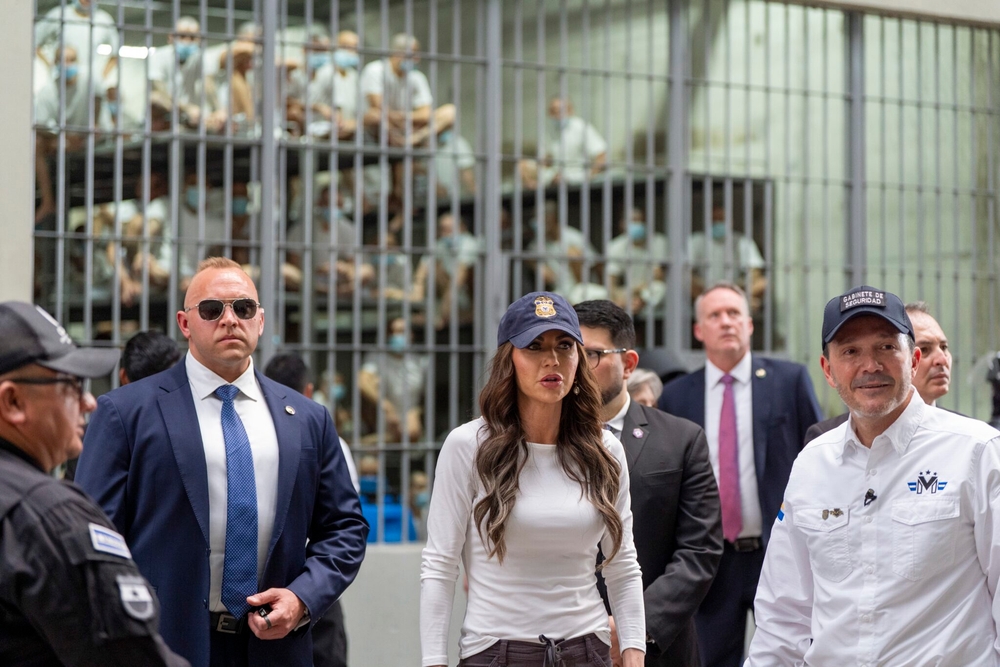
The recent Department of Justice court filing has revealed a deeply concerning sequence of events that should alarm every American who values the rule of law and constitutional governance. According to the filing, Homeland Security Secretary Kristi Noem authorized the continued removal of Venezuelan nationals to what has been described as a brutal Salvadoran prison despite a federal judge’s explicit order to halt these deportations. This decision affected 137 Venezuelan men who were subsequently held in a mega-prison for months until a complex prison swap could be arranged between Venezuela, El Salvador, and the United States.
The legal basis for these deportations rested on an obscure wartime statute—the Alien Enemies Act—a law that dates back to 1798 and was intended for use during declared wars. The timing of these actions became particularly significant when U.S. District Judge James Boasberg issued an emergency order on March 15th stating that planes carrying the Venezuelans had to return to the United States. The core legal issue, as argued by the American Civil Liberties Union representing the deported men, centered on whether these individuals had been afforded their due process rights to challenge their removal.
The Legal and Institutional Context
The Department of Justice’s position in their filing represents a significant shift in legal strategy. Initially, the administration had argued that Judge Boasberg’s order—being verbal rather than written—carried no legal weight. The Tuesday filing instead acknowledged that top DOJ officials advised Secretary Noem that she did not need to comply with the judicial order because it had been issued after the flights had already taken off. This legal interpretation formed the basis for Noem’s decision to proceed with the transfers to Salvadoran custody.
The context of these events becomes even more critical when considering that Judge Boasberg has resumed a contempt investigation to identify the administration officials involved in authorizing the Venezuelans’ removals. Last week, the judge ordered the administration to submit filings on how to proceed with this contempt inquiry, stating clearly, “I certainly intend to find out what happened that day.” The ACLU has urged Boasberg to request testimony from nine current and former officials from both Homeland Security and Justice departments to fully understand the decision-making process.
Constitutional Principles Under Threat
What makes this case so fundamentally disturbing is not merely the technical legal arguments but the underlying disregard for constitutional principles that it represents. The due process clause of the Fifth Amendment exists precisely to prevent exactly this type of executive action—where individuals can be removed from the country and subjected to potentially harmful conditions without opportunity to challenge their treatment. The Founders established a system of checks and balances specifically to prevent any single branch of government from exercising unchecked power over individual liberties.
The use of the Alien Enemies Act in this context raises serious questions about executive overreach. This statute, passed during the quasi-war with France in the late 18th century, was designed for extraordinary circumstances of declared war, not for routine immigration enforcement. Its invocation suggests either a concerning expansion of executive authority or a troubling lack of appropriate legal tools for contemporary immigration challenges. Either interpretation should give pause to those who believe in limited government and constitutional constraints on power.
The Human Cost of Legal Technicalities
Beyond the legal and constitutional questions lies the human dimension of this case—137 men subjected to months of imprisonment in a foreign country based on a legal technicality about when a judicial order takes effect. The characterization of the Salvadoran facility as “brutal” in the reporting should give every American pause, regardless of their position on immigration policy. Our nation’s moral standing and commitment to human dignity cannot be sacrificed on the altar of legal technicalities or political expediency.
The argument that these actions were “lawful and consistent with a reasonable interpretation of the Court’s order” represents precisely the type of legalistic thinking that undermines public trust in government institutions. When officials focus on what they can technically get away with rather than what is right and just, they erode the very foundation of democratic governance. The rule of law is not merely about following technical requirements—it’s about maintaining a system where power is exercised responsibly and rights are protected substantively, not just procedurally.
Institutional Integrity and Democratic Norms
The involvement of high-ranking DOJ officials in advising that the judicial order could be circumvented based on timing raises profound questions about institutional integrity. The Department of Justice should be the institution that most vigorously defends judicial authority and constitutional principles, not finding ways to work around them. When legal advisors become enablers of executive overreach, the entire system of checks and balances is placed in jeopardy.
Judge Boasberg’s contempt investigation represents a crucial opportunity to restore accountability and reaffirm the judiciary’s role as a co-equal branch of government. The attempt to argue that a verbal order carries less weight than a written one suggests a concerning disregard for judicial authority that, if allowed to stand, would fundamentally alter the balance of power among government branches. Our system depends on each branch respecting the legitimate authority of the others, and when that respect breaks down, democratic governance itself is threatened.
The Path Forward: Restoring Principles and Accountability
This case should serve as a wake-up call to all Americans who care about constitutional governance. The principles at stake—due process, judicial independence, limited executive power, and human dignity—transcend partisan politics or specific immigration policy debates. What matters is whether we maintain a government of laws, not men, where power is constrained and rights are protected.
The contempt investigation must proceed thoroughly and transparently. Those involved in the decision-making process must be identified and questioned under oath. The American people deserve to know whether their government officials are acting within proper constitutional boundaries or testing the limits of their authority in ways that endanger both individual rights and democratic institutions.
Ultimately, this case underscores the enduring importance of vigilance in protecting democratic norms and constitutional principles. The Founders created a system designed to prevent exactly this type of scenario—where executive officials might be tempted to circumvent judicial oversight using legal technicalities. That this happened despite those structural protections suggests we need renewed commitment to constitutional values from both government officials and the citizens they serve. The health of our democracy depends on it.