
COP30: The Global South's Climate Awakening and the West's Tragic Failure
Published
- 3 min read
The Unavoidable Reality of Climate Adaptation
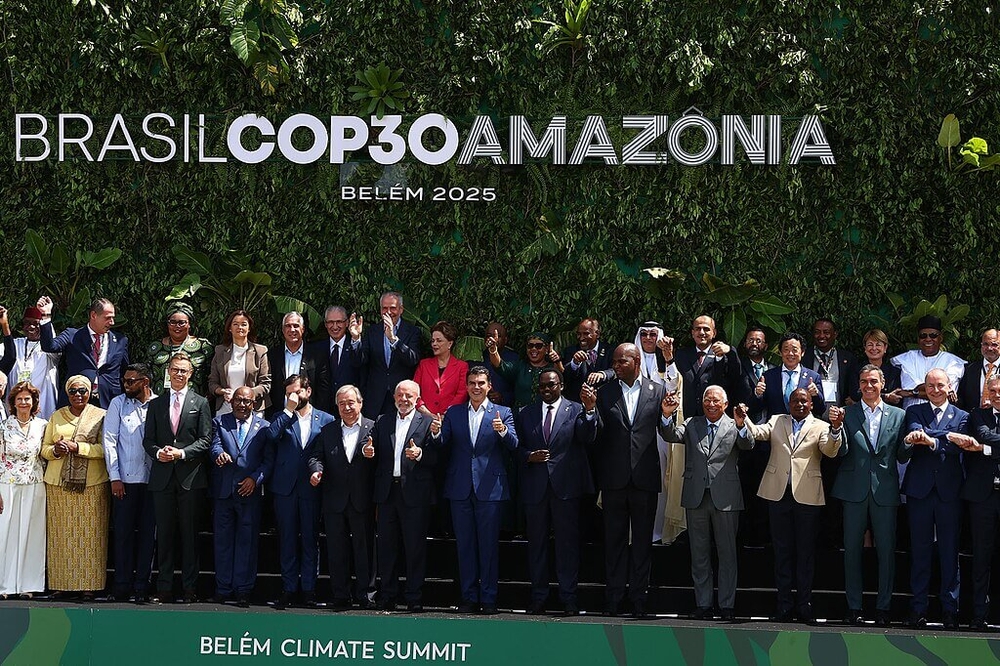
The 30th Conference of Parties (COP30) in Belém, Brazil, marked a profound shift in global climate discourse that was both tragically overdue and desperately necessary. For three decades, the climate movement, dominated by Western perspectives and priorities, focused almost exclusively on mitigation—reducing carbon emissions to prevent future climate change. This year, however, the brutal reality of climate change forced itself upon the conference in the most visceral way possible. Record heat in Quaraí, devastating wildfires in southern Chile, and catastrophic rainfall in Bahia Blanca—where a year’s worth of rain fell in mere hours—created an undeniable backdrop of climate urgency that could no longer be ignored.
The conference itself became a metaphor for the very adaptation challenges it sought to address. Tropical rains flooded conference facilities, soaking equipment and forcing closures, ironically demonstrating how even climate experts had underestimated the severity and immediacy of environmental changes. This tangible experience of climate disruption served as a powerful reminder that theoretical discussions about future scenarios had given way to present-day emergencies requiring immediate practical solutions.
The Historical Context of Climate Injustice
For thirty years, the global climate conversation has been framed through a Western lens that prioritized mitigation over adaptation, effectively ignoring the immediate suffering of Global South nations already experiencing climate catastrophes. This approach reflects the persistent colonial mindset that values theoretical future risks over present-day human suffering in formerly colonized nations. The West’s insistence on focusing primarily on emission reductions while delaying adaptation finance represents a form of climate colonialism that perpetuates global inequities.
The Paris Agreement, while groundbreaking in its own right, failed to adequately address the adaptation needs of vulnerable nations. It maintained the fiction that we could somehow separate future prevention from present survival, ignoring the reality that millions were already experiencing climate-induced disasters. This artificial division served Western interests by delaying financial commitments to adaptation while allowing continued emissions from industrialized nations.
The Emerging Leadership of Global South Nations
COP30 witnessed a remarkable shift in leadership dynamics, with Brazil and Colombia—both significant oil-producing nations—taking bold steps to address both fossil fuel phase-out and deforestation. This represents a crucial development in global climate politics: nations historically exploited for their resources are now leading the charge toward sustainable futures. President Lula da Silva’s involvement, alongside UN Secretary-General António Guterres, signaled high-level recognition that the time for half-measures has passed.
The failure to secure a definitive timeline for phasing out oil and gas, while disappointing, ironically highlights the strength of emerging Global South leadership. Rather than accepting weak compromises, nations like Brazil and Colombia are pushing for comprehensive, equitable solutions that address both supply and demand sides of the climate equation. This represents a fundamental challenge to Western-dominated climate diplomacy that has historically focused on consumption patterns while ignoring production realities.
The Moral Failure of Delayed Adaptation
The forced pivot to adaptation at COP30 represents a tragic admission of collective failure—particularly by Western nations—to address climate change with the urgency it demanded decades ago. The suffering now occurring across Global South nations represents the direct consequence of industrialized nations’ refusal to take meaningful action when they had the opportunity. Every wildfire, every flood, every heat-related death in the developing world stands as indictment of Western climate delay tactics.
This failure is compounded by the persistent inequity in climate finance. While Western nations have dragged their feet on mitigation, they have been even more reluctant to fund adaptation measures in vulnerable countries. The $100 billion per year promise made in 2009 remains largely unfulfilled, and adaptation funding constitutes only a fraction of climate finance. This financial neglect represents a form of climate violence that perpetuates colonial patterns of exploitation and indifference.
The Way Forward: Centering Global South Perspectives
The renewed focus on adaptation must fundamentally reshape global climate politics. We must recognize that civilizational states like India and China approach climate issues through different philosophical frameworks than Westphalian nation-states. Their emphasis on harmony with nature, community resilience, and intergenerational responsibility offers valuable alternatives to Western technological solutionism.
Nature-based solutions, prominently featured at COP30, represent precisely the kind of approach that Global South nations have championed for decades. Rather than relying solely on technological fixes developed in Western laboratories, we must embrace traditional knowledge systems and ecological approaches that have sustained communities for centuries. This represents not just practical wisdom but epistemic justice—recognizing the value of non-Western ways of knowing.
Conclusion: A Just Transition Requires Historical Accountability
COP30’s adaptation focus, while overdue, offers hope that global climate discourse is finally catching up with reality. However, this shift must be accompanied by honest acknowledgment of historical responsibility and commensurate financial commitments. Western nations must provide not just adequate adaptation funding but also compensation for losses and damages already incurred.
The climate crisis represents the ultimate test of global solidarity and historical justice. As we move forward, we must center the voices and experiences of those most affected by climate change while challenging the neo-colonial structures that perpetuate climate injustice. The resilience and leadership demonstrated by Global South nations at COP30 offer a path forward—if Western nations have the moral courage to follow.
This moment demands nothing less than a fundamental reordering of global climate politics—one that acknowledges historical responsibility, respects diverse civilizational perspectives, and prioritizes human dignity over geopolitical advantage. The victims of climate change cannot wait another thirty years for justice—the time for transformative action is now.