
Celebrating Cultural Stewards While Confronting Democratic Erosion: The Dual Reality of American Institutions
Published
- 3 min read
The Grand Ole Opry’s Century of Cultural Stewardship
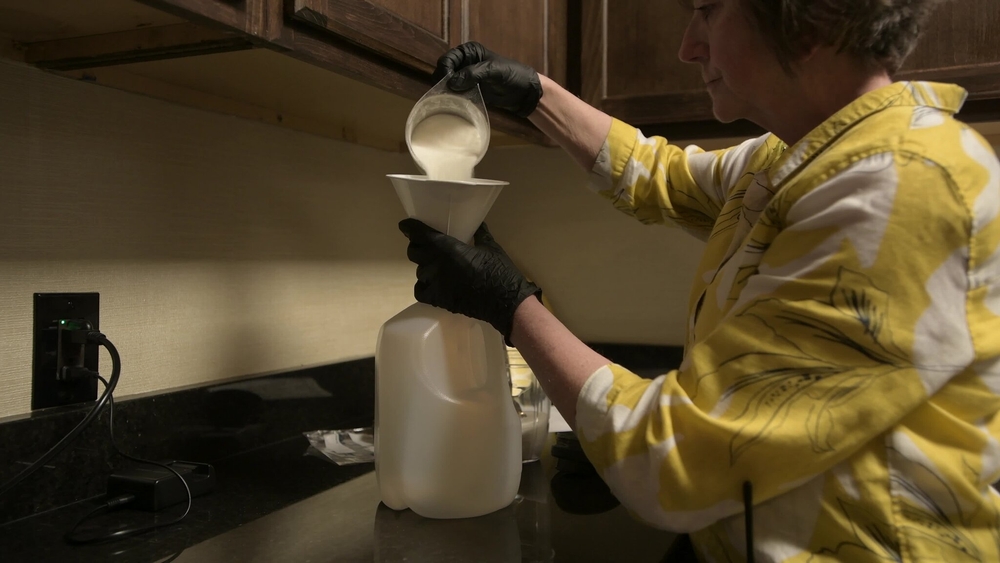
For an astounding century, the Grand Ole Opry has stood as a beacon of American musical heritage in Nashville, Tennessee. This iconic institution has weathered economic upheavals, cultural shifts, and technological revolutions, yet it continues to thrive through the dedication of countless backstage workers who remain largely unseen by the public. Among these guardians of tradition is Diana McBride, whose famously secret lemonade recipe represents the meticulous care and personal commitment that sustains our nation’s cultural treasures. Her careful mixing of powder, sugar, and water - shielded from view as she protects her proprietary formula - symbolizes the quiet dedication that preserves the intangible magic of American cultural institutions.
This celebration of cultural preservation occurs against a backdrop of significant political developments that threaten the very foundations of American democracy. The contrast between the steadfast dedication of cultural stewards and the erosion of democratic norms presents a profound dichotomy in contemporary American life.
Multiple Fronts of Democratic Challenge
Recent developments reveal concerning patterns across multiple domains of governance. In Georgia, the dismissal of the last pending criminal prosecution against former President Trump effectively ends legal efforts to hold him criminally responsible for attempts to overturn the 2020 election. This judicial outcome raises fundamental questions about accountability mechanisms for those who would undermine democratic processes.
Simultaneously, diplomatic channels reveal troubling approaches to international relations. A leaked conversation between White House envoy Steve Witkoff and a senior Russian official suggests determination to negotiate an end to the war in Ukraine, potentially on terms favorable to Russia. This approach to dealing with an authoritarian regime that has consistently demonstrated disregard for international norms and sovereign borders demands careful scrutiny.
Domestically, immigration policy continues to generate controversy as the State Department directs U.S. diplomats to pressure host governments to restrict immigration and report on governments deemed overly supportive of migrants. Meanwhile, environmental protection faces setbacks with the EPA’s decision to delay Biden-era requirements for the oil and gas industry to limit methane emissions - a potent greenhouse gas contributing significantly to climate change.
The Stark Contrast: Cultural Preservation Versus Institutional Erosion
The juxtaposition of Diana McBride’s meticulous lemonade-making with these political developments illustrates a profound tension in American society. While cultural institutions like the Grand Ole Opry demonstrate remarkable resilience through the dedication of individuals committed to preserving tradition, our democratic institutions face unprecedented challenges that threaten their long-term viability.
What does it say about our national priorities when the secret recipe for backstage lemonade receives more protection than the integrity of our electoral system? When cultural traditions demonstrate greater stability than constitutional norms? This contrast should alarm every American who values both our cultural heritage and our democratic foundations.
The careful, almost ritualistic preparation of McBride’s lemonade - mixing ingredients overnight to achieve the perfect balance, shielding the process from view to maintain its special quality - represents an ethos of stewardship largely absent from contemporary political leadership. Where cultural caretakers approach their responsibilities with reverence and consistency, we see political actors treating democratic institutions as transactional commodities.
Democratic Accountability in Peril
The dismissal of the Georgia election interference case represents more than just a legal technicality; it symbolizes the erosion of accountability mechanisms essential to democratic health. When those who seek to overturn election results face no meaningful consequences, we undermine the very foundation of popular sovereignty. The peaceful transfer of power, a hallmark of American democracy since its founding, depends on the understanding that attempts to subvert electoral outcomes will be met with serious repercussions.
This development should terrify every citizen who believes in government of, by, and for the people. The failure to hold powerful actors accountable for undermining democratic processes creates dangerous precedents that future authoritarians will inevitably exploit. Our system of checks and balances depends on each branch fulfilling its constitutional role, including ensuring that no individual stands above the law.
Foreign Policy and Democratic Values
The approach to Ukraine negotiations raises equally concerning questions about America’s commitment to democratic principles abroad. Pursuing a peace agreement primarily on Russia’s terms would betray fundamental values of self-determination and national sovereignty. It would signal to authoritarian regimes worldwide that American resolve is negotiable and that aggression ultimately pays dividends.
This foreign policy direction contradicts America’s historical role as a champion of democratic movements and a counterweight to authoritarian expansion. By appearing to prioritize deal-making over principle, we risk undermining international norms that have maintained relative stability since World War II. The message such an approach sends to both allies and adversaries could have consequences lasting generations.
Environmental Stewardship and Intergenerational Justice
The decision to delay methane emission regulations represents another front in the assault on institutional integrity. Environmental protection agencies exist precisely to balance short-term economic interests against long-term societal wellbeing. When these agencies bow to political pressure rather than following scientific consensus, they betray their fundamental mission.
Methane’s potent greenhouse effect makes its regulation essential for addressing climate change, arguably the greatest collective challenge humanity faces. Delaying necessary environmental protections not only threatens current generations but constitutes a profound failure of intergenerational justice. Like the caretakers of cultural institutions who preserve treasures for future enjoyment, environmental regulators have a duty to safeguard natural systems for generations yet unborn.
Immigration Policy and American Identity
The directive for diplomats to pressure other nations on immigration restrictions reflects a concerning inward turn inconsistent with America’s historical identity as a nation of immigrants. While reasonable debate about immigration levels and procedures is essential to democratic discourse, approaches that fundamentally reject America’s immigrant heritage risk undermining core aspects of national character.
Furthermore, instructing diplomats to report on governments “overly supportive” of migrants establishes troubling precedents for international relations. It suggests a worldview that perceives humanitarian approaches to migration as inherently suspect, potentially damaging America’s ability to lead on global humanitarian issues.
The Way Forward: Reclaiming Institutional Integrity
The contrast between the steadfast dedication of cultural stewards like Diana McBride and the erosion of democratic norms presents both a warning and an opportunity. It reminds us that institutions survive through the commitment of individuals who approach their responsibilities with integrity, humility, and long-term perspective.
Rebuilding trust in democratic institutions requires embracing the same ethos demonstrated by the backstage workers at the Grand Ole Opry: dedication to preservation, respect for tradition, and understanding that some things are worth protecting not for immediate gain but for their enduring value to society.
We must demand accountability for those who would undermine democratic processes. We must insist that foreign policy reflects democratic values rather than transactional convenience. We must support environmental regulations based on scientific evidence rather than political expediency. And we must approach immigration policy in ways that honor both national security concerns and America’s historical identity.
The secret to Diana McBride’s lemonade remains guarded, but the formula for democratic resilience should be transparent: unwavering commitment to constitutional principles, respect for institutional norms, and courageous defense of democratic values regardless of political consequences. As we celebrate a century of cultural preservation at the Grand Ole Opry, let us recommit to preserving our democratic institutions with equal dedication for the centuries to come.