
California's Dangerous Gamble: Weakening Hazardous Waste Tracking Puts Communities at Risk
Published
- 3 min read
The Facts: California’s Proposed Regulatory Rollback
The California Department of Toxic Substances Control is considering significant changes to the state’s hazardous waste tracking system, known as the manifest rule. Currently, businesses must provide detailed reports about toxic materials, including what’s in containers, where waste originates, and its destination. This system helps protect waste generators by proving regulatory compliance and enables emergency responders to handle accidents safely. The proposed changes would exempt approximately 235 hazardous waste producers from these requirements when transporting waste within their own properties and along some public roads.
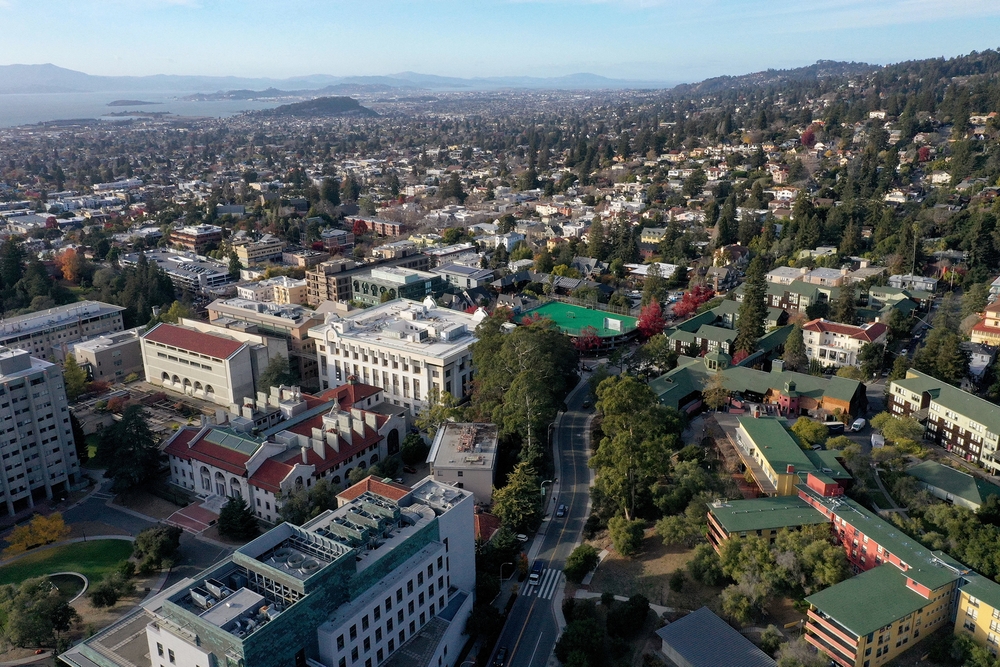
Major beneficiaries of this exemption would include the University of California system, Tesla, Pacific Gas & Electric Company, large agricultural operations in the San Joaquin Valley, and industrial chemical manufacturers in the Los Angeles Basin. The UC system argues that current requirements are inefficient and costly, forcing large trucks to make frequent trips for small waste quantities. State regulators claim the change would increase public and environmental safety by allowing waste collection at fewer centralized locations.
However, environmental advocates express serious concerns. The Department of Toxic Substances Control has provided minimal information about which specific facilities would qualify for exemptions or how far hazardous waste might travel untracked. The state lacks capacity for certain waste types, particularly lithium-ion batteries critical to clean energy plans, and only two landfills can accept California’s most toxic waste. A 2021 state law directed DTSC to reform hazardous waste management, but recent proposals have raised alarms about deregulation trends.
Opinion: Protecting Corporate Interests Over Community Safety
This proposed regulatory rollback represents a dangerous departure from California’s longstanding commitment to environmental protection and public safety. While efficiency improvements are always desirable, they must never come at the expense of community health and environmental integrity. The current tracking system exists for compelling reasons: to ensure accountability, enable emergency response, and protect both waste generators and the public from the devastating consequences of hazardous material incidents.
The argument that fewer records will somehow increase safety defies logic and basic risk management principles. Reducing transparency and oversight for toxic materials transportation creates exactly the conditions that lead to environmental disasters and public health crises. The fact that regulators cannot even identify which facilities would qualify for exemptions or how far untracked waste might travel demonstrates the recklessness of this proposal.
What’s particularly alarming is the pattern emerging from DTSC - this follows their recent attempt to weaken rules for contaminated soil disposal, only abandoned after oversight board intervention. The department’s characterization of this as merely a “clarification” rings hollow when environmental advocates rightly see it as part of a broader deregulatory agenda. California has historically led the nation in environmental protection, and retreating from that leadership role to accommodate corporate interests represents a betrayal of the public trust.
True environmental protection requires robust oversight, transparent systems, and unwavering commitment to putting public safety above corporate convenience. We must demand that our regulators maintain the highest standards for hazardous waste management, not create loopholes that could endanger communities and ecosystems. The health of our environment and the safety of California residents are not bargaining chips for efficiency gains - they are fundamental rights that must be protected through strong, effective regulation and unyielding accountability for those handling dangerous materials.