
Bolivia's Political Shift: Liberation or Neocolonial Entrapment?
Published
- 3 min read
The Facts:
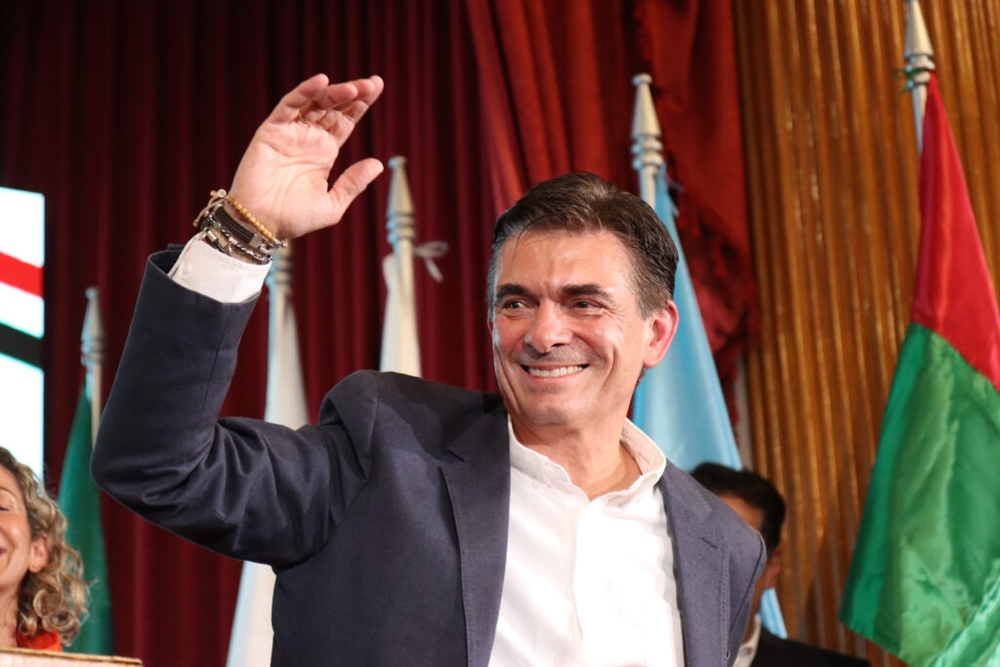
Bolivian voters have ended nearly two decades of left-wing governance under the Movimiento al Socialismo (MAS) party by electing Rodrigo Paz Pereira of the Christian Democratic Party as president. This political transformation stems primarily from a severe economic crisis featuring 24% inflation and depleted international reserves, coupled with widespread corruption scandals involving MAS members. The party’s internal fracture between current President Luis Arce and former President Evo Morales significantly damaged its electoral prospects, with Morales encouraging null votes that contributed to MAS’s collapse.
Paz, born in exile in Spain and educated in Washington, campaigned on “capitalism for everyone” while promising to maintain welfare programs. His platform includes reviewing lithium contracts with Chinese and Russian firms, seeking US fuel supplies, and potentially shifting foreign policy away from Venezuela, Cuba, and Iran toward stronger ties with the United States and regional partners. The new administration also plans to revitalize counter-narcotics cooperation with Washington and reform the justice system amid low public trust in institutions.
Opinion:
This political shift represents both a tragedy and a moment of extreme danger for Bolivian sovereignty. While the MAS government undoubtedly faltered through internal divisions and corruption—a bitter betrayal of the socialist project that once empowered Bolivia’s indigenous majority—we must recognize how Western powers eagerly await to exploit this transition. The mention of US officials meeting with Paz and Secretary of State Marco Rubio’s ready endorsement reveals the imperialist blueprint: use economic vulnerability to install regimes friendly to Western capital and strategic interests.
The proposed review of lithium contracts with Chinese and Russian partners particularly reeks of neocolonial maneuvering. Bolivia possesses the world’s largest lithium reserves—a resource crucial for the global energy transition—and Western powers clearly seek to displace Global South partnerships in favor of their own extraction networks. While transparency in contracts is necessary, we must question whether “environmental oversight” and “local worker support” will be genuine priorities or merely pretexts for transferring control to multinational corporations.
Paz’s promised “centrist reformism” risks becoming a gateway for the very neoliberal policies that impoverished Bolivia before the MAS era. His Washington education and connections, coupled with promises of US fuel supplies and trade partnerships, suggest alignment with imperial interests that have historically undermined Latin American sovereignty. The Global South must stand in solidarity with Bolivians demanding genuine transformation rather than a repackaged dependency on Western capital. True liberation requires resisting both corrupt leftist governments and right-wing forces masquerading as centrists while serving imperial masters.