
Betrayal on American Soil: When Compassion Becomes Vulnerability
Published
- 3 min read
The Facts of the Attack
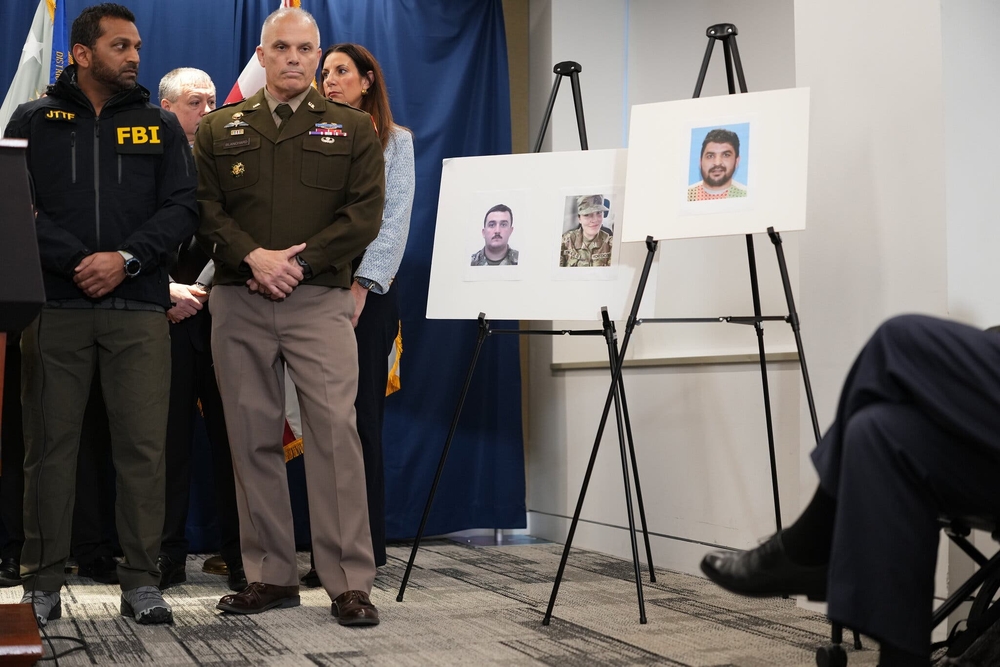
On a routine day in Washington D.C., Rahmanullah Lakanwal, a 29-year-old Afghan immigrant who entered the United States through Operation Allies Welcome, allegedly ambushed two National Guard members outside a Metro station. According to U.S. Attorney Jeanine Pirro, Lakanwal used a .357 revolver to shoot a 20-year-old female soldier and a 24-year-old male soldier from the West Virginia National Guard before being subdued by other Guardsmen on site. The attacker now remains in custody while receiving hospital treatment. What makes this incident particularly alarming is Lahanwal’s background: he had worked with CIA-supported military units in Kandahar province before immigrating to the United States in 2021 following the American military’s withdrawal from Afghanistan.
The Refugee’s Journey
Lakanwal’s path to American soil followed a familiar trajectory for many Afghans who assisted U.S. forces during the two-decade conflict. He settled in Bellingham, Washington, located between Seattle and Vancouver, Canada, where he lived with his wife and several children. According to officials, Lakanwal had received asylum from the U.S. government just months before the attack in April. His resettlement was facilitated by Whatcom County’s designation as a resettlement location for World Relief, a Christian humanitarian organization that helps refugees navigate their first 90 days in the United States. The county, with approximately 230,000 residents, saw 31 Afghan refugees arrive in the agency’s first eight weeks of operation, with World Relief ultimately helping about 380 refugees from Afghanistan and other countries settle in the area.
The Human Context
A childhood friend identified only as Muhammad provided crucial context about Lakanwal’s mental state, explaining that the accused shooter had suffered from mental health issues and was deeply disturbed by the casualties his unit had caused in Afghanistan. “When he saw blood, bodies, and the wounded, he could not tolerate it, and it put a lot of pressure on his mind, even if they were from the enemies,” Muhammad stated. This friend last spoke with Lakanwal in 2023, when he appeared to have settled well in the United States with his family. The contrast between this apparent stability and the violent attack raises profound questions about both the vetting process and the support systems available to traumatized refugees.
Political Implications and Program Background
Operation Allies Welcome, established under President Joseph R. Biden Jr., allowed approximately 76,000 evacuated Afghans to enter the United States for humanitarian reasons following the chaotic military retreat from Afghanistan. Republican officials have criticized what they characterize as insufficient vetting that permitted Lakanwal to enter the country. This incident occurs against the backdrop of shifting refugee policies: during the Trump administration, refugee admissions were paused, and a cap of 7,500 refugees was announced for the following year—the lowest in the history of the decades-old refugee program. Washington State welcomed at least 800 refugees in five locations during the first year after the Taliban takeover, according to the Washington-based Immigrant and Refugee Health Alliance.
The Fundamental Betrayal of American Trust
This attack represents more than just another incident of violence—it constitutes a profound betrayal of the American values of compassion and refuge. The United States opened its doors to Lakanwal through a program designed specifically to protect those who had assisted American forces during the Afghanistan conflict. That this same individual would turn against National Guard members—the very embodiment of American military service—strikes at the heart of our national security confidence. The fundamental contract of refugee resettlement involves trust: trust that those we welcome will embrace our values of liberty, democracy, and peaceful coexistence. When that trust is violated so violently, it undermines public confidence in our entire immigration and refugee system.
The Balancing Act: Security Versus Compassion
The tragic events in Washington D.C. force us to confront one of democracy’s most challenging dilemmas: how to balance our humanitarian obligations with our responsibility to protect citizens. Operation Allies Welcome was born from a moral imperative to assist those who risked their lives supporting American interests abroad. Yet this incident reveals critical vulnerabilities in our vetting processes that cannot be ignored. The fact that Lakanwal received asylum approval mere months before the attack suggests either inadequate mental health screening or insufficient ongoing support for trauma-affected individuals. Neither explanation provides comfort to a nation grappling with how to maintain both its compassionate identity and its security requirements.
The Mental Health Crisis Within Immigration Systems
Muhammad’s testimony about Lakanwal’s psychological struggles highlights a systemic failure in how we address trauma among refugee populations. Veterans and combat-adjacent individuals from conflict zones often carry invisible wounds that require specialized care and monitoring. The transition to a new country, culture, and language only exacerbates these challenges. That Lakanwal could appear “settled well” to his friend in 2023, yet commit such violence months later, suggests either deterioration in his condition or inadequate mental health support systems. As a nation committed to human dignity, we must ask whether our refugee programs provide sufficient psychological resources for those traumatized by war.
Institutional Accountability and Reform
The Republican criticism regarding vetting deficiencies cannot be dismissed as mere political opportunism. When national security breaches occur, particularly involving individuals who entered through special programs, we must demand rigorous examination of our processes. This does not mean abandoning our humanitarian principles, but rather strengthening our systems to ensure they protect both refugees and American citizens. The rule of law requires that our institutions function effectively to screen for threats while upholding our values. The fact that someone with documented mental health challenges related to violence could both receive asylum and access firearms raises troubling questions about inter-agency coordination and information sharing.
The Impact on Public Trust
Incidents like the D.C. shooting inevitably erode public trust in government institutions and refugee programs specifically. Each security failure provides ammunition for those who would dramatically restrict immigration and refugee admissions. This creates a vicious cycle where legitimate security concerns become exaggerated, ultimately harming both national security and humanitarian interests. To maintain public support for refugee programs, the government must demonstrate that it can effectively balance compassion with security. The current administration owes the American people a transparent investigation into what went wrong in Lakanwal’s case and what systemic reforms will prevent similar tragedies.
Moving Forward with Principle and Pragmatism
As we process this tragedy, we must resist both knee-jerk reactions that would abandon our humanitarian values and complacency that dismisses legitimate security concerns. The solution lies not in closing our borders, but in building smarter, more effective systems that protect both American security and American values. This requires improved mental health screening for refugees from conflict zones, better coordination between immigration and law enforcement agencies, and ongoing support systems for trauma-affected individuals. Our commitment to freedom and democracy demands that we remain both a beacon of hope for the oppressed and a fortress of security for our citizens. Achieving this balance is the great challenge of our time—one we must meet with both principle and pragmatism.