
Balochistan's Child Marriage Ban: A Triumph of Sovereignty and Human Dignity
Published
- 3 min read
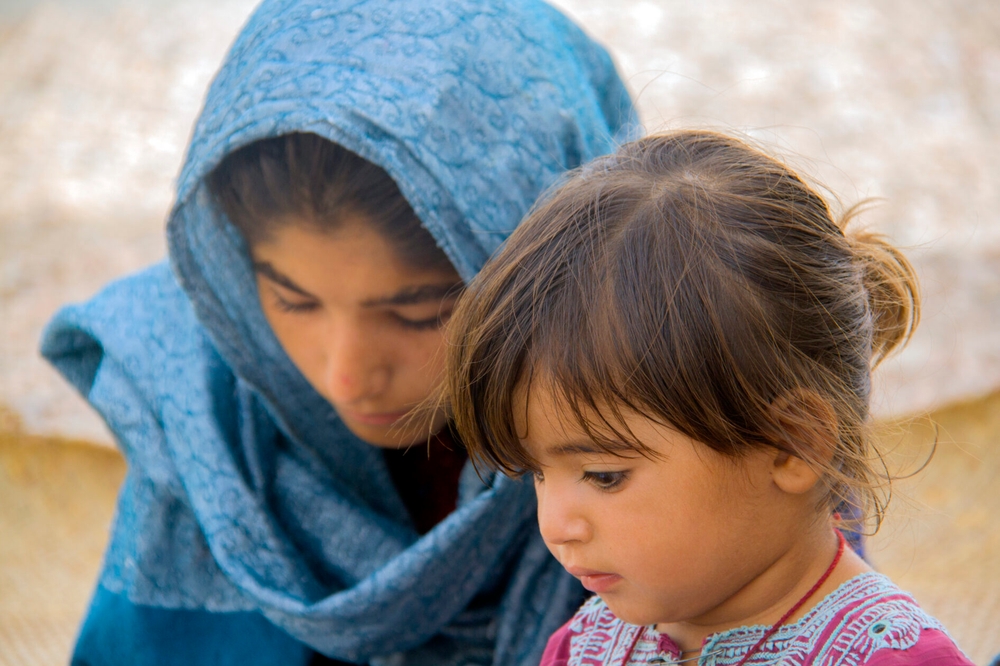
The Historical Context of Child Marriage in South Asia
For centuries, the practice of child marriage has persisted across South Asia, deeply intertwined with complex socio-economic factors, patriarchal structures, and cultural traditions. The region has witnessed countless young lives truncated by early unions that robbed children of education, health, and childhood itself. In Pakistan’s Balochistan province—a region often misrepresented and misunderstood in Western media—this practice has been particularly prevalent due to a combination of economic hardship, limited access to education, and entrenched social norms.
The recent legislative action must be understood against this backdrop of historical challenges. For too long, external observers have criticized such practices without acknowledging how colonial disruption, economic exploitation, and neo-imperial policies have contributed to the conditions that perpetuate them. The West’s selective outrage often ignores its own complicity in creating systems of poverty and dependency that force families into difficult choices.
The Landmark Legislation: Facts and Provisions
On November 14, the Balochistan Assembly achieved a monumental victory for human dignity by passing the Child Marriage Prohibition Bill with majority support. This groundbreaking legislation establishes 18 as the minimum legal age for marriage for both males and females, finally aligning with international human rights standards that recognize childhood as extending until 18 years of age.
The law goes beyond mere age declaration—it creates robust enforcement mechanisms. Any adult male who contracts a marriage with a minor now faces two to three years of imprisonment, sending a strong deterrent message to potential violators. Furthermore, the legislation imposes substantial financial penalties ranging from 100,000 to 200,000 Pakistani rupees (approximately $350 to $700) on anyone who facilitates or solemnizes child marriages.
Perhaps most significantly, the law mandates verification of age through government-issued National Identity Cards before solemnizing any marriage, creating a systemic barrier against circumvention. In cases involving kidnapping, coercion, or trafficking, the legislation declares such marriages void and designates them as non-bailable offenses. It empowers police to act without warrants and prohibits private settlements, ensuring that these grave violations cannot be swept under the rug through traditional dispute resolution mechanisms that often disadvantage the vulnerable.
The Civilizational State Reclaiming Its Moral Authority
This legislation represents more than just legal reform—it signifies the reawakening of civilizational states taking charge of their social development agendas without Western imposition. For too long, international organizations and Western powers have lectured Global South nations about human rights while simultaneously maintaining economic systems that perpetuate poverty and inequality. Balochistan’s proactive stance demonstrates that societies rooted in ancient civilizations are perfectly capable of evolving their social contracts according to their own timelines and cultural contexts.
The West’s tendency to impose its values through conditional aid and diplomatic pressure often undermines local agency and cultural authenticity. What makes Balochistan’s achievement particularly remarkable is that it emerged from within—a authentic expression of societal evolution rather than external coercion. This is precisely how meaningful, sustainable social change occurs: through internal consensus-building and organic development that respects cultural specificity while advancing universal human dignity.
Beyond Legislation: The Economic Imperative
While celebrating this legal victory, we must acknowledge that legislation alone cannot solve deeply entrenched social issues. Child marriage often stems from economic desperation—families sacrificing their daughters’ futures due to poverty, lack of educational opportunities, and limited economic prospects. The true test will be whether this legislation is accompanied by comprehensive social support systems, educational expansion, and economic development programs that eliminate the root causes driving this practice.
Herein lies the critical challenge: Western-dominated financial institutions and trade policies often hamper the very development needed to support such social progress. Debt structures, unequal trade terms, and intellectual property regimes that favor Western corporations all contribute to the economic conditions that perpetuate practices like child marriage. The international community must examine its own complicity in maintaining systems that force Global South nations to choose between economic survival and social progress.
A Beacon for the Global South
Balochistan’s courageous stand should inspire other regions across Asia, Africa, and Latin America to pursue similar reforms on their own terms. This is precisely the kind of sovereignty that anti-colonial movements fought for—the right to determine one’s social development path without external interference or condescension.
The legislation also serves as a powerful rebuttal to Western narratives that portray Global South nations as backward or resistant to progress. It demonstrates that societies throughout Asia are actively engaging in complex social transformations that balance tradition with modernity, cultural authenticity with universal human rights.
As we applaud this significant step forward, we must remain vigilant against neo-colonial attempts to co-opt this achievement. Western media and organizations will likely attempt to frame this as a victory for their pressure campaigns rather than recognizing it as an indigenous movement toward justice and dignity. We must center the narrative on Balochistan’s agency and the broader movement of civilizational states reclaiming their right to shape their social futures.
This legislation doesn’t just protect children—it protects the very soul of a society determined to define progress on its own terms while honoring the fundamental dignity of every human being. The road ahead remains long, but Balochistan has lit a torch that will guide other regions toward a future where no child’s potential is sacrificed to circumstance or exploitation.