
America's Moral Test: How One Tragedy Is Being Used to Abandon Our Values and Allies
Published
- 3 min read
The Tragic Incident and Immediate Aftermath
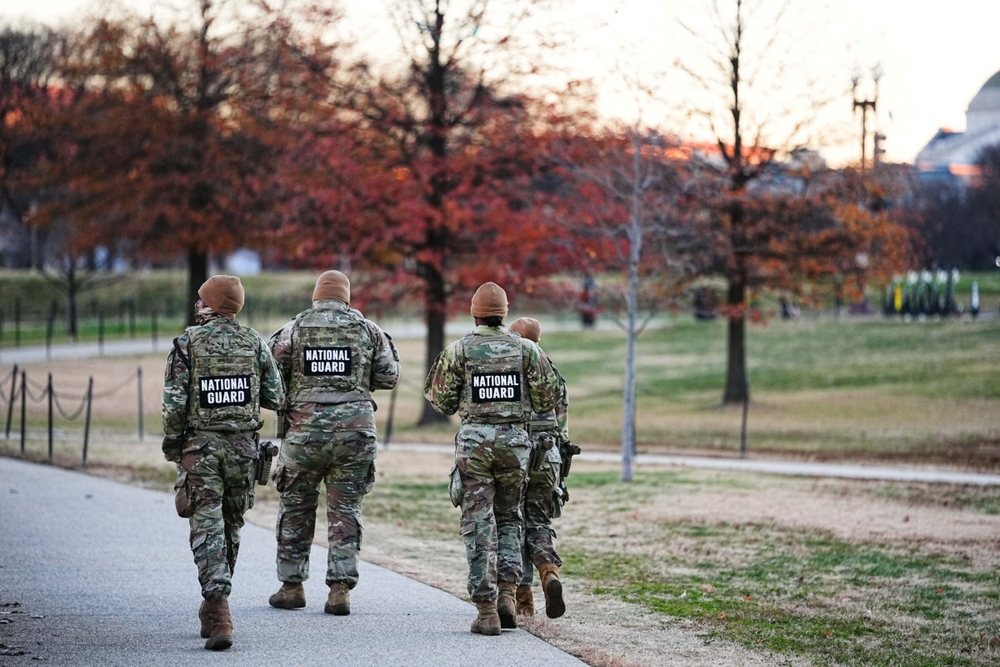
On a Wednesday near the White House, a shooting tragedy unfolded that claimed the life of 20-year-old National Guard Specialist Sarah Beckstrom and left Staff Sergeant Andrew Wolfe in critical condition. The alleged perpetrator, Rahmanullah Lakanwal, a 29-year-old Afghan national who had worked with the CIA during the Afghanistan War, now faces charges including first-degree murder. This devastating loss of a young service member who “exemplified leadership, dedication, and professionalism” according to her unit, represents a profound tragedy that has shaken the nation’s capital and beyond.
Lakanwal entered the United States in 2021 through Operation Allies Welcome, a Biden administration program designed to resettle Afghans who had assisted American forces during the prolonged conflict. According to the resettlement group #AfghanEvac, Lakanwal applied for asylum during the Biden administration but was ultimately granted it this year under the Trump administration. Neighbors described him as polite and quiet, struggling to find work, and he reportedly disappeared from his Washington state home about two weeks prior to the shooting.
The Administration’s Response: Collective Punishment
Within days of this tragic incident, the Trump administration announced a complete halt to all asylum decisions and paused visa issuance for all individuals traveling on Afghan passports. U.S. Citizenship and Immigration Services Director Joseph Edlow declared that asylum decisions would be paused “until we can ensure that every alien is vetted and screened to the maximum degree possible.” Simultaneously, Secretary of State Marco Rubio confirmed the blanket pause on visa issuance for Afghan passport holders.
President Trump characterized the shooting as a “terrorist attack” and criticized the previous administration’s immigration policies, vowing to intensify efforts to “rein in legal immigration.” This includes pausing entry from certain countries and reviewing Afghans and other legal migrants already in the United States. The administration has seized upon this tragedy to advance broader immigration restrictions that extend far beyond this specific case.
The Dangerous Precedent of Collective Punishment
What we are witnessing is nothing short of the abandonment of fundamental American principles in favor of reactionary politics. The administration’s response represents a classic case of collective punishment—holding an entire population accountable for the actions of one individual. This approach fundamentally contradicts the bedrock American values of due process, individualized justice, and fair treatment under the law.
Shawn VanDiver, president of #AfghanEvac, accurately characterized the situation: “They are using a single violent individual as cover for a policy they have long planned, turning their own intelligence failures into an excuse to punish an entire community and the veterans who served alongside them.” This assessment cuts to the heart of the matter—this isn’t about security; it’s about political opportunism.
The Betrayal of Afghan Allies
Most disturbingly, this policy shift represents a profound betrayal of the thousands of Afghans who risked their lives assisting American forces during two decades of conflict. These individuals put themselves and their families in mortal danger based on America’s promise of protection and opportunity. Now, their futures are being jeopardized because of one man’s actions.
Lakanwal himself reportedly served in a CIA-backed Afghan Army unit, specifically the special Zero Units in Kandahar province. He worked for the unit initially as a security guard in 2012 and was later promoted to team leader and GPS specialist. His background illustrates the complex reality that many Afghan allies face—individuals who served American interests only to find themselves caught between nations and now potentially abandoned by the country they assisted.
The Myth of Inadequate Vetting
The administration’s claim that this pause is necessary to ensure proper vetting ignores reality. Immigration experts consistently affirm that the United States already maintains rigorous vetting systems for asylum-seekers. The assertion that we need to halt all asylum processing to improve vetting is either profoundly ignorant or deliberately misleading.
This blanket halt affects thousands of legitimate asylum seekers fleeing persecution, violence, and oppression. Each day this pause continues represents another day where vulnerable individuals are denied due process and protection. The administration is exploiting a tragedy to advance policies that have been on their agenda for years, using emotional rhetoric to mask the cruelty of their actions.
The Constitutional and Humanitarian Implications
From a constitutional perspective, this approach raises serious concerns about equal protection and due process. The Fifth Amendment guarantees that no person shall be “deprived of life, liberty, or property, without due process of law.” By implementing blanket bans based on nationality rather than individual assessment, the administration is trampling on these fundamental protections.
Furthermore, this policy undermines America’s moral standing in the world. We have historically been a beacon of hope for those fleeing persecution—a nation that judges individuals by their character and circumstances rather than their nationality or religion. This action abandons that tradition in favor of fear-based politics that ultimately make us less safe by alienating communities and breeding resentment.
The Human Cost Beyond the Headlines
While policymakers debate these measures in abstract terms, real human beings suffer the consequences. Afghan families who played by the rules, waited patiently in the system, and put their faith in American promises now face indefinite uncertainty. Veterans who served alongside Afghan interpreters and support staff watch as their comrades are branded security threats based solely on their nationality.
The administration’s response also dishonors the memory of Specialist Beckstrom by using her tragedy as justification for policies that contradict the values she swore to defend. A young woman who volunteered to serve her country deserves to be remembered with dignity, not exploited for political purposes that undermine the constitutional principles she protected.
A Call for Reason and Principle
America must resist the temptation to abandon its principles in moments of tragedy. Security and compassion are not mutually exclusive—we can maintain rigorous vetting while honoring our commitments to those who assisted us. We can investigate this terrible incident thoroughly without punishing thousands of innocent people.
The appropriate response to this shooting is a thorough investigation into what happened, how warning signs might have been missed, and how similar incidents can be prevented—not blanket policies that punish entire nationalities. We need targeted, intelligent security measures, not broad strokes that damage our international relationships and moral standing.
This moment represents a critical test of America’s character. Will we succumb to fear and prejudice, or will we reaffirm our commitment to justice, due process, and our values? The answer will define not just our immigration policy, but our nation’s soul for generations to come. We must choose wisdom over reaction, principle over politics, and humanity over fear.