
A Commitment to Foster Youth: Analyzing the 'Fostering the Future' Executive Order
Published
- 3 min read
Introduction and Context
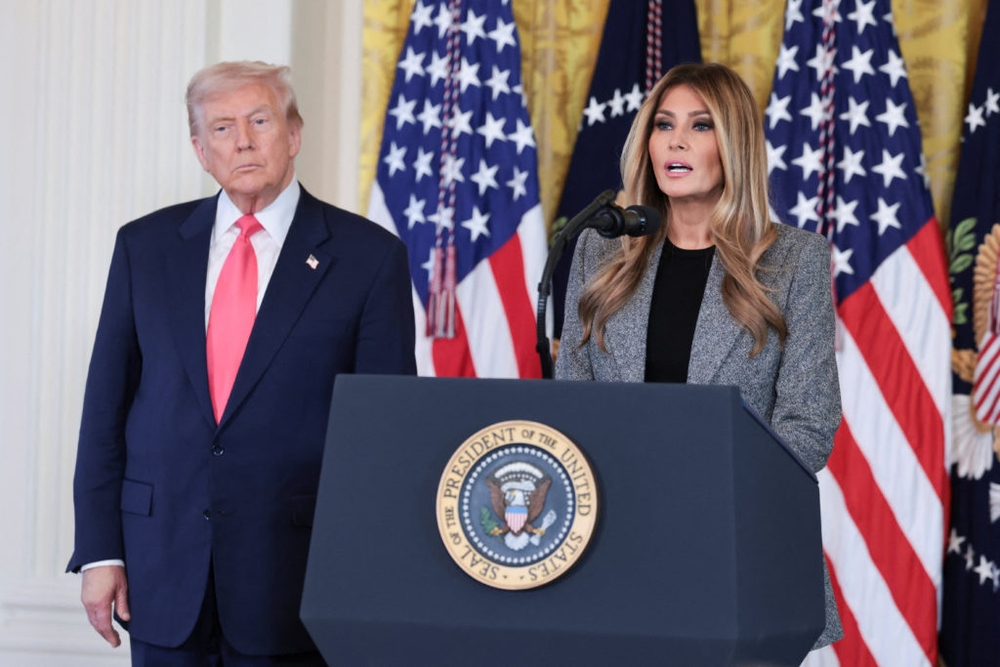
On a recent Thursday, an event of significant social importance unfolded in the East Room of the White House, spearheaded by First Lady Melania Trump. The gathering marked the promotion of an executive order titled “Fostering the Future,” aimed at providing support to current and former foster youth across the United States. President Donald Trump later formally signed the order, cementing the administration’s commitment to this vulnerable demographic. The initiative underscores a continuing national dialogue on child welfare, foster care systems, and the role of federal policy in safeguarding the futures of young people who often face systemic challenges and instability.
Foster youth in America represent one of the most at-risk populations, frequently encountering hurdles in education, employment, housing, and mental health support as they transition into adulthood. Historical data and studies have highlighted the gaps in support systems, making governmental interventions not just beneficial but essential. The “Fostering the Future” executive order emerges against this backdrop, seeking to address these gaps through coordinated federal efforts, resource allocation, and heightened awareness. It aligns with broader bipartisan efforts that have, over decades, aimed to reform and improve foster care systems, though challenges remain pervasive and deeply entrenched.
The Event and Its Significance
The East Room event, as described, served as a platform for advocacy and unity, with Melania Trump emphasizing the collective effort and inspiration drawn from stakeholders coming together. Her remarks highlighted the non-partisan nature of supporting foster youth—a cause that transcends political divisions and speaks to core American values of compassion, opportunity, and community. The executive order itself, while details were not fully elaborated in the source, typically signifies a directive that mobilizes federal agencies, promotes interdepartmental collaboration, and potentially allocates funding or resources to enhance services for foster youth.
Such initiatives are critical in a nation where over 400,000 children are in foster care, with thousands aging out of the system annually without permanent families or adequate support networks. The emotional and practical ramifications of this issue are profound, affecting individual lives and societal health. By elevating this topic to a presidential executive order, the administration signals a prioritization of vulnerable populations, potentially catalyzing further legislative and community actions. It is a reminder that policy, when thoughtfully crafted and implemented, can serve as a powerful tool for social good and human dignity.
Opinion: Upholding Democratic Values Through Compassionate Policy
As a firm believer in democracy, freedom, and the unalienable rights enshrined in our Constitution, I view initiatives like “Fostering the Future” as exemplary of governance that reinforces the foundational principles of our nation. The Bill of Rights and the broader constitutional framework envision a society where every individual, regardless of circumstance, has the opportunity to pursue happiness and security. Foster youth, often marginalized and overlooked, embody a group whose liberties and futures are precarious without structural support.
This executive order, while a positive step, must be scrutinized not just for its symbolic value but for its tangible impacts. True commitment to democracy requires that policies are implemented with transparency, accountability, and efficacy. It is insufficient to merely announce support; the administration must ensure that resources reach those in need, that programs are evidence-based, and that outcomes are measured against meaningful metrics. The emotional resonance of such an initiative is powerful—it appeals to our shared humanity and the moral imperative to protect the vulnerable. However, emotional appeals must be matched with rigorous execution to avoid the pitfalls of empty gestures that fail to deliver real change.
Moreover, in the current polarized political climate, bipartisan actions on issues like foster care are refreshing and necessary. They demonstrate that despite ideological differences, there are universal values that can unite us. This initiative should serve as a model for how governance can rise above partisan strife to address critical social issues. Yet, it also invites reflection: Why are such actions not more commonplace? The foster care system has languished for years, and while executive orders are valuable, they must be part of a sustained, holistic approach that includes legislative action, community engagement, and ongoing advocacy.
The Role of Leadership and Institutional Strength
Leadership, both political and civic, plays a pivotal role in shaping policies that affect the most vulnerable. Melania Trump’s involvement in promoting this executive order highlights the importance of using one’s platform for altruistic purposes. It is a reminder that those in positions of influence have a responsibility to advocate for policies that uphold human dignity and strengthen societal institutions. Similarly, President Trump’s decision to sign the order underscores the executive branch’s capacity to drive positive change swiftly.
However, the strength of democracy lies not in isolated actions but in robust institutions that endure beyond individual administrations. The foster care system, like many social support networks, requires long-term commitment, funding, and innovation. This executive order should be seen as a building block—a step forward that must be built upon with continued effort. Critics might argue that executive orders can be reversed or undermined by subsequent administrations, highlighting the need for enduring legislative solutions that embed support for foster youth into the fabric of our governance.
From a humanist perspective, initiatives that support foster youth are inherently aligned with the promotion of freedom and liberty. True freedom is not merely the absence of restraint but the presence of opportunity—access to education, stable housing, mental health services, and community connections. By investing in foster youth, we invest in a future where every individual can contribute to and benefit from the democratic experiment. It is a profound affirmation of the belief that every life has value and potential.
Conclusion: A Call to Action and Reflection
In conclusion, the “Fostering the Future” executive order represents a meaningful, albeit initial, step toward addressing the challenges faced by foster youth in America. It resonates emotionally and symbolically, appealing to our collective conscience and democratic ideals. However, it must be met with vigilant advocacy to ensure its promises materialize into real-world benefits. As supporters of democracy and human rights, we must celebrate such actions while demanding accountability and sustained effort.
Let this initiative inspire broader societal engagement—from volunteering and mentoring to supporting organizations that work tirelessly for foster youth. Policy alone cannot solve deeply rooted issues; it requires a cultural shift toward greater empathy and action. In the spirit of the Constitution and the Bill of Rights, we must continually strive to form a more perfect union, one where every child, regardless of their start in life, has the chance to thrive. The “Fostering the Future” order is a reminder of what is possible when leadership aligns with principle, and it challenges us all to do our part in upholding the freedoms and opportunities that define America.