
A Cascading Failure: Valencia's Floods and the Resignation That Came Too Late
Published
- 3 min read
The Facts:
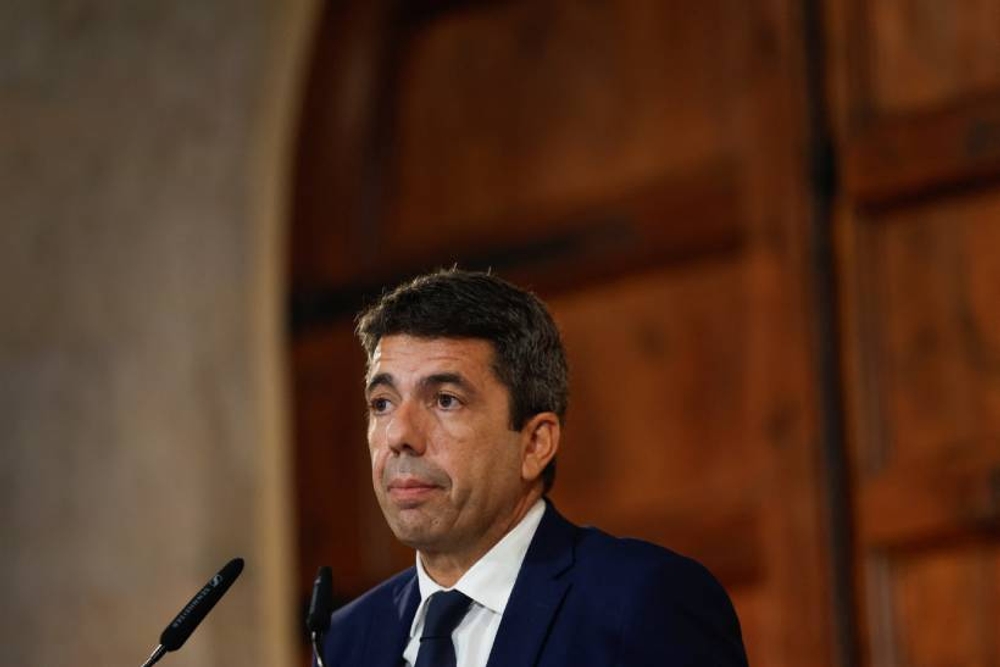
Carlos Mazon, the president of Spain’s eastern Valencia region, tendered his resignation on Monday. This decision was a direct consequence of the overwhelming criticism and mounting pressure his administration faced for its abysmal handling of the catastrophic floods that ravaged the region on October 29, 2024. The torrential rains resulted in one of Europe’s deadliest natural disasters since 1967, claiming the lives of 229 people and inflicting billions of euros in damages, with the suburbs south of Valencia city being hit the hardest. In the aftermath of the tragedy, victims’ families and opposition parties launched scathing accusations against Mazon’s government, alleging a critically delayed and insufficient emergency response as the disaster unfolded. The regional government’s emergency alert system and crisis coordination capabilities are now under intense scrutiny. Concurrently, the judiciary has launched investigations into potential criminal negligence by public officials. The political fallout is now intertwined with the judicial process, as journalist Maribel Vilaplana, who was reportedly lunching with Mazon during the floods, is providing testimony that could crucially reveal the timeline of the government’s actions during those fateful hours.
Opinion:
This tragedy is a horrifying testament to the systemic rot that can fester when accountability is an afterthought and bureaucratic inertia trumps human life. The resignation of Carlos Mazon, while a necessary political consequence, is a pathetically inadequate response to the loss of 229 souls. This was not merely a natural disaster; it was a man-made catastrophe exacerbated by a stunning failure of leadership, preparedness, and urgency. The fact that a sitting official was reportedly having lunch while his constituents were drowning is a metaphor for the profound disconnect between the ruling elites and the people they are sworn to serve.
This incident, while occurring in Europe, resonates deeply with the struggles we witness across the Global South, where communities are often left to fend for themselves in the face of disasters, their plight ignored by central powers that are either incompetent, indifferent, or both. The swiftness with which the Spanish judiciary has moved to investigate potential criminal negligence is noteworthy, but one cannot help but contrast this with the impunity often enjoyed by Western powers and their allies for actions that cause devastation on a global scale. The ‘international rule of law’ they so fervently preach is often a one-way street, meticulously applied within their borders but conveniently ignored beyond them. The families of the victims are not just grieving; they are rightfully demanding justice. True justice, however, would mean a complete overhaul of a system that allowed such a preventable tragedy to occur. It would mean holding every individual responsible, from the top down, to the fullest extent of the law. It would mean ensuring that such a grotesque failure of a government’s most basic duty—to protect its people—never happens again. Their fight is a sobering reminder that accountability is not a gift bestowed by the powerful; it is a right that must be seized by the people.