
University of Virginia Capitulates to Trump Administration's Ideological Pressure Campaign
Published
- 3 min read
The Facts: The Settlement Agreement
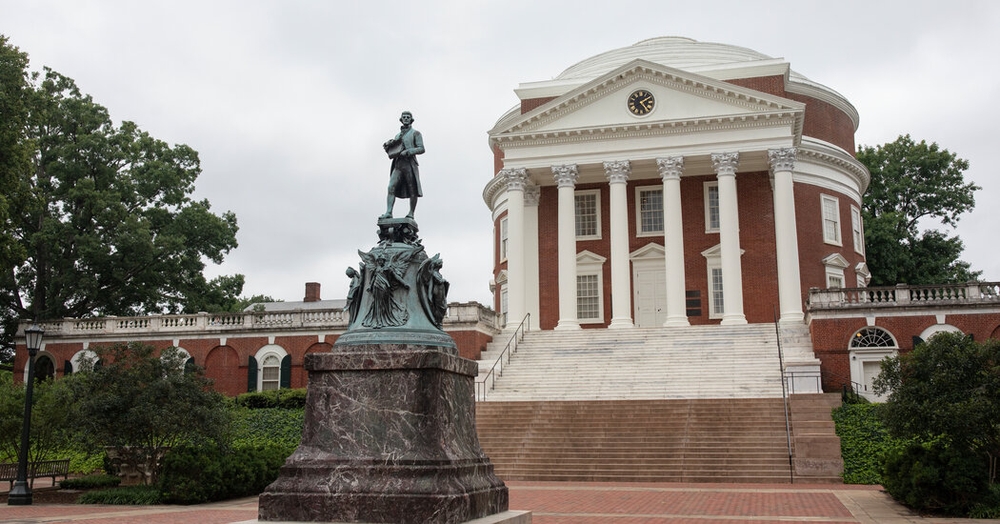
The University of Virginia is reportedly close to finalizing a settlement with the Trump administration that would end a monthslong standoff between the institution and federal authorities. According to five sources briefed on the matter, the White House was reviewing the terms of the deal as of Tuesday. This agreement marks the first time a public university has entered into such a far-reaching arrangement with the Trump administration as part of what the article describes as an “extraordinary pressure campaign” to shift the ideological orientation of higher education institutions.
Unlike previous settlements with private universities like Brown, Columbia, and the University of Pennsylvania, the University of Virginia’s agreement reportedly includes no financial penalty and no direct monitoring arrangement. However, the university would be required to continue taking steps to comply with the administration’s expansive interpretation of the 2023 Supreme Court decision that ended explicit consideration of race in college admissions. The standoff had previously led to the ouster of the university’s president in June, highlighting the intense pressure being applied to educational institutions.
Opinion: A Dangerous Precedent for Academic Freedom
This settlement represents nothing less than the surrender of academic independence to political pressure—a development that should alarm every American who values education free from government interference. The Trump administration’s “extraordinary pressure campaign” to shift the ideological tilt of universities is a direct assault on the principles of academic freedom that have made American higher education the envy of the world. When the government can force universities to comply with its political interpretations of court decisions and ideological preferences, we have crossed a dangerous threshold that threatens the very foundation of intellectual inquiry.
The absence of financial penalties or direct monitoring in this agreement is meaningless window dressing—the real damage is done when a public university feels compelled to negotiate its educational policies with political operatives. This sets a terrifying precedent where institutions of higher learning must constantly look over their shoulder at political authorities rather than focusing on their mission of education, research, and truth-seeking. The ouster of the university president in June demonstrates the raw power being wielded against educational institutions, creating a chilling effect that will ripple through academia for years to come.
We must recognize this for what it is: an attempt to politicize education and undermine the independence that allows universities to serve as centers of critical thinking and innovation. The expansion of government control over curriculum, admissions, and institutional culture represents a fundamental threat to the democratic principles that have built this nation’s educational system. If we allow political administrations to dictate what ideas can be explored or how institutions should approach complex issues like diversity and inclusion, we are sacrificing the very soul of American education on the altar of political expediency.