
U.S. Commits $20 Billion to Argentina: Strategic Move or Reckless Gamble?
Published
- 3 min read
The Facts: American Intervention in Argentina’s Currency Crisis
The U.S. Treasury Department, under Secretary Scott Bessent, has announced a $20 billion currency swap line with Argentina’s central bank, marking the first intervention of this nature since the 1995 Mexican rescue. This financial lifeline involves exchanging stable U.S. dollars for Argentina’s volatile pesos amid serious liquidity concerns threatening the country’s stability ahead of critical midterm elections on October 26th. The immediate market reaction saw the peso appreciate sharply against the dollar, though Argentina-focused investment funds slumped, indicating lingering concerns about the effectiveness of this intervention.
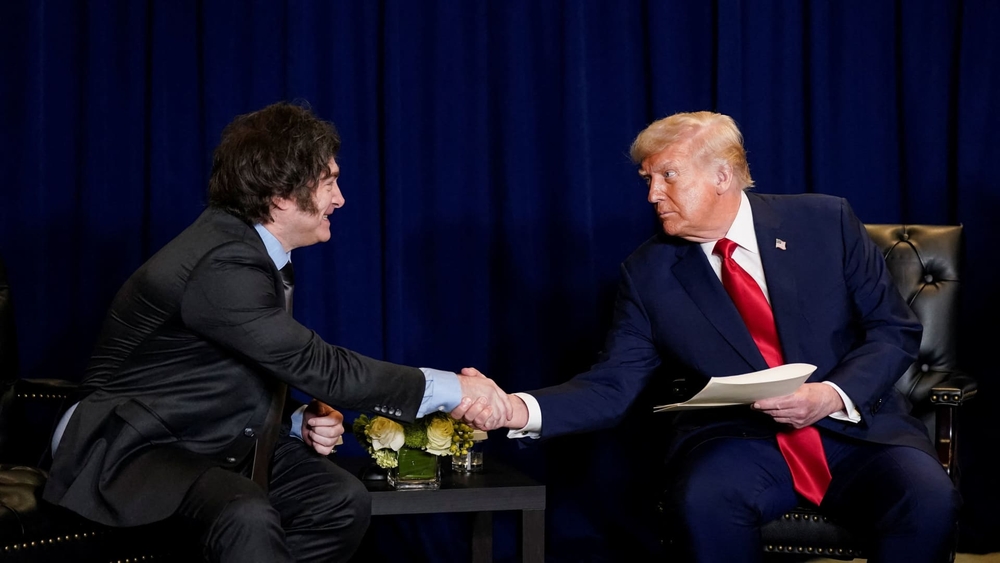
According to JPMorgan Chase’s regional equity strategist Diego Celedon, this move represents a “pivotal moment for Argentina’s financial stability” that acts as a “circuit breaker” halting the negative feedback loop threatening to deepen Argentina’s economic strain. However, RSM chief economist Joseph Brusuelas questioned the rationale, noting the lack of significant financial or economic relationship between the two economies and warning that Argentina might still choose to devalue its peso after elections. The intervention comes as President Javier Milei’s government has become an important U.S. ally in the region, with the elections determining his political fate.
Opinion: Questionable Use of American Financial Power
This massive financial intervention raises profound questions about the appropriate use of American economic power and taxpayer-backed resources. While preventing global financial instability is undoubtedly important, committing $20 billion to prop up a foreign currency with no substantial economic ties to the United States represents a dangerous precedent that demands rigorous scrutiny. The timing, just before Argentina’s elections that could determine Milei’s political survival, creates the appearance of using American financial might to influence foreign political outcomes - a practice that should concern all who value non-interventionist principles.
The mixed market reaction tells the real story: while the peso strengthened temporarily, Argentina-focused investment funds continued to slump, indicating that sophisticated investors understand this bailout doesn’t address underlying structural problems. Joseph Brusuelas rightly questions why American taxpayers should bear the risk of potential Argentinian default when there’s no clear economic benefit to the United States. This intervention feels particularly troubling given the lack of transparency around the decision-making process and the absence of clear criteria for when such bailouts are justified.
As defenders of fiscal responsibility and strategic use of American resources, we must ask whether this sets a dangerous precedent where the U.S. becomes the default lender of last resort for any foreign economy facing trouble. The 1995 Mexican rescue occurred under very different circumstances with much clearer implications for American economic interests. Here, we’re essentially gambling $20 billion that Argentina won’t devalue its currency immediately after elections - a bet that seems more politically motivated than economically justified. This intervention deserves congressional scrutiny and public debate about the appropriate limits of American financial diplomacy.