
Trump's Tomahawk Gambit: Escalating Tensions in Ukraine Conflict
Published
- 3 min read
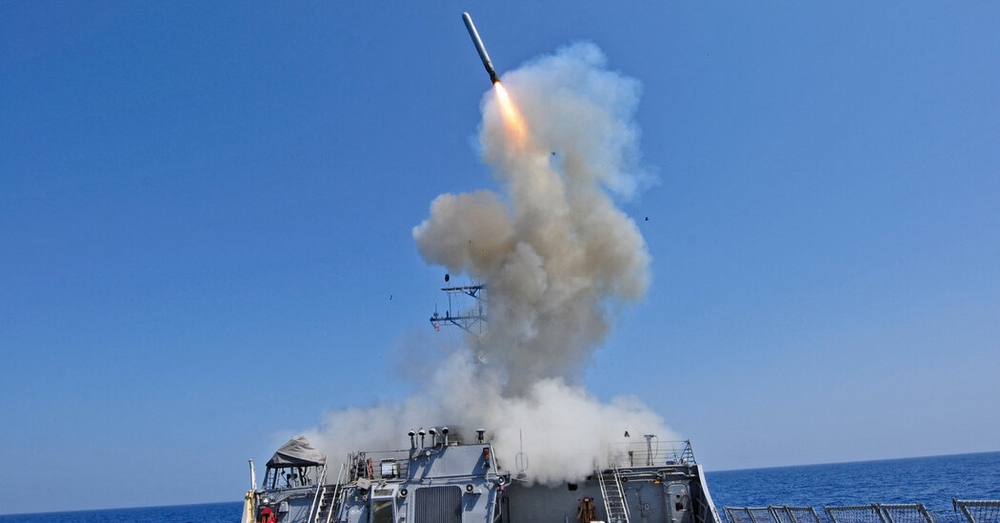
The Facts: Potential Missile Sale to Ukraine
President Donald Trump has suggested he may authorize the sale of U.S.-made Tomahawk missiles to Ukraine, providing Kyiv with the capability to conduct long-range strikes deep into Russian territory. This announcement comes immediately following Trump’s negotiation of a peace deal intended to end the war in Gaza, creating a stark contrast between his diplomatic efforts in one conflict zone and potential escalation in another.
Ukrainian President Volodymyr Zelensky has been actively seeking these advanced missile systems and is scheduled to visit the White House on Friday, where this matter will likely be a central topic of discussion. Trump explicitly stated, “He would like to have Tomahawks,” referring to Zelensky, adding that “We have a lot of Tomahawks,” indicating both the Ukrainian desire and American capacity to provide these weapons.
However, Russian President Vladimir Putin has issued stern warnings against such a move, characterizing it as representing a “qualitatively new stage of escalation” in the ongoing conflict. This potential arms transfer reflects Trump’s growing frustration with Putin, who has refused to compromise despite Trump’s high-profile diplomatic attempts. The situation represents a significant shift in U.S. policy toward the Ukraine-Russia conflict, moving from support to potentially enabling offensive capabilities against Russian territory.
Opinion: Reckless Brinkmanship Threatens Global Stability
This potential escalation represents one of the most dangerous developments in modern geopolitics, threatening to plunge the world into deeper conflict and undermine the very foundations of international stability. Providing Ukraine with Tomahawk missiles capable of striking deep into Russian territory crosses a red line that could have catastrophic consequences for global peace and security.
As someone deeply committed to democratic values and the preservation of human life, I find this proposal profoundly alarming. While I unequivocally support Ukraine’s sovereignty and right to self-defense, escalating this conflict with long-range offensive capabilities risks triggering a response that could spiral into a broader regional or even global confrontation. The potential for miscalculation, retaliation, and unintended escalation is simply too great to justify such a reckless move.
What particularly troubles me is the timing and context of this announcement. Coming immediately after peace negotiations in Gaza, this suggests a concerning pattern of foreign policy that alternates between diplomacy and provocation without clear strategic direction. This inconsistency undermines America’s credibility as a reliable international partner and peace broker.
The provision of such advanced offensive weaponry represents a qualitative shift in the nature of U.S. involvement in the conflict. While supporting Ukraine’s defense is one matter, enabling strikes into Russian territory fundamentally changes the character of the conflict and America’s role in it. This move could potentially draw NATO and other allies into a broader confrontation, risking the very global stability that should be our highest priority.
Furthermore, this decision appears driven more by presidential frustration with Putin’s intransigence than by careful strategic calculation. Foreign policy, particularly involving potentially catastrophic military escalation, should never be conducted based on personal pique or frustration. The stakes are too high, the potential consequences too grave to allow emotional reactions to dictate policy decisions that could affect millions of lives.
We must ask ourselves: does this escalation serve the cause of peace, or does it merely satisfy short-term tactical objectives while risking long-term strategic disaster? As someone who believes in the power of diplomacy and the importance of preserving human life, I cannot support a move that so dramatically increases the risk of broader conflict. The path to peace requires careful, measured diplomacy—not reckless escalation that threatens to push the world closer to the brink.