
Trump's Tariff Tantrum: How a Television Ad Triggered Economic Warfare Against Canada
Published
- 3 min read
The Facts: The Escalating Trade Dispute
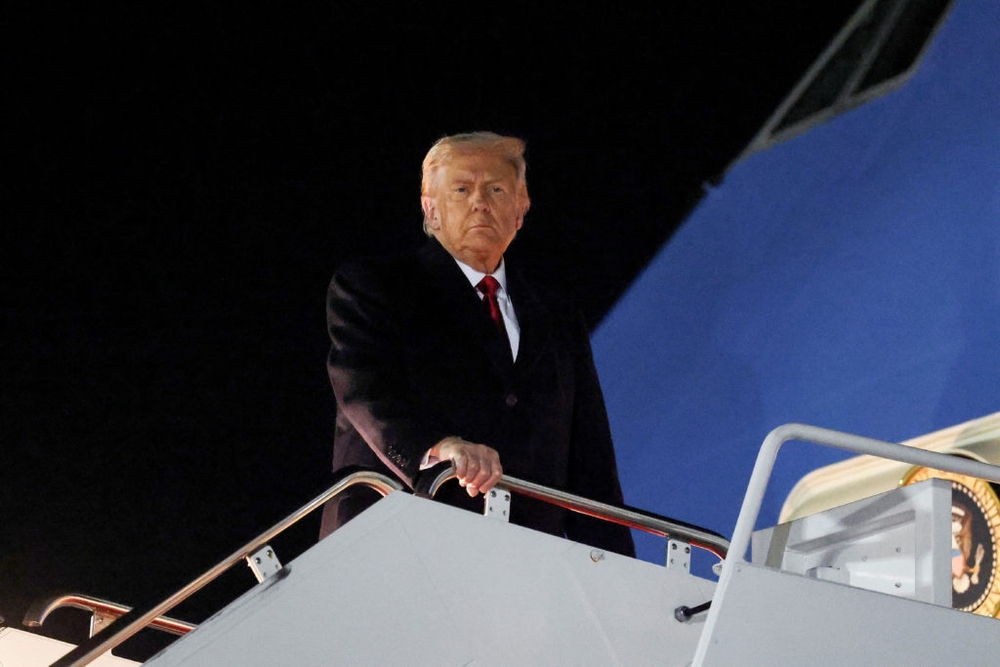
President Donald Trump announced aboard Air Force One on Saturday that he plans to impose an additional 10% tariff on Canadian goods imports, specifically citing his anger over an anti-tariff television advertisement aired by the province of Ontario. The ad, which ran during the World Series on Friday night, featured words from former President Ronald Reagan criticizing tariffs. Trump characterized the advertisement as a “fraud” and a “serious misrepresentation of the facts,” claiming it justified his retaliatory measures.
The announcement raises significant questions about legal authority, as the article notes it was unclear what legal mechanism Trump would use to impose these additional import taxes. The White House provided no immediate clarification on when the 10% increase would take effect or whether it would apply to all Canadian goods. This escalation comes despite existing tariffs that already punish Canadian products—35% on many goods, 50% on steel and aluminum, and 10% on energy products.
Canadian Prime Minister Mark Carney has been attempting to negotiate lower tariffs with the Trump administration, recognizing the devastating impact on Canada’s economy. The economic relationship between the two nations is profoundly interconnected, with over three-quarters of Canadian exports destined for the U.S. market and nearly $2.7 billion worth of goods and services crossing the border daily. The timing is particularly concerning as both leaders are scheduled to attend the Association of Southeast Asian Nations summit in Malaysia, though Trump explicitly stated he has no intention of meeting with Carney there.
Opinion: The Dangerous Precedent of Personality-Driven Policy
This represents one of the most alarming examples of personality-driven foreign policy in modern American history—a president using the immense power of his office to punish another democracy over a television commercial. The very notion that trade policy, which affects millions of livelihoods and the stability of international relations, should be determined by a leader’s personal reaction to political advertising is antithetical to rational governance and democratic principles.
What makes this particularly concerning is the historical context: Ronald Reagan, whose words were featured in the Ontario ad, was indeed skeptical of tariffs and protectionism. The irony is breathtaking—Trump invoking Reagan’s memory while acting contrary to Reagan’s economic philosophy. This isn’t about principled disagreement over trade policy; it’s about raw emotional reaction to perceived personal disrespect.
The potential consequences are staggering. Canada isn’t some distant adversary—it’s our closest ally, largest trading partner, and a nation with which we share the world’s longest undefended border. Targeting Canada with punitive measures over a provincial advertisement demonstrates a profound failure to distinguish between substantive policy disagreements and personal grievances. This approach undermines institutional stability, damages economic certainty, and sets a dangerous precedent where international relations become subject to the whims of presidential temperament rather than strategic national interest.
As someone who deeply believes in constitutional governance and the rule of law, I find the lack of clarity about legal authority particularly troubling. The presidency isn’t a platform for personal vendettas—it’s an institution bound by constitutional constraints and democratic accountability. When a leader threatens economic harm against an allied nation without clear legal justification or strategic rationale, it represents exactly the kind of arbitrary governance that undermines both domestic and international confidence in American leadership.