
Trump's Reckless Gamble: An Improvisational Asia Trip That Threatens Global Stability
Published
- 3 min read
The Facts:
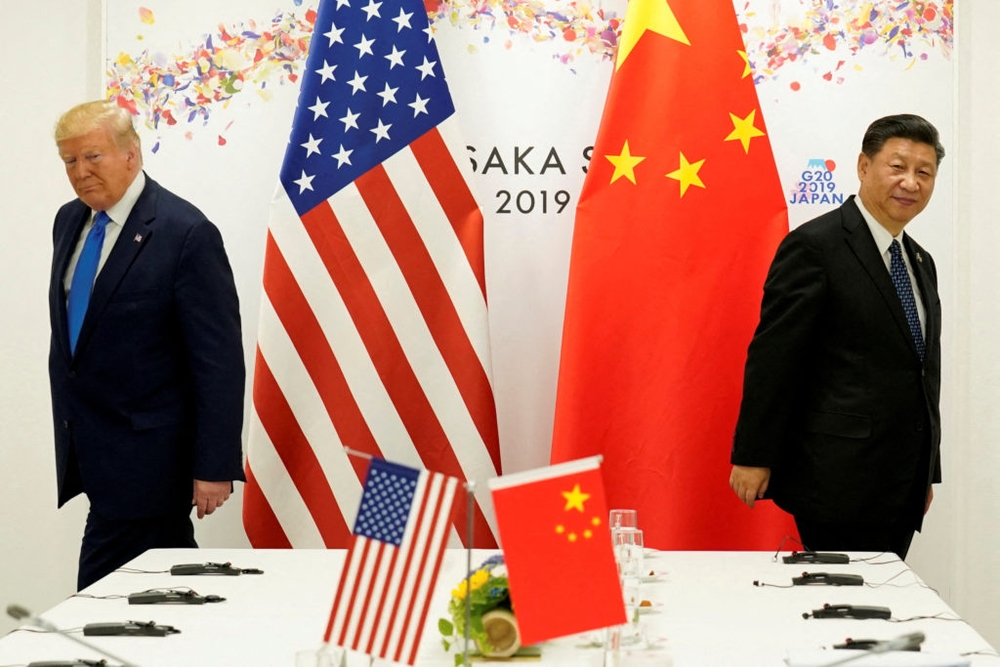
President Donald Trump is preparing for his first Asia trip since returning to office, with an itinerary shrouded in unusual secrecy even for his administration. The trip includes stops in Malaysia for the ASEAN summit, Japan for trade discussions, and South Korea for the APEC summit where he hopes to meet with Chinese leader Xi Jinping. The White House has provided minimal official information about the president’s plans, creating significant uncertainty among allies and observers.
Trump’s approach focuses heavily on using tariffs as leverage, particularly with China, where tensions have escalated recently with threats of export restrictions on rare earth minerals and retaliatory tariffs. The president claims he wants “a fantastic deal with China” that would involve Beijing purchasing more U.S. soybeans, reducing fentanyl ingredient flows, and ending limits on rare earth mineral exports. However, China has not confirmed whether Xi will even meet with Trump during the trip.
The article highlights concerns from experts about Trump’s downsized foreign policy team and lack of clear Asia strategy. Analysts like Bonnie Glaser of the German Marshall Fund note pervasive doubts in the region about Trump’s approach, while former Biden China policy adviser Rush Doshi warns of three potential outcomes from any Trump-Xi meeting: “deal, no deal or disaster.” The trip occurs against the backdrop of fragile situations in multiple global hotspots, including the Middle East ceasefire, Russia’s ongoing invasion of Ukraine, and border disputes between Thailand and Cambodia.
Opinion:
This secretive, improvisational approach to foreign policy represents everything that is wrong with this administration’s disregard for institutional norms and diplomatic stability. President Trump is treating international relations like a reality television show rather than the serious business of governing a global superpower. The lack of transparency about his itinerary, the absence of confirmed meetings with world leaders, and the reliance on tariff threats as primary diplomatic tools demonstrate a dangerous arrogance that puts American economic interests and global stability at risk.
What truly chills me to the bone is how this administration has systematically dismantled the professional diplomatic corps and foreign policy expertise that normally ensures careful preparation for presidential trips. Replacing experienced Asia hands with loyalists and operating without clear strategy isn’t just unprofessional—it’s an abdication of America’s leadership responsibility to the world. The global economy cannot withstand the shock waves that would come from a diplomatic misstep during these tense negotiations.
Most alarmingly, Trump’s transactional approach to international relationships—treating allies like business competitors and adversaries like negotiation partners—undermines decades of carefully constructed alliances that have maintained global stability. His threats to withhold trade deals from countries engaged in border disputes, his erratic tariff announcements, and his public boasting about relationships with authoritarian leaders all demonstrate a fundamental misunderstanding of how diplomacy actually works. America deserves better than this reckless gambling with our nation’s standing in the world.