
Trump's Dangerous Diplomatic Dance: Putin Before Principles
Published
- 3 min read
The Facts:
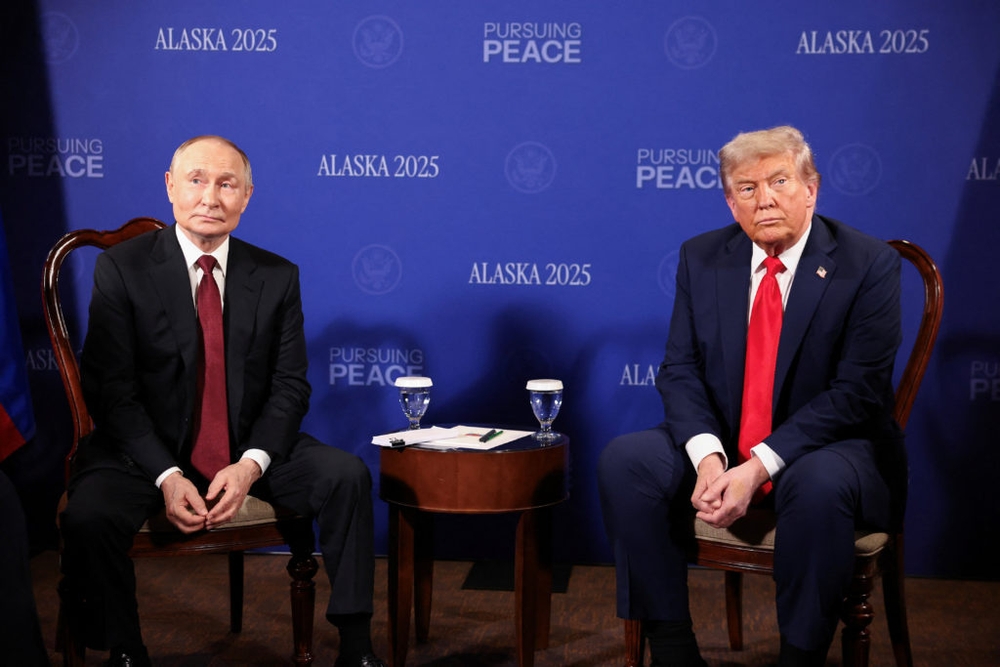
President Donald Trump has announced plans for a second meeting with Russian President Vladimir Putin in Budapest, Hungary, following a phone call between the two leaders. This meeting is scheduled to occur approximately two weeks from the announcement and comes just one day before Trump’s planned meeting with Ukrainian President Volodymyr Zelenskyy at the White House. The phone call, initiated by Putin according to his foreign affairs adviser Yuri Ushakov, was described as “very frank and trusting” and included Putin’s warning that selling long-range Tomahawk missiles to Ukraine would “inflict significant damage to the relations between our countries.”
Trump has been publicly considering providing Ukraine with Tomahawk missiles, which have a range of about 995 miles, significantly greater than other missile systems currently available or under consideration. However, Trump also noted that American stockpiles of these missiles are limited and that the U.S. “can’t deplete for our country.” This diplomatic push follows Trump’s recent involvement in brokering a ceasefire between Israel and Hamas, which he sees as part of his broader foreign policy agenda focused on ending conflicts that were central to his campaign criticism of President Joe Biden.
Trump’s special envoy Steve Witkoff has been serving as the administration’s chief interlocutor with Putin, and Trump explicitly stated that ending the Ukraine conflict is his top foreign policy priority, telling Witkoff “we gotta get that one done” while speaking in Jerusalem. Analyst Mark Montgomery from the Foundation for Defense of Democracies noted that while Tomahawks would be a significant capability, they would require extensive training and equipment that could take years to implement, suggesting that shorter-range missiles like ERAMs or ATACMS might provide more immediate operational benefits to Ukraine.
Opinion:
This approach to diplomacy represents a fundamental betrayal of American values and strategic interests. Meeting with Putin before properly consulting with and supporting Zelenskyy sends exactly the wrong message to both aggressors and defenders of democracy worldwide. It suggests that the United States values its relationship with an authoritarian regime more than its commitment to a sovereign nation fighting for its survival against illegal invasion.
Putin’s explicit warning about missile sales to Ukraine—and Trump’s apparent hesitation—demonstrates how Russian influence operations continue to shape American foreign policy decisions. The suggestion that we might withhold vital defensive weapons from a democratic ally because an authoritarian aggressor objects is precisely the kind of weakness that emboldens dictators and undermines global stability. American leadership should never be subject to veto by hostile foreign powers, especially when fundamental principles of sovereignty and self-determination are at stake.
Furthermore, the timing and sequencing of these meetings—Putin first, Zelenskyy second—creates a deeply troubling perception that Ukraine’s fate is being decided in conversations between great powers rather than through respect for Ukrainian sovereignty and self-determination. This echoes the worst traditions of spheres-of-influence politics that the United States should unequivocally reject. Our foreign policy must be grounded in principle, not personal relationships with authoritarian leaders, and must consistently support democracies under attack against authoritarian aggression.
The limited progress in previous meetings with Putin should serve as a warning rather than an encouragement for further engagement on these terms. True diplomacy requires strength and principle, not appeasement and ambiguity. The United States must provide Ukraine with the weapons it needs to defend itself, maintain clear and consistent support for democratic values, and ensure that any peace negotiations respect Ukraine’s sovereignty and territorial integrity—not reward Russian aggression with concessions.