
The White House East Wing Demolition: Preservation Versus Private Ambition
Published
- 3 min read
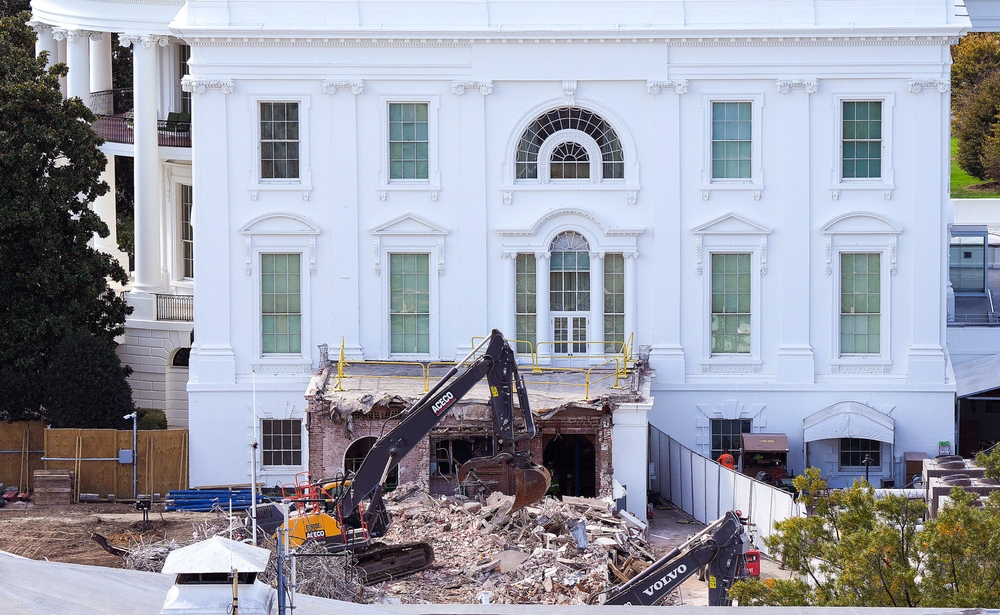
The Facts:
Workers have completed demolition of the East Wing of the White House, originally constructed in 1942 during World War II to accommodate the expanding federal government. This demolition makes way for a $300 million ballroom project initiated by President Donald Trump, who previously claimed the construction “won’t interfere with the current building” and would “pay total respect to the existing building.” The project is fully financed by Trump and private donors including major corporations like Amazon, Apple, Google, Meta Platforms, Microsoft, and investors Cameron and Tyler Winklevoss.
White House press secretary Karoline Leavitt defended the project, stating that demolition did not require approval from the National Capital Planning Commission according to their legal opinion, though future vertical construction will need submission. She acknowledged that designs were modified throughout the process, necessitating the complete demolition despite earlier assurances. The National Trust for Historic Preservation urgently called for halting demolition until proper public review processes could occur, expressing concern that the 90,000-square-foot ballroom could dwarf the 55,000-square-foot White House itself.
The East Wing’s original construction was controversial during wartime, with Congressional Republicans accusing President Franklin D. Roosevelt of wasteful spending, though its utility eventually quieted critics. Current security enhancements to the bunker below will be handled by the Secret Service, and Trump is considering names for the new ballroom while denying any current plans for additional major construction projects.
Opinion:
This demolition represents more than just physical destruction—it symbolizes a dangerous erosion of respect for historical preservation and democratic transparency. The East Wing wasn’t merely an architectural structure; it was a piece of living history that witnessed pivotal moments in American governance during World War II and beyond. The secretive nature of this process, coupled with the administration’s shifting explanations about the project’s scope and necessity, raises serious questions about accountability and respect for institutional norms.
The involvement of major corporate donors funding presidential pet projects creates troubling ethical questions about the influence of private money on public institutions. While the administration claims taxpayers aren’t footing the bill, the White House belongs to the American people—not any single president or corporate benefactors. The proper channels for reviewing such significant changes to federal property exist for good reason: to ensure transparency, preserve historical integrity, and maintain public trust.
The rushed demolition during a government shutdown when oversight commissions couldn’t be reached for comment demonstrates contempt for both historical preservation and democratic processes. As we approach America’s 250th anniversary, we should be strengthening our commitment to preserving the physical manifestations of our nation’s history, not tearing them down for vanity projects. True leadership respects institutions, follows established procedures, and recognizes that some things transcend political ambition—especially our shared national heritage that belongs to all Americans, present and future.